Subscribe to updates
You'll receive weekly summaries about Hertfordshire Council every week.
If you have any requests or comments please let us know at community@opencouncil.network. We can also provide custom updates on particular topics across councils.
Environment, Transport & Growth Cabinet Panel - Tuesday, 10 June 2025 2.00 pm
June 10, 2025 Environment, Transport & Growth Cabinet Panel View on council websiteSummary
Open Council Network is an independent organisation. We report on Hertfordshire and are not the council. About us
The Environment, Transport and Growth Cabinet Panel met to discuss demand management at Hertfordshire's household waste and recycling centres (HWRCs). The panel agreed to recommend that officers set out a range of alternative proposals for managing demand at the centres for consideration via a public consultation exercise. These proposals will explore options beyond those initially suggested in the integrated plan.
Demand Management at Recycling Centres
The panel discussed a report on demand management at the county's Household Waste Recycling Centres (HWRCs), also known as recycling centres. The report highlighted several challenges, including increasing waste volumes, abuse of the centres by businesses, capacity issues, and abuse of staff.
Matt King, an officer of the council, presented the report, noting that the 16 recycling centres across Hertfordshire manage around 85,000 tonnes of waste annually, with almost two million visits. These centres separate up to 28 different materials for recycling, recovery, or reuse. The most significant challenge is maintaining frontline staffing due to high turnover, sickness, and reliance on temporary agency staff.
The report indicated a steady increase in waste volumes since 2022, with the highest volumes experienced in 2024-2025. It also noted that waste created by businesses is not household waste, but there is considerable abuse of the recycling centres by local traders seeking to dispose of their waste free of charge. The council operates a van permit system to combat this, with approximately 12,000 checks issued in the first quarter of the year.
Mr King also noted that staff are experiencing increasing levels of abuse, with a recent survey indicating that 32% of frontline staff have experienced abuse. However, recent tours of the centres suggest this figure may be closer to 100%.
The report also detailed demand management systems used by neighbouring local authorities, including limits on waste types, charges for disposal, and permit or booking systems. Hertfordshire is an outlier in not having such a system.
Two proposals in the council's current integrated plan and budget for 2025-26 and 2026-27 were to reduce four of the 16 recycling centres from seven-day to five-day operation and to implement a demand management system requiring residents to book visits. These proposals were to be subject to public consultation.
Questions and Concerns Raised
- Booking System Accessibility: Councillor Alistair Willoughby, Deputy Leader, Labour Group; Vice-Chairmen of Scrutiny Committee, asked about provisions for residents without internet access or tech skills. Mr King responded that customer service centres could facilitate bookings by phone.
- Fly-tipping: Councillor Willoughby also raised concerns about reduced opening hours leading to increased fly-tipping[^1]. Mr King stated that industry reports do not show a definitive link between demand management and fly-tipping, which is primarily household waste-related and often due to residents not checking the credentials of waste collectors. [^1]: Fly-tipping is the illegal dumping of waste. It can include anything from household waste to commercial waste.
- Cross-Border Waste: Councillor Eric Buckmaster noted that Hertfordshire's relatively well-located recycling centres attract waste from outside the county, including from London boroughs. He mentioned reciprocal arrangements with Essex and Cambridgeshire. He supported a booking system to manage waste and ensure the safety of staff, who have been impacted by toxic materials being brought to the centres.
- Cooperation with Neighbouring Authorities: Councillor Nigel Taylor, Chairman of Development Control Committee, asked about cooperation with other neighbouring authorities and the possibility of more cooperation. Mr King responded that discussions could be held with authorities like Buckinghamshire and Central Bedfordshire, but financial transactions and resource measurement would be required.
- Funding Inequality: Councillor Stuart Roberts raised concerns about Hertfordshire residents funding a service used by others and the unacceptable abuse of staff. He supported exploring a range of options for consultation.
- Impact on Reciprocal Arrangements: Councillor Willoughby questioned how closures and capacity limitations would affect reciprocal arrangements. Mr King explained that existing arrangements involve monitoring entry and that Cambridgeshire residents, for example, can apply for out-of-county permits.
- Staffing and Capacity: Councillor Ruth Brown, Deputy Executive member for Environment, Transport and Growth; Vice-Chairman Standards Committee, highlighted concerns about staff unhappiness and retention, questioning if this was the reason for the demand management system. She also asked about closures due to capacity issues versus staffing levels. Mr King attributed closures to last-minute sickness levels and said that flattening demand peaks could positively impact capacity.
- Financial Implications: Councillor Mark Pope asked about the financial importance of the proposals and whether alternative courses of action would need to save money. The Chairman, Councillor Paul Zukowskyj, Executive member for Environment, Transport and Growth, stated that the objective was to achieve the cost savings in the integrated plan, but the administration was open to flexibility in funding the service.
Decision
The panel voted against recommending a public consultation on the previously identified integrated plan proposals. Instead, the panel voted to recommend that officers set out a range of alternative proposals for consideration via a public consultation exercise.
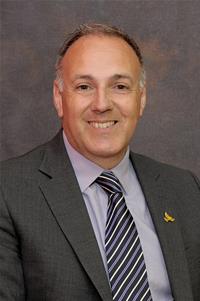
Attendees









Topics
No topics have been identified for this meeting yet.
Meeting Documents
Agenda
Reports Pack