Limited support for Rotherham
We do not currently provide detailed weekly summaries for Rotherham Council. Running the service is expensive, and we need to cover our costs.
You can still subscribe!
If you're a professional subscriber and need support for this council, get in touch with us at community@opencouncil.network and we can enable it for you.
If you're a resident, subscribe below and we'll start sending you updates when they're available. We're enabling councils rapidly across the UK in order of demand, so the more people who subscribe to your council, the sooner we'll be able to support it.
If you represent this council and would like to have it supported, please contact us at community@opencouncil.network.
Improving Places Select Commission - Tuesday 2 September 2025 1.30 p.m.
September 2, 2025 Improving Places Select Commission View on council websiteSummary
Open Council Network is an independent organisation. We report on Rotherham and are not the council. About us
The Improving Places Select Commission met to discuss the Housing Strategy 2025-2030, the Review of Selective Licensing 2020-2025 and the Plan for Neighbourhoods 2025-2035. The commission agreed to endorse the outline schedule of scrutiny work for the 2025-2026 municipal year.
Housing Strategy 2025-2030
The Improving Places Select Commission considered the contents of the Housing Strategy 2025-2030, ahead of it going to cabinet. The strategy has been developed following a 12-week consultation period with tenants and residents, officers and key stakeholders, combined with government policy, data and housing intelligence.
The Housing Strategy 2025-2030 sets out the council's strategic priorities for housing over the next five years, recognising key issues affecting housing in Rotherham and the impact these issues have on residents. It details how the council will work in partnership to address the issues identified and demonstrates alignment with other key council strategies and plans.
The strategy has four main priorities:
- Building high quality, sustainable and affordable new homes
- Improving the safety, quality and energy efficiency of homes
- Preventing homelessness and supporting residents to live independently
- Ensuring neighbourhoods are safe, happy, and thriving
The strategy aims to build on the achievements of the previous strategy, which delivered 304 homes for council rent and 37 for shared ownership, acquired 64 homes through the Housing Acquisitions Policy, and improved the thermal efficiency of 130 council homes in Maltby.
The strategy recognises the ongoing cost of living crisis, the need to meet new government housing targets, and the importance of addressing the climate crisis. It sets out actions to increase the number of new homes built in the borough, ensure a minimum of 25% of new homes are affordable housing, increase the number of council homes available, and ensure all council new build homes are zero-carbon ready and acquisitions are a minimum [EPC^1] C when let.
The strategy also addresses fuel poverty, the Social Housing Regulation Act, and the Renter's Rights Bill. It sets out actions to increase tenant satisfaction, improve the Decent Homes Standard, increase the number of private sector landlord actions addressing Category 1 and 2 hazards, and reduce the percentage of households living in fuel poverty in Rotherham.
The strategy also aims to prevent homelessness, reduce the use of hotels as emergency accommodation, increase the number of affordable homes built in Rotherham that meet a specialist need, and enable more residents to benefit from adaptations to their homes, within smaller waiting times.
Finally, the strategy aims to reduce the number of long-term empty homes, increase the percentage of council tenants satisfied that the council makes a positive contribution to neighbourhoods, and increase the percentage of tenants satisfied with the council's approach to handling anti-social behaviour.
A draft action plan will be developed to monitor progress against the strategy across the five-year period. The Improving Places Select Commission will have the opportunity to shape the action plan in October, prior to approval, and will receive updates on delivery against the Action Plan annually.
Review of Selective Licensing 2020-2025
The presentation provided a review of the Selective Licensing Scheme 2020-2025. Selective licensing requires all private landlords operating within a designated area to licence each let property. The licence comes with a fee and a set of conditions and lasts up to five years.
Selective Licensing can only be declared on one of the following criteria: low housing demand, anti-social behaviour (ASB) is a significant and persistent problem, poor housing conditions, high levels of migration, high level of deprivation, and high levels of crime.
The scheme has achieved a number of positive outcomes, including:
- 2,574 formal enforcement notices issued
- 292 properties had 589 Category 1 hazards identified and removed
- 1,470 properties had 7,587 Category 2 hazards identified and addressed
- £148,543 saved for the National Health Service (NHS)
- £1.86 million in wider societal health benefits
Examples of Category 1 hazards that were identified and removed include:
- Excess cold
- Damp and mould growth
- Carbon monoxide
- Fire hazards
- Structural collapse
- Falls between levels
The scheme has also helped to change behaviours, support communities to expect more, build trust in partnerships, and force out organised crime.
As part of the scheme, 311 cannabis cultivations were detected, £40 million worth of cannabis was seized, 311 emergency prohibition notices were issued, over 2,000 ASB incidents were addressed, and partnership working with South Yorkshire Police was improved.
The scheme covered six areas: Town Centre/Eastwood, Masbrough, Thurcroft, Dinnington, Maltby, and Parkgate. However, it was disrupted by Covid-19, which affected inspections and applications, and the operational time was reduced to 3.5 years. Staffing shortages and data limitations also affected performance tracking.
The licence holder profile showed that 90.4% of licence holders had 1-2 properties, and many landlords were part-time, lacking professional management skills.
Inspection findings revealed that 2,377 properties were inspected, 2,319 licences and exemptions were issued, and 65.2% of the properties had hazards. Masbrough had the highest hazard rate (95.8%), while Maltby had the lowest (48%).
Rebates of up to £127 per licence were given to 536 (22%) of properties based on good property condition, property management, and compliance. Maltby (39%) and Dinnington (26%) had the highest rebate rates.
Energy performance data showed that only three properties had F/G EPC ratings, and 77% of properties would not meet the proposed future EPC standard of C.
The scheme provided dedicated contact channels for landlords and tenants, regular newsletters, and attendance at landlord forums. Advice was also provided on tenancy management and evictions.
48 cases were prepared for prosecution, and 15 were successful. Offences included failure to licence, noncompliance with prohibition notices, and environmental violations. Three licences were revoked after prosecution.
The scheme was managed by nine full-time equivalent (FTE) staff across roles, and there were quarterly stakeholder meetings and regular updates to the Cabinet Member for Housing.
Licence fee income was £1,161,093, while the total scheme cost was £1,294,898, resulting in an overspend of £93,804, which was covered by service budgets. A standard licence had a £68 application fee and a £453 maintenance fee.
Plan for Neighbourhoods 2025-2035
The presentation considered the Plan for Neighbourhoods 2025-2035, which has been rebranded and reconfigured from the former Long Term Plan for Towns
initiative. Rotherham's plan was largely drafted in 2024 but not submitted.
The government's objective for the Plan for Neighbourhoods is part of a wider strategy to ensure that 'nowhere is left behind'. The plan aims to revitalise local areas and fight deprivation at its root cause by focusing on three goals: thriving places, stronger communities, and taking back control.
A £20 million fund is to be made available over 10 years. The allocation of funding will be led by the Neighbourhood Board in consultation with the community, and the council will act as the accountable body.
The fund aims to focus on neighbourhoods and communities with the most need, give local people control, grow social cohesion and social connection, raise living standards, increase opportunities for young people, and improve health and wellbeing.
Rotherham is one of 75 places to receive funding based on its level of need with regards to indices of multiple deprivation, population size, healthy life expectancy, local economy, and skill level.
The boundary chosen by the government is known as a 'Built Up Area' and is based on data provided by the Office for National Statistics. It is the area of a town characterised by urban features such as town centres, major infrastructure, and larger populations.
Consultation is being undertaken to strengthen participation in neighbourhoods surrounding the town centre, using the Place Standard
tool to assess and improve the quality of places. Voluntary Action Rotherham is leading on stakeholder consultation, with focus groups, pop-up stalls in busier local centres, and an online survey.
The consultation identified a number of common themes, including:
- Influence and sense of control: Residents don't feel listened to and want clearer evidence that feedback leads to change.
- Feeling safe: Crime, anti-social behaviour, and intimidation make people feel unsafe, especially at night.
- Care and maintenance: Litter, fly-tipping, potholes, and inconsistent maintenance drag scores down.
- Traffic and parking: Parking is a major frustration.
- Work and local economy: Residents want more skilled employment and better promotion of opportunities.
- Housing and community: Affordability is a big issue, and there is overcrowding in some areas.
The £20 million funding is to be spent over 10 years and spans a wide area, with the town centre at its heart. The allocation of funding will be informed by the built-up-area data provided by the government and consultation feedback. Interventions will be prioritised where they have collective benefits and meet the needs of the geography as a whole.
A Neighbourhood Board will put local people at the centre of defining their town's future, with responsibility for developing their Regeneration Plan in partnership with the local authority, to deliver the strategic objectives of the programme. The board will bring together residents, local businesses, grassroots campaigners, workplace representatives, faith, and community leaders, and those with a deep connection to their area.
Key dates for the plan include:
- July/August 2025: Consultation period
- August/September 2025: Develop plan with Neighbourhood Board
- 17 November 2025: Cabinet
- 28 November 2025: Deadline to submit Regeneration Plan to Ministry of Housing, Communities and Local Government (MHCLG) for assessment and approval
- December 2025 - March 2026: Consideration by MHCLG
- From April 2026: Delivery phase begins, spanning 10 years
Improving Places Select Commission Work Programme 2025-2026
The commission considered and endorsed the outline schedule of scrutiny work for the 2025-2026 municipal year.
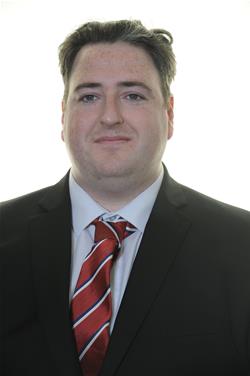
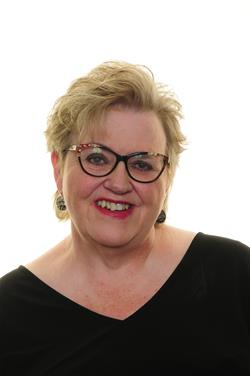
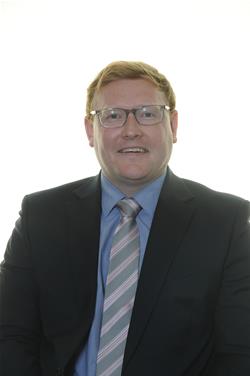
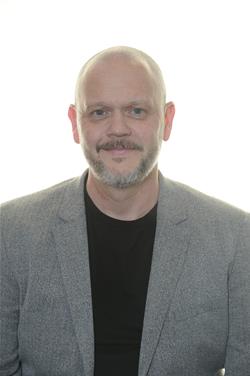
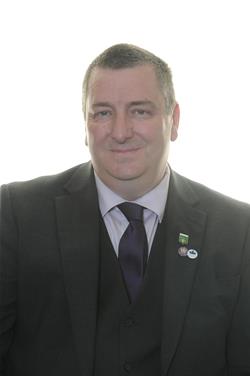
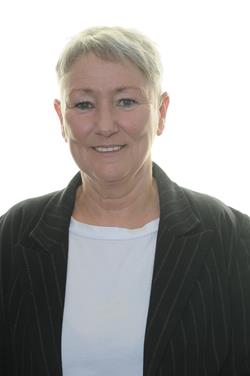
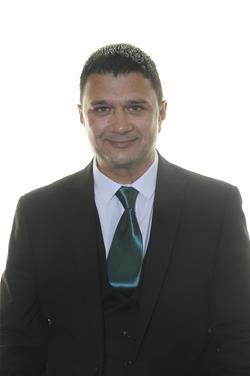
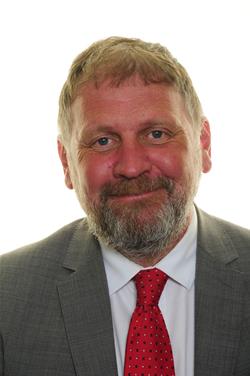
Attendees







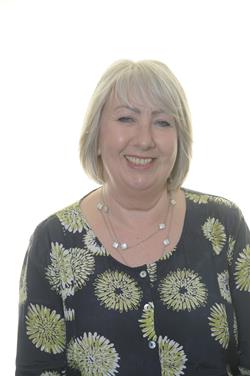
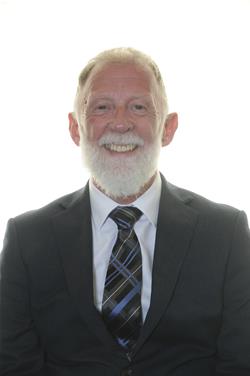
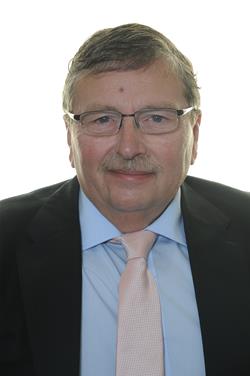
Topics
No topics have been identified for this meeting yet.