Limited support for Swansea
We do not currently provide detailed weekly summaries for Swansea Council. Running the service is expensive, and we need to cover our costs.
You can still subscribe!
If you're a professional subscriber and need support for this council, get in touch with us at community@opencouncil.network and we can enable it for you.
If you're a resident, subscribe below and we'll start sending you updates when they're available. We're enabling councils rapidly across the UK in order of demand, so the more people who subscribe to your council, the sooner we'll be able to support it.
If you represent this council and would like to have it supported, please contact us at community@opencouncil.network.
Summary
Open Council Network is an independent organisation. We report on Swansea and are not the council. About us
The Climate Change and Nature Scrutiny Performance Panel met to discuss updates on weed spraying and wildflowers, and to review the panel's work plan for the year. The panel reviewed the draft work plan and agreed to it.
Update on Weed Spraying and Wildflowers
Councillor Andrew Stevens, Cabinet Member for Environment and Infrastructure, along with Stuart Davies, Head of Highways and Transportation, Bob Fenwick, Group Leader Highways Maintenance, and Jeremy Davies, Group Leader Parks and Cleansing, provided an update on the council's weed spraying and wildflower planting initiatives.
Key points covered in the update:
- Weed Spraying: The council is responsible for maintaining the public highway and public spaces, ensuring they are free of obstructions and that weed growth is kept to acceptable levels. Spraying is carried out to remove weeds, moss, and algae from hard surfaces to reduce the risk of slips, trips, and falls. The current weed spraying programme consists of three sprays per season, with primary gateway routes receiving four sprays. The council is reviewing alternative methods for weed control as the current contract expires in 2026.
- Areas Opting Out: Two wards, West Cross and Mayals, have opted out of highway weed spraying, with the exception of some primary routes and housing areas.
- Wildflowers: The council is committed to delivering a programme of wildflower planting and management as part of its well-being objective,
Delivering on Nature Recovery and Climate Change.
The Parks Service is continuing itsCut & Collect
trials to establish species-rich native wildflower meadows via amenity grassland and road verge management. The council also displays non-native and more colourful wildflowers at the roadside. - Glyphosate Use: Glyphosate-based herbicides are used for weed treatment in various areas, including housing areas, sheltered housing complexes, and schools. The council also offers Japanese knotweed treatment as a paid service to the private sector. While the council is open to trialling alternatives, glyphosate is currently considered the most efficient and cost-effective method for broad-spectrum weed treatment.
- Council Commitments: The council approved and signed up to the Local Nature Recovery Action Plan in 2023 and has actions connected to grassland and wildflower management within its Section 6 Biodiversity Duty Plan (2023-25).
- Challenges: The main challenges include ensuring continuity of service amidst resource pressures, increasing demand for a weed-free environment, and growing concerns over the safety of chemicals used.
- Monitoring: Both Parks and Highways departments monitor developments in processes and treatments due to media concerns about the safety of chemicals. The council also reviews methods used by other councils through APSE performance networks[^2]. [^2]: APSE stands for the Association for Public Service Excellence, a not-for-profit organisation dedicated to promoting excellence in local government services.
- Legal Implications: The primary legislation for weed control is the Highways Act 1980 and the Weeds Act 1959. The use of glyphosate is lawful as it is an approved substance on the EU Pesticides database, provided all regulations are followed.
The report concluded that current practices follow best practice guidance and advice from the Welsh Government. The use of glyphosate is balanced against cost, public demand, and concerns over safety, with no other cost-effective treatment currently available to meet public demand.
Work Plan 2025-26
The panel reviewed the draft work plan for 2025-26 and agreed to it. The work plan included the following topics for future meetings:
- Water Quality, Management and Pollution Control
- Retrofit Project Briefing
- Sustainable Transport Strategy
- Local Flood Risk Management – Annual Update
- Section 6 Biodiversity and Resilience of Eco Systems Duty Action Plan
- Air Quality Management
- Net Zero 2030 Emissions Reporting
- Panel Review of the Year
Future work plan items include a new waste strategy, a climate change update, a nature recovery update, an update on progress with the Regional Energy Plan/Local Area Energy Plan, and a Section 6 Biodiversity and Resilience of Ecosystems Duty Action Plan update.
Attendees

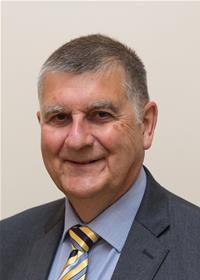
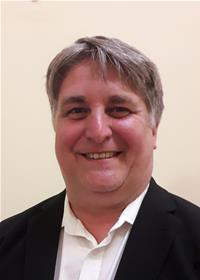
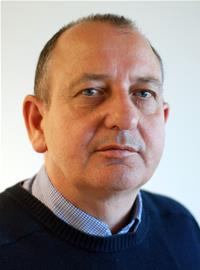





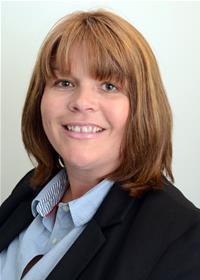
Topics
No topics have been identified for this meeting yet.
Meeting Documents
Reports Pack