Subscribe to updates
You'll receive weekly summaries about Lancashire Council every week.
If you have any requests or comments please let us know at community@opencouncil.network. We can also provide custom updates on particular topics across councils.
Lancashire Combined County Authority - Overview and Scrutiny Committee - Monday, 9th March, 2026 3.00 pm
March 9, 2026 at 3:00 pm Lancashire Combined County Authority - Overview and Scrutiny Committee View on council websiteSummary
Open Council Network is an independent organisation. We report on Lancashire and are not the council. About us
The Lancashire Combined County Authority (LCCA) Overview and Scrutiny Committee met on 9 March 2026 to discuss key updates on devolution, local government reorganisation, and the Get Lancashire Working
initiative. The committee also reviewed the LCCA's budget for 2026/27 and its work programme.
Chief Operating Officer Update
Matthew Sidgreaves, Interim Chief Operating Officer of the Lancashire Combined County Authority (LCCA), provided an update on recent developments. He highlighted the LCCA's first anniversary and upcoming meetings with the Minister for Devolution, Faith and Communities regarding future devolution arrangements in Lancashire. The government has invited expressions of interest for the next wave of Foundation Strategic Authorities, and the LCCA aims to position itself as an established authority. Capacity funding for 2026-27 has been confirmed at £250,000 for Foundation Strategic Authorities.
The committee was also updated on several consultations:
- Overnight Visitor Levy: The LCCA has jointly responded to the consultation, advocating for the extension of this power to Foundation Strategic Authorities. They emphasised the importance of Lancashire's tourism economy and highlighted concerns from operators.
- Local Government Reorganisation (LGR): The LCCA has been identified as a named consultee. Councillor Murphy argued for a pause in LGR, citing unclear relationships between the LCCA and potential successor authorities, and the risk of duplication and hidden costs. Councillor Allen proposed delaying shadow elections to 2028 to allow more time for transition planning. Councillor Slater supported a delay, stating it was a
responsible act
to allow Lancashire to build consensus and strengthen its evidence base. Matthew Sidgreaves confirmed that the three council leaders had agreed to a neutral response to the consultation, acknowledging differing views across the authorities. - Spatial Development Strategy (SDS) Geography: The LCCA's footprint is recognised as the strategic planning authority for SDS, aligning with the emerging Devolution Bill.
- Local Transport Authorities and Taxi/Private Hire Licensing: The Department for Transport is consulting on the potential benefits and challenges of local transport authorities taking on this role. Concerns were raised about the fragmentation of current licensing across Lancashire and the complexity of the issue, with some councillors suggesting a delay to LGR to allow for more detailed consideration. Matthew Sidgreaves noted that the consultation was an opportunity for all interested parties to express their views.
Updates were also provided on the progress of the economy, transport, and skills work programmes. The LCCA will take on local transport authority functions from 1 April 2026, and a recruitment process for a Director of Transport is underway. Advisory board updates from the Economy, Transport, and Skills boards were also shared for information.
Get Lancashire Working
Michelle Lawty-Jones, Director of the Lancashire Skills and Employment Hub, and Dan Dixon, Programme Manager for Connect to Work, presented on the Get Lancashire Working
initiative. This plan aims to achieve an 80% employment rate over the next 10 years, with a focus on tackling health-related economic inactivity. Lancashire is well-positioned to lead this, having already conducted a deep dive into economic inactivity and secured a WorkWell vanguard.
The Get Lancashire Working Plan,
published in September 2025, aligns with the government's ambition and focuses on priority groups identified through data, including those on universal credit with no work requirement, youth unemployment, female carers, residents with hidden disabilities, and individuals in employment experiencing health conditions.
The Connect to Work
programme, a key part of Get Lancashire Working,
is a national, DWP-funded initiative aiming to support over 11,000 residents over five years. It employs a supported employment model, focusing on placing, training, and maintaining individuals in work, particularly those with disabilities or long-term health conditions. Councillor Ali raised concerns about support for individuals in their early 50s and those transitioning to NHS jobs, and the presenters confirmed that various programmes, including Connect to Work and the Adult Skills Fund, could address these needs. Councillor Flanagan highlighted potential frustrations with Adult Skills Fund providers and the need for better targeting of hard-to-reach learners, suggesting scrutiny could examine this process.
The presentation included a case study video showcasing the positive impact of the programme on an individual's confidence and employment prospects. Councillor Burdess raised concerns about the sustainability of job placements and the risk of churning
numbers if jobs are not long-term and permanent. The presenters clarified that the 11,000 target is over five years and that the programme aims for sustained employment through intensive support for both participants and employers.
Budget 2026/27 and Medium-Term Financial Strategy 2027/28
Susan Guinness, LCCA Strategic Finance, presented the proposed budget for 2026/27 and an indicative budget for 2027/28. The 2026/27 budget is balanced, with a £145,000 contribution from reserves, resulting in a forecast year-end reserve balance of £1.389 million. Total expected spend is around £53 million. Susan Guinness noted that changes to the budget would be inevitable as the LCCA evolves and staff transfers occur from 1 April 2026. The Capital Scheme over four years totals £571 million. Councillor Riggott inquired about the strategy to minimise the use of reserves, and Susan Guinness confirmed this would be brought back for further discussion.
The committee also discussed the Overview and Scrutiny Committee Work Programme for 2025/26 and considered future items for the 2026/27 programme. There was a consensus on the need to refine the interface between scrutiny, advisory boards, and the combined authority to ensure effective scrutiny. The importance of aligning with the Audit Committee and potentially receiving their work programme was also raised. The committee agreed that future agendas should include presentations in advance to allow for more in-depth discussion and challenge.
The next meeting of the Overview and Scrutiny Committee was scheduled for Tuesday, 7 July 2026.
Attendees
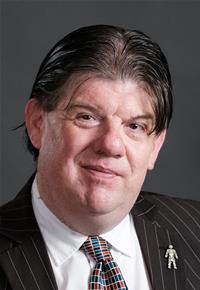
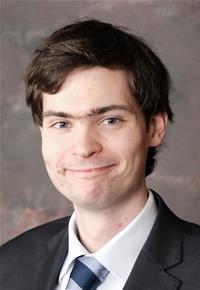

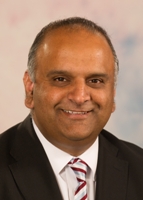
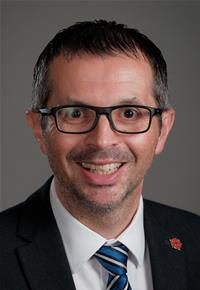

Topics
No topics have been identified for this meeting yet.
Meeting Documents
Agenda
Reports Pack
Additional Documents