Subscribe to updates
You'll receive weekly summaries about Croydon Council every week.
If you have any requests or comments please let us know at community@opencouncil.network. We can also provide custom updates on particular topics across councils.
Scrutiny Health & Social Care Sub-Committee - Tuesday, 26th March, 2019 6.30 pm
March 26, 2019 at 6:30 pm Scrutiny Health & Social Care Sub-Committee View on council websiteSummary
Open Council Network is an independent organisation. We report on Croydon and are not the council. About us
The Scrutiny Health & Social Care Sub-Committee met on Tuesday 26 March 2019 to discuss the discontinuation of the Community Dental Service at Parkway Health Centre, receive an update on the Cabinet Member for Families, Health & Wellbeing's portfolio, review the Annual Public Health Report 2018, and hear an update from Healthwatch Croydon on the experiences of dementia carers. The Sub-Committee requested a further written update on the future of the Community Dental Service and agreed to revisit the recommendations from the dementia carers report in twelve months.
Community Dental Service Update
The Sub-Committee received an update from King's College Hospital NHS Foundation Trust regarding the discontinuation of the Community Dental Service at the Parkway Health Centre in New Addington. It was confirmed that the decision to discontinue the service had not been reconsidered, as the necessary equipment had already been decommissioned. An Equalities Impact Assessment (EIA) acknowledged the significant impact of the closure on patients with disabilities and those facing transport challenges. King's College Hospital NHS Foundation Trust has written to affected patients and is exploring the possibility of locating a new Community Dental Service at a new leisure facility in New Addington, and is also participating in the borough's oral health steering group. Members raised concerns about transport issues and the focus of the EIA, suggesting alternative sites within the borough. The Sub-Committee concluded that while the decision-making process for the closure had been flawed, it offered learning opportunities. They expressed reassurance that efforts are underway to explore long-term options for the service and requested a further written update on interim and long-term plans with indicative timescales.
Cabinet Member for Families, Health & Wellbeing Portfolio Update
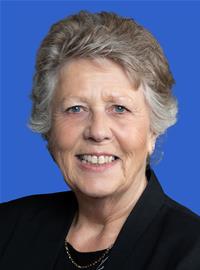
Councillor Jane Avis, Cabinet Member for Families, Health & Wellbeing, presented an update on her portfolio. Strengths highlighted included the One Croydon Alliance winning a Local Government Chronicle Health & Social Care Award, the Council achieving Dementia Friendly Status, and delivering a balanced budget despite increased demand. Upcoming initiatives include the launch of an E-Marketplace in June 2019 to provide greater choice for customers and a new Front Door
approach designed to resolve resident queries at the first point of contact. The locum workforce in the Adults Service has been significantly reduced, and locality-based working is being rolled out. Potential weaknesses identified include the fragility of the provider market, with the Council operating a large number of care homes, and issues with data quality, although improvements are anticipated with a greater focus on data-driven approaches. A £500,000 cut to the Director of Public Health's budget was noted as a challenge for preventative approaches. The Sub-Committee was informed of efforts to reduce health inequalities, the acquisition of a new case management system, and opportunities arising from the NHS's ten-year plan for integrated care. Concerns were raised about the delayed Government Green Paper on social care funding and the potential impact of Brexit on the adult social care workforce.
During the subsequent question and answer session, the Sub-Committee discussed budget management, with an emphasis on smart working and digital resources to support residents remaining in their own homes. The difficulty in protecting frontline services in future budgets and the urgent need for government funding solutions were highlighted. Mitigation strategies for potential staffing reductions due to Brexit were discussed, including a scheme to attract first-year social workers. The insourcing of special sheltered housing care provision was welcomed, with assurances that costs would not be passed onto residents. The advanced stage of the One Croydon Alliance was noted, alongside concerns about potential impacts from the regionalisation of Clinical Commissioning Groups. The Council's adherence to the Public Sector Equality Duty was confirmed, with a commitment to ensuring equal access to services for disabled people. The inconvenient location of the Department of Work and Pensions (DWP) Assessment Centre was raised, and the Cabinet Member agreed to raise this at the next Mobility Forum meeting, with a suggestion to invite DWP representatives to a future Sub-Committee meeting. Contingency planning for Brexit, including potential medicine supply disruptions, was confirmed to be underway by partner organisations. The integration of new locality hubs with the One Croydon Alliance was discussed, with ongoing work to ensure coordination. The strategy for better coordination of the voluntary and community sector, being prepared by Councillor Hamida Ali, Cabinet Member for Safer Croydon and Communities, was mentioned. The potential for mobile services using buses as an alternative to hubs for rural communities was explored. The cost-effectiveness and benefits of enabling people to stay in their own homes were emphasised, with reference to the Aztec Centre. Improvements to data capture through new digital packages and a cultural shift towards data utilisation were discussed. Measures for residents unable to report online, including face-to-face contact through locality-based working and the new Front Door system, were outlined. The importance of service user experience in shaping council work was affirmed. The potential for bringing other services back in-house was noted, with the caveat that contract terms and the cost of early termination would be considered. The Sub-Committee concluded that challenging issues within the portfolio should be revisited, that comparing data capture levels with other local authorities would be beneficial, and that inviting DWP representatives to discuss the Assessment Centre location was advisable. A recommendation was made to the Cabinet Member for Families, Health & Wellbeing to undertake work to understand the Council's performance regarding data capture against other local authorities.
Annual Public Health Report 2018
Director of Public Health, Rachel Flowers, presented the Annual Public Health Report 2018, focusing on the early experiences of young children in Croydon. The report highlighted the critical impact of early childhood experiences, including Adverse Childhood Experiences (ACEs), on future development. Key principles of the approach outlined were ensuring staff and members understood their roles, recognising that everyone can make a difference, integrating health considerations into all Council policies, and breaking the cycle of inequalities. The report's recommendations had been agreed by the Croydon Clinical Commissioning Group and the South London and Maudsley NHS Foundation Trust (SLaM). Work streams arising from the report include improving maternal mental health pathways and collaborating with the voluntary and community sector on violence reduction. A Vulnerable Adolescent Mental Health Review would inform the work of the Children & Young People Emotional Wellbeing and Mental Health Board. Support for prospective parents, including a Joint Health Weight Steering Group and smoking cessation support, is being provided. The Sub-Committee was informed of progress towards the target of 95% MMR immunisations and welcomed the government's move to remove anti-vaccination information from social media. A task and finish group of the Health & Wellbeing Board will be established to oversee the delivery of the report's recommendations.
During the discussion, questions were raised about coordinating the various work streams and ensuring a shared focus. It was explained that the report was independent and informed by frontline staff and evidence, with oversight provided by the Health and Wellbeing Board. Concerns were raised about potential issues being missed for children not referred through the baby food bag scheme, and conversations about providing wrap-around support were ongoing. The report's basis in anecdotal evidence regarding the importance of early years and the impact of ACEs was clarified, with the aim of providing a shared understanding. The prioritisation of the 34 recommendations was discussed, with the understanding that they are independent and partner organisations can choose whether to follow them. Four key recommendations were highlighted. The report was noted as being targeted towards professionals working with Croydon residents rather than the general public. Physical disability was confirmed to be considered an ACE but was not explicitly mentioned in the report as it focused on the ten highest-ranked experiences. The Sub-Committee concluded that the Director of Public Health should be thanked for her informative report.
Croydon Healthwatch Update
Gordon Kay, Manager of Healthwatch Croydon, provided an update on the organisation's activities, including a report on the experiences of dementia carers accessing healthcare services in the borough. The report identified GPs as crucial gatekeepers to the healthcare system, with a generally positive view of their role. It was emphasised that carers need the right support at the right time, as the healthcare system can be confusing, particularly during a crisis. Social care advice was noted to often focus on financial implications before care levels, at a time when carers may not wish to discuss finances. The Council's funding of the Carers Information Service was highlighted, with a suggestion for improved communication to promote awareness of this Council-supported service. The report's recommendations included the need for clear pathways, as the current structure was confusing. Key service providers had responded positively to the report.
Rachel Carse from the Croydon Dementia Action Alliance (CDAA) also provided an update, noting an increase in the CDAA's size and the number of staff signed up as dementia friends. The complexity of dementia pathways was discussed, with over 100 types of dementia. The CDAA's remit includes reducing stigma and fear, with activities such as dementia-friendly film screenings and work with the BME community to raise awareness of their higher risk of dementia. The CDAA is open to working with voluntary and community sector groups. The Sub-Committee welcomed the report and supported its recommendations, acknowledging the relatively small but proportionate number of carers who contributed. The Sub-Committee agreed to revisit the report's recommendations in twelve months to review progress.
Attendees




Topics
No topics have been identified for this meeting yet.
Meeting Documents
Additional Documents