Subscribe to updates
You'll receive weekly summaries about Surrey Council every week.
If you have any requests or comments please let us know at community@opencouncil.network. We can also provide custom updates on particular topics across councils.
Adults and Health Select Committee - Wednesday, 8 October 2025 10.00 am
October 8, 2025 Adults and Health Select Committee View on council website Watch video of meeting Read transcript (Professional subscription required)Summary
Open Council Network is an independent organisation. We report on Surrey and are not the council. About us
The Adults and Health Select Committee met to discuss the Mindworks transformation programme and the older people's residential and nursing care strategy. Councillors questioned officers from Surrey and Borders Partnership Trust (SABP) about waiting times, the support available in schools, and how the services are communicated to parents. The committee also discussed a plan for residential and nursing care, and agreed to continue to prepare a strategic business case for approval by the cabinet.
MindWorks Transformation Programme
The committee received an update on the MindWorks transformation programme, which aims to improve mental health support for children and young people in Surrey.
School Support A key area of discussion was the level of support available in schools. Councillor Chris Townsend raised concerns that not all schools in his division had a mental health specialist, despite claims that every state school had one. Dr Rebecca Scarf, consultant clinical psychologist and lead of the school based needs service, clarified that every state school, including academies, has access to a school-based consultation, where school staff can discuss support options. She offered to follow up with Councillor Chris Townsend regarding West Ashton School to confirm the support available.
Dr Lucy Ivankovic explained that the support provided is led by the needs of the school, with 75% of state schools in Surrey having a mental health support team that visits regularly. Councillor Maria questioned whether there was actually somebody in the school to address problems there and then. Dr Ivankovic clarified that there might be in the mental health support teams. Councillor Maria requested more information about the support available to each school, including those with maximum support and those only accessible by phone.
Benchmarking
Councillor Liz Townsend asked about national benchmarking standards for neurodiversity services. Terry Clark, head of emotional health and well-being commissioning across the ICB1 and local authority, said that there is going to be work around a national benchmarking platform.
Epsom and Ewell Pilot
James Newman, director in the Bourne Education Trust and former headteacher of Epsom and Ewell High School, spoke about the positive impact of the Epsom and Ewell pilot, which provides schools with access to mental health support teams. He described it as a release valve
for headteachers, providing expertise and support when needed. The pilot supported 23 schools in the Epsom and Ewell borough, and is being rolled out on a borough-by-borough basis, with full rollout planned for the next academic year.
Resistance from Schools Councillor Jeremy Webster raised the issue of resistance from schools to engaging with mental health support services. Dr Scarf said that the teams persevere and engage at all levels, from senior leadership to individual practitioners. She shared an anecdote about a practitioner who leaves a duck in schools to show she has been there and is available for consultation.
Support for Independent Schools Councillor Michaela Martin asked about the support available to children in independent schools. Justine Leonard, Director for Children and Young People Services at Surrey and Borders Partnership Trust, confirmed that the entire MindWorks offer is available to children in independent sector schools, and staff can make referrals in the usual way.
Support for Children Not in School Councillor Jonathan Essex raised concerns about children with anxiety who are not in school, either being home-schooled or in alternative provision. He asked what support is available for these children, particularly those waiting for a diagnosis on the neurodevelopmental pathway. He highlighted a case where a child in an independent school had been out of school for a couple of years and had received no support from MindWorks.
Safeguarding Councillor Robert Evans OBE, Labour & Labour Co-operative Group Leader, asked what safeguards are in place to ensure that children do not fall through the system. Dr Scarf said that any family or child can contact the CAMHS2 24-7 crisis line for help and support, and that the Trust has governance processes in place to learn from incidents and complaints. Communications Councillor Bernie Muir, Vice-Chair of the Council, asked about improvements to communication and guidance for parents on accessing services. Helen said that a guide is given out for families and professionals.
Right to Choose Councillor Catherine Powell, Residents' Association and Independent Group Leader, asked how the council is ensuring that its communications explain the pathway route through Surrey, given national attention on the right to choose route. Terry Clark said that there is a public-facing website on the ICB website, and that they are still developing how to link it to other websites.
Recommendations The committee discussed a number of recommendations to improve the MindWorks programme:
- Guidance for councillors, schools, and charity workers on how to flag children who are slipping through the gaps.
- Clear guidance on the difference between the right to choose pathway and the school's pathway.
- A separate report on FASD3.
- A quantitative and qualitative report on the findings of the Epsom and Ewell pilot.
- Support for national benchmarks.
- Lobbying for the right sizing of budgets to baseline the provision needed in this area.
- A deep dive into what the social model really looks like, what the root causes are for increased stress and anxiety, as well as autism in young people, and how the council is going to address that in parallel to the diagnostic approach.
- Mapping of services across Surrey, including where mental health support teams are currently and where they are being rolled out to. # Older People's Residential and Nursing Care Strategy
The committee considered a report on the Right Homes, Right Support Older People's Residential and Nursing Care Strategy, which sets out the council's plan for providing high-quality, sustainable care home provision across Surrey.
Communication and Engagement Councillor Helyn Clack asked about how the council will communicate the strategy to the wider community and ensure that residents are kept updated and followed up with. Bill, said that the council will continue to engage with people throughout the change process, and that providers will be expected to work alongside the council to seek feedback from residents.
Transfer of Care and Finances Councillor Frank Kelly asked about the collaboration undertaken to carefully plan transfers for vulnerable people to ensure the new care setting best meets the individual. Claire said that the council is undertaking a transformation programme across adult social care to ensure that people are in the right placements, and that they are developing and improving their community-based offer.
Disruption to Residents Councillor District Kirstie Havard asked who the council will work with to ensure that any refurbishment work is undertaken with minimal disruption to residents. John said that the council will work closely with health and safety colleagues, building colleagues, and the care provider to articulate the information to residents and help them understand the rationale for any moves.
Involvement of Families Councillor Carla Morson raised concerns that families were not mentioned in the discussion about communication and engagement. Claire said that the council would want to include the family, and that they would seek consent from the resident to do so.
Demand for ASC-Funded Services Councillor Borough Victoria Wheeler asked about how the council will manage the demand for ASC4-funded services, given the increasing number of self-funders in Surrey. Claire said that the council is working to encourage people to plan for their future care needs and to remain in their own homes for as long as possible. Commercial Aspects Councillor Jonathan Essex, The Green Party Group Leader, asked about the commercial aspects of the strategy and how the council will deal with the culture change involved. Bill said that the council has a strong working relationship with CareUK, and that they will work with providers to ensure a smooth transition.
Technology Councillor David Harmer asked about how technology forms part of the strategy. Claire said that the council is working to maximise the use of technology to enable independence, and that this will be a key consideration in the refurbishment of buildings.
Recommendations The committee made the following recommendations:
- The committee requests that you continue to prepare a strategic business case for approval by Cabinet and brief the committee in advance of Cabinet.
- The IT infrastructure is used correctly.
Attendees

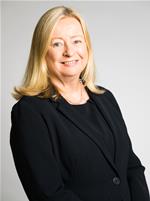
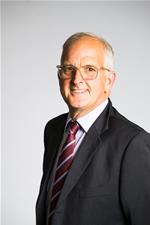

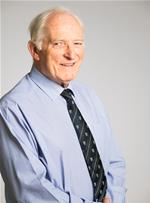
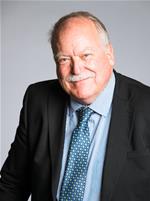






Topics
No topics have been identified for this meeting yet.
Meeting Documents
Agenda
Additional Documents