Subscribe to updates
You'll receive weekly summaries about Croydon Council every week.
If you have any requests or comments please let us know at community@opencouncil.network. We can also provide custom updates on particular topics across councils.
Budget Council, Council - Wednesday, 25th February, 2026 6.30 pm
February 25, 2026 at 6:30 pm Council View on council websiteSummary
Open Council Network is an independent organisation. We report on Croydon and are not the council. About us
The Croydon Council meeting on Wednesday, 25 February 2026, focused heavily on the approval of the Council's budget for 2026-27 and the associated Council Tax increase. Key decisions included the approval of a 4.99% increase in Council Tax, the establishment of a special Council Tax Setting Committee to finalise calculations after the GLA precept is confirmed, and the adoption of the Treasury Management Strategy Statement, Minimum Revenue Provision Policy Statement, and Annual Investment Strategy for 2026/27. The meeting also saw the approval of the Housing Revenue Account (HRA) budget and business plan, along with the General Fund Capital Programme and Capital Strategy for 2025-31.
Council Approves 2026-27 Budget and Council Tax Increase
Croydon Council has approved its budget for the 2026-27 financial year, which includes a 4.99% increase in Council Tax. This decision was made during a meeting on Wednesday, 25 February 2026, where councillors debated and voted on various financial proposals.
The budget, which also incorporates a 2% levy for adult social care, was passed with 33 votes in favour, three against, and 31 abstentions. The Council Tax increase will see the average Band D property charge rise by £99.30 for the Croydon element.
A special Council Tax Setting Committee will be established to finalise the exact Council Tax calculation once the Greater London Authority (GLA) precept is confirmed, as the GLA's meeting to set its precept is scheduled for the day after the Budget Council meeting.
Key Financial Decisions
The meeting saw the approval of several significant financial reports:
- Treasury Management Strategy Statement, Minimum Revenue Provision Policy Statement and Annual Investment Strategy 2026/27: This was approved, outlining the Council's approach to borrowing, investment, and risk management.
- Housing Revenue Account (HRA) Budget and Business Plan 2026-27: The Council agreed to the proposed rent increase of 4.8% for council tenants, in line with the Social Housing Rent Policy. This increase is intended to support ongoing investment in the housing stock. The HRA 30-year Business Plan was also agreed, demonstrating its projected financial sustainability.
- General Fund Capital Programme and Capital Strategy 2025-31: This outlines planned capital expenditure across various directorates, including significant investment in town centre regeneration, education infrastructure, and housing. The programme includes planned expenditure of £874.1 million over six years, financed through borrowing and other sources.
- Croydon Pay Policy Statement 2026-27: This statement, which outlines the Council's policies on the remuneration of senior staff, lowest paid employees, and the relationship between their pay, was unanimously agreed.
- Members' Scheme of Allowances 2026/27: This scheme, which details the allowances paid to councillors, was approved with 64 votes in favour and three against.
Budget Debate Highlights
The budget debate was extensive, with councillors from different political groups raising concerns and offering alternative perspectives.
Mayor Jason Perry, Executive Mayor of Croydon, presented the budget, emphasizing its focus on keeping Croydon on track
and highlighting investments in local parks, community spaces, and town centre regeneration. He stressed the progress made in stabilising the Council's finances since 2022, despite inheriting a crisis.
Councillor Stuart King, Leader of the Opposition, criticised the budget, stating that Mayor Perry had failed to fix the finances
and that Council Tax had increased by a staggering 33%
. He argued for new leadership, suggesting that only Labour could provide it.
Councillor Rhea Patel, speaking for the Green Group, presented an amendment proposing cuts to cabinet positions and increased resident involvement in decision-making. She argued that the local government finance system is fundamentally broken
and called for fairer taxation.
Councillor Claire Bonham, speaking for the Liberal Democrats, expressed disappointment that the budget relied on extraordinary levels of exceptional financial support
and embedded unsustainable levels of debt.
The meeting also included a recorded vote on the Council's budget, which was carried. The Council Tax Setting Committee was established with an equal split between Conservative and Labour councillors.
Other Business
The meeting also included the approval of the Croydon Pay Policy Statement 2026-27 and the Members' Scheme of Allowances 2026/27. The latter saw an annual inflation increase applied to expense claim rates for travel and accommodation, with a total estimated cost increase of around £100.
The meeting concluded with Councillor Richard Chatterjee, Civic Mayor of Croydon, thanking attendees and reminding them of the next Full Council meeting scheduled for Wednesday, 15 April.
Council Tax Increase and Budget Approved Amidst Debate
Croydon Council has approved its budget for the 2026-27 financial year, including a 4.99% increase in Council Tax. The decision was made during a meeting on Wednesday, 25 February 2026, following extensive debate among councillors. The budget aims to balance service delivery with financial recovery, acknowledging the borough's significant debt burden and reliance on exceptional financial support from the government.
Budget and Council Tax Decisions
The Council's budget for 2026-27 was approved, with a net budget requirement of £485.401 million. This necessitates a 4.99% increase in the Croydon element of Council Tax, which includes a 2% levy for adult social care. For a Band D property, this equates to an annual increase of £99.30.
A key decision was the establishment of a special Council Tax Setting Committee. This committee will meet after the Greater London Authority (GLA) confirms its precept, allowing for the final Council Tax calculation to be completed. This measure is necessary due to the GLA's meeting to set its precept occurring the day after the Council's Budget Council meeting.
The meeting also saw the approval of the Treasury Management Strategy Statement, Minimum Revenue Provision Policy Statement, and Annual Investment Strategy for 2026/27. These documents outline the Council's approach to managing its borrowing, investments, and associated risks.
Key Discussions and Concerns
The budget debate highlighted significant concerns regarding the Council's financial sustainability. Mayor Jason Perry, presenting the budget, emphasized the progress made in stabilising finances since 2022, focusing on the Future Croydon
transformation programme to modernise services and achieve efficiencies. He acknowledged the Council's reliance on exceptional financial support from the government, stating that a long-term solution to Croydon's historic debt was needed.
Opposition councillors, including Councillor Stuart King, Leader of the Labour Group, voiced strong criticism, highlighting the cumulative Council Tax increases and persistent departmental overspends. Councillor King argued that the Council's finances had worsened under the current administration and called for new leadership.
The Green Group, represented by Councillor Ria Patel, proposed an amendment to cut cabinet positions and increase resident involvement, arguing that the local government finance system is fundamentally broken.
Liberal Democrat Councillor Claire Bonham echoed concerns about the budget's reliance on unsustainable levels of debt
and continued bailouts.
Housing Revenue Account and Capital Programmes
The Housing Revenue Account (HRA) budget for 2026-27 was approved, including a 4.8% increase in social rents, in line with government policy. This increase is intended to fund essential investment in the housing stock, including repairs, building safety, and regeneration projects like the Regina Road development. The HRA 30-year Business Plan was also agreed, projecting financial sustainability for the account.
The General Fund Capital Programme for 2025-31 was approved, outlining planned expenditure of £874.1 million. This includes significant investment in town centre regeneration, education infrastructure, and housing, with a substantial portion financed through borrowing. The Council's Capital Strategy 2026-27 was also adopted, setting the framework for capital investment decisions.
Other Decisions
The Croydon Pay Policy Statement 2026-27 was approved, outlining policies on senior staff remuneration, lowest paid employees, and pay relationships. The Members' Scheme of Allowances 2026/27 was also agreed, with an annual inflation increase applied to expense claim rates.
The meeting concluded with thanks to officers and a reminder of the next Full Council meeting.
Croydon Council Approves Budget with Council Tax Rise
Croydon Council has approved its budget for the 2026-27 financial year, which includes a 4.99% increase in Council Tax. The decision was made at a Full Council meeting on Wednesday, 25 February 2026, following extensive debate and a recorded vote. The budget aims to balance service delivery with financial recovery, acknowledging the borough's significant debt burden and ongoing reliance on exceptional financial support from the government.
Budget and Council Tax Decisions
The Council's budget for 2026-27 was approved, setting a net budget requirement of £485.401 million. This necessitates a 4.99% increase in the Croydon element of Council Tax, which includes a 2% levy for adult social care. For a Band D property, this equates to an annual increase of £99.30.
A special Council Tax Setting Committee has been established to finalise the exact Council Tax calculation. This is due to the Greater London Authority (GLA) confirming its precept the day after the Budget Council meeting. The committee will have a limited remit to complete the technical calculation, adding the Croydon element to the confirmed GLA precept.
The meeting also saw the approval of the Treasury Management Strategy Statement, Minimum Revenue Provision Policy Statement, and Annual Investment Strategy for 2026/27. These documents outline the Council's approach to managing its borrowing, investments, and associated risks.
Key Discussions and Concerns
The budget debate highlighted significant concerns regarding the Council's financial stability. Mayor Jason Perry, presenting the budget, emphasized its focus on keeping Croydon on track
and highlighted investments in local parks, community spaces, and town centre regeneration. He stressed the progress made in stabilising the Council's finances since 2022, despite inheriting a crisis.
Opposition councillors, including Councillor Stuart King, Leader of the Labour Group, voiced strong criticism. Councillor King argued that the Council's finances had worsened under the current administration, citing persistent departmental overspends and a cumulative Council Tax increase of 33% over four years. He called for new leadership, suggesting that only Labour could provide it.
Councillor Ria Patel, representing the Green Group, proposed an amendment to cut cabinet positions and increase resident involvement in decision-making. She argued that the local government finance system is fundamentally broken
and called for fairer taxation. Liberal Democrat Councillor Claire Bonham echoed concerns about the budget's reliance on unsustainable levels of debt
and continued bailouts.
Housing Revenue Account and Capital Programmes
The Housing Revenue Account (HRA) budget for 2026-27 was approved, including a 4.8% increase in social rents, in line with government policy. This increase is intended to fund essential investment in the housing stock, including repairs, building safety, and regeneration projects like the Regina Road development. The HRA 30-year Business Plan was also agreed, projecting financial sustainability for the account.
The General Fund Capital Programme for 2025-31 was approved, outlining planned expenditure of £874.1 million. This includes significant investment in town centre regeneration, education infrastructure, and housing, with a substantial portion financed through borrowing. The Council's Capital Strategy 2026-27 was also adopted, setting the framework for capital investment decisions.
Other Decisions
The Croydon Pay Policy Statement 2026-27 was approved, detailing policies on senior staff remuneration, lowest paid employees, and pay relationships. The Members' Scheme of Allowances 2026/27 was also agreed, which includes an annual inflation increase for expense claim rates related to travel and accommodation.
The meeting concluded with thanks to officers and a reminder of the next Full Council meeting scheduled for Wednesday, 15 April.
Croydon Council Approves Budget with Council Tax Rise
Croydon Council has approved its budget for the 2026-27 financial year, which includes a 4.99% increase in Council Tax. The decision was made at a Full Council meeting on Wednesday, 25 February 2026, following extensive debate. The budget aims to balance service delivery with financial recovery, acknowledging the borough's significant debt burden and ongoing reliance on exceptional financial support from the government.
Budget and Council Tax Decisions
The Council's budget for 2026-27 was approved, setting a net budget requirement of £485.401 million. This necessitates a 4.99% increase in the Croydon element of Council Tax, which includes a 2% levy for adult social care. For a Band D property, this equates to an annual increase of £99.30.
A special Council Tax Setting Committee has been established to finalise the exact Council Tax calculation. This is due to the Greater London Authority (GLA) confirming its precept the day after the Budget Council meeting. The committee will have a limited remit to complete the technical calculation, adding the Croydon element to the confirmed GLA precept.
The meeting also saw the approval of the Treasury Management Strategy Statement, Minimum Revenue Provision Policy Statement, and Annual Investment Strategy for 2026/27. These documents outline the Council's approach to managing its borrowing, investments, and associated risks.
Key Discussions and Concerns
The budget debate highlighted significant concerns regarding the Council's financial stability. Mayor Jason Perry, presenting the budget, emphasized its focus on keeping Croydon on track
and highlighted investments in local parks, community spaces, and town centre regeneration. He stressed the progress made in stabilising the Council's finances since 2022, despite inheriting a crisis.
Opposition councillors, including Councillor Stuart King, Leader of the Labour Group, voiced strong criticism. Councillor King argued that the Council's finances had worsened under the current administration, citing persistent departmental overspends and a cumulative Council Tax increase of 33% over four years. He called for new leadership, suggesting that only Labour could provide it.
Councillor Ria Patel, representing the Green Group, proposed an amendment to cut cabinet positions and increase resident involvement in decision-making. She argued that the local government finance system is fundamentally broken
and called for fairer taxation. Liberal Democrat Councillor Claire Bonham echoed concerns about the budget's reliance on unsustainable levels of debt
and continued bailouts.
Housing Revenue Account and Capital Programmes
The Housing Revenue Account (HRA) budget for 2026-27 was approved, including a 4.8% increase in social rents, in line with government policy. This increase is intended to fund essential investment in the housing stock, including repairs, building safety, and regeneration projects like the Regina Road development. The HRA 30-year Business Plan was also agreed, projecting financial sustainability for the account.
The General Fund Capital Programme for 2025-31 was approved, outlining planned expenditure of £874.1 million. This includes significant investment in town centre regeneration, education infrastructure, and housing, with a substantial portion financed through borrowing. The Council's Capital Strategy 2026-27 was also adopted, setting the framework for capital investment decisions.
Other Decisions
The Croydon Pay Policy Statement 2026-27 was approved, detailing policies on senior staff remuneration, lowest paid employees, and pay relationships. The Members' Scheme of Allowances 2026/27 was also agreed, which includes an annual inflation increase for expense claim rates related to travel and accommodation.
The meeting concluded with thanks to officers and a reminder of the next Full Council meeting scheduled for Wednesday, 15 April.
Croydon Council Approves Budget with Council Tax Rise
Croydon Council has approved its budget for the 2026-27 financial year, which includes a 4.99% increase in Council Tax. The decision was made at a Full Council meeting on Wednesday, 25 February 2026, following extensive debate. The budget aims to balance service delivery with financial recovery, acknowledging the borough's significant debt burden and ongoing reliance on exceptional financial support from the government.
Budget and Council Tax Decisions
The Council's budget for 2026-27 was approved, setting a net budget requirement of £485.401 million. This necessitates a 4.99% increase in the Croydon element of Council Tax, which includes a 2% levy for adult social care. For a Band D property, this equates to an annual increase of £99.30.
A special Council Tax Setting Committee has been established to finalise the exact Council Tax calculation. This is due to the Greater London Authority (GLA) confirming its precept the day after the Budget Council meeting. The committee will have a limited remit to complete the technical calculation, adding the Croydon element to the confirmed GLA precept.
The meeting also saw the approval of the Treasury Management Strategy Statement, Minimum Revenue Provision Policy Statement, and Annual Investment Strategy for 2026/27. These documents outline the Council's approach to managing its borrowing, investments, and associated risks.
Key Discussions and Concerns
The budget debate highlighted significant concerns regarding the Council's financial stability. Mayor Jason Perry, presenting the budget, emphasized its focus on keeping Croydon on track
and highlighted investments in local parks, community spaces, and town centre regeneration. He stressed the progress made in stabilising the Council's finances since 2022, despite inheriting a crisis.
Opposition councillors, including Councillor Stuart King, Leader of the Labour Group, voiced strong criticism. Councillor King argued that the Council's finances had worsened under the current administration, citing persistent departmental overspends and a cumulative Council Tax increase of 33% over four years. He called for new leadership, suggesting that only Labour could provide it.
Councillor Ria Patel, representing the Green Group, proposed an amendment to cut cabinet positions and increase resident involvement in decision-making. She argued that the local government finance system is fundamentally broken
and called for fairer taxation. Liberal Democrat Councillor Claire Bonham echoed concerns about the budget's reliance on unsustainable levels of debt
and continued bailouts.
Housing Revenue Account and Capital Programmes
The Housing Revenue Account (HRA) budget for 2026-27 was approved, including a 4.8% increase in social rents, in line with government policy. This increase is intended to fund essential investment in the housing stock, including repairs, building safety, and regeneration projects like the Regina Road development. The HRA 30-year Business Plan was also agreed, projecting financial sustainability for the account.
The General Fund Capital Programme for 2025-31 was approved, outlining planned expenditure of £874.1 million. This includes significant investment in town centre regeneration, education infrastructure, and housing, with a substantial portion financed through borrowing. The Council's Capital Strategy 2026-27 was also adopted, setting the framework for capital investment decisions.
Other Decisions
The Croydon Pay Policy Statement 2026-27 was approved, detailing policies on senior staff remuneration, lowest paid employees, and pay relationships. The Members' Scheme of Allowances 2026/27 was also agreed, which includes an annual inflation increase for expense claim rates related to travel and accommodation.
The meeting concluded with thanks to officers and a reminder of the next Full Council meeting scheduled for Wednesday, 15 April.
Croydon Council Approves Budget with Council Tax Rise
Croydon Council has approved its budget for the 2026-27 financial year, which includes a 4.99% increase in Council Tax. The decision was made at a Full Council meeting on Wednesday, 25 February 2026, following extensive debate. The budget aims to balance service delivery with financial recovery, acknowledging the borough's significant debt burden and ongoing reliance on exceptional financial support from the government.
Budget and Council Tax Decisions
The Council's budget for 2026-27 was approved, setting a net budget requirement of £485.401 million. This necessitates a 4.99% increase in the Croydon element of Council Tax, which includes a 2% levy for adult social care. For a Band D property, this equates to an annual increase of £99.30.
A special Council Tax Setting Committee has been established to finalise the exact Council Tax calculation. This is due to the Greater London Authority (GLA) confirming its precept the day after the Budget Council meeting. The committee will have a limited remit to complete the technical calculation, adding the Croydon element to the confirmed GLA precept.
The meeting also saw the approval of the Treasury Management Strategy Statement, Minimum Revenue Provision Policy Statement, and Annual Investment Strategy for 2026/27. These documents outline the Council's approach to managing its borrowing, investments, and associated risks.
Key Discussions and Concerns
The budget debate highlighted significant concerns regarding the Council's financial stability. Mayor Jason Perry, presenting the budget, emphasized its focus on keeping Croydon on track
and highlighted investments in local parks, community spaces, and town centre regeneration. He stressed the progress made in stabilising the Council's finances since 2022, despite inheriting a crisis.
Opposition councillors, including Councillor Stuart King, Leader of the Labour Group, voiced strong criticism. Councillor King argued that the Council's finances had worsened under the current administration, citing persistent departmental overspends and a cumulative Council Tax increase of 33% over four years. He called for new leadership, suggesting that only Labour could provide it.
Councillor Ria Patel, representing the Green Group, proposed an amendment to cut cabinet positions and increase resident involvement in decision-making. She argued that the local government finance system is fundamentally broken
and called for fairer taxation. Liberal Democrat Councillor Claire Bonham echoed concerns about the budget's reliance on unsustainable levels of debt
and continued bailouts.
Housing Revenue Account and Capital Programmes
The Housing Revenue Account (HRA) budget for 2026-27 was approved, including a 4.8% increase in social rents, in line with government policy. This increase is intended to fund essential investment in the housing stock, including repairs, building safety, and regeneration projects like the Regina Road development. The HRA 30-year Business Plan was also agreed, projecting financial sustainability for the account.
The General Fund Capital Programme for 2025-31 was approved, outlining planned expenditure of £874.1 million. This includes significant investment in town centre regeneration, education infrastructure, and housing, with a substantial portion financed through borrowing. The Council's Capital Strategy 2026-27 was also adopted, setting the framework for capital investment decisions.
Other Decisions
The Croydon Pay Policy Statement 2026-27 was approved, detailing policies on senior staff remuneration, lowest paid employees, and pay relationships. The Members' Scheme of Allowances 2026/27 was also agreed, which includes an annual inflation increase for expense claim rates related to travel and accommodation.
The meeting concluded with thanks to officers and a reminder of the next Full Council meeting scheduled for Wednesday, 15 April.
Croydon Council Approves Budget with Council Tax Rise
Croydon Council has approved its budget for the 2026-27 financial year, which includes a 4.99% increase in Council Tax. The decision was made at a Full Council meeting on Wednesday, 25 February 2026, following extensive debate. The budget aims to balance service delivery with financial recovery, acknowledging the borough's significant debt burden and ongoing reliance on exceptional financial support from the government.
Budget and Council Tax Decisions
The Council's budget for 2026-27 was approved, setting a net budget requirement of £485.401 million. This necessitates a 4.99% increase in the Croydon element of Council Tax, which includes a 2% levy for adult social care. For a Band D property, this equates to an annual increase of £99.30.
A special Council Tax Setting Committee has been established to finalise the exact Council Tax calculation. This is due to the Greater London Authority (GLA) confirming its precept the day after the Budget Council meeting. The committee will have a limited remit to complete the technical calculation, adding the Croydon element to the confirmed GLA precept.
The meeting also saw the approval of the Treasury Management Strategy Statement, Minimum Revenue Provision Policy Statement, and Annual Investment Strategy for 2026/27. These documents outline the Council's approach to managing its borrowing, investments, and associated risks.
Key Discussions and Concerns
The budget debate highlighted significant concerns regarding the Council's financial stability. Mayor Jason Perry, presenting the budget, emphasized its focus on keeping Croydon on track
and highlighted investments in local parks, community spaces, and town centre regeneration. He stressed the progress made in stabilising the Council's finances since 2022, despite inheriting a crisis.
Opposition councillors, including Councillor Stuart King, Leader of the Labour Group, voiced strong criticism. Councillor King argued that the Council's finances had worsened under the current administration, citing persistent departmental overspends and a cumulative Council Tax increase of 33% over four years. He called for new leadership, suggesting that only Labour could provide it.
Councillor Ria Patel, representing the Green Group, proposed an amendment to cut cabinet positions and increase resident involvement in decision-making. She argued that the local government finance system is fundamentally broken
and called for fairer taxation. Liberal Democrat Councillor Claire Bonham echoed concerns about the budget's reliance on unsustainable levels of debt
and continued bailouts.
Housing Revenue Account and Capital Programmes
The Housing Revenue Account (HRA) budget for 2026-27 was approved, including a 4.8% increase in social rents, in line with government policy. This increase is intended to fund essential investment in the housing stock, including repairs, building safety, and regeneration projects like the Regina Road development. The HRA 30-year Business Plan was also agreed, projecting financial sustainability for the account.
The General Fund Capital Programme for 2025-31 was approved, outlining planned expenditure of £874.1 million. This includes significant investment in town centre regeneration, education infrastructure, and housing, with a substantial portion financed through borrowing. The Council's Capital Strategy 2026-27 was also adopted, setting the framework for capital investment decisions.
Other Decisions
The Croydon Pay Policy Statement 2026-27 was approved, detailing policies on senior staff remuneration, lowest paid employees, and pay relationships. The Members' Scheme of Allowances 2026/27 was also agreed, which includes an annual inflation increase for expense claim rates related to travel and accommodation.
The meeting concluded with thanks to officers and a reminder of the next Full Council meeting scheduled for Wednesday, 15 April.
Croydon Council Approves Budget with Council Tax Rise
Croydon Council has approved its budget for the 2026-27 financial year, which includes a 4.99% increase in Council Tax. The decision was made at a Full Council meeting on Wednesday, 25 February 2026, following extensive debate. The budget aims to balance service delivery with financial recovery, acknowledging the borough's significant debt burden and ongoing reliance on exceptional financial support from the government.
Budget and Council Tax Decisions
The Council's budget for 2026-27 was approved, setting a net budget requirement of £485.401 million. This necessitates a 4.99% increase in the Croydon element of Council Tax, which includes a 2% levy for adult social care. For a Band D property, this equates to an annual increase of £99.30.
A special Council Tax Setting Committee has been established to finalise the exact Council Tax calculation. This is due to the Greater London Authority (GLA) confirming its precept the day after the Budget Council meeting. The committee will have a limited remit to complete the technical calculation, adding the Croydon element to the confirmed GLA precept.
The meeting also saw the approval of the Treasury Management Strategy Statement, Minimum Revenue Provision Policy Statement, and Annual Investment Strategy for 2026/27. These documents outline the Council's approach to managing its borrowing, investments, and associated risks.
Key Discussions and Concerns
The budget debate highlighted significant concerns regarding the Council's financial stability. Mayor Jason Perry, presenting the budget, emphasized its focus on keeping Croydon on track
and highlighted investments in local parks, community spaces, and town centre regeneration. He stressed the progress made in stabilising the Council's finances since 2022, despite inheriting a crisis.
Opposition councillors, including Councillor Stuart King, Leader of the Labour Group, voiced strong criticism. Councillor King argued that the Council's finances had worsened under the current administration, citing persistent departmental overspends and a cumulative Council Tax increase of 33% over four years. He called for new leadership, suggesting that only Labour could provide it.
Councillor Ria Patel, representing the Green Group, proposed an amendment to cut cabinet positions and increase resident involvement in decision-making. She argued that the local government finance system is fundamentally broken
and called for fairer taxation. Liberal Democrat Councillor Claire Bonham echoed concerns about the budget's reliance on unsustainable levels of debt
and continued bailouts.
Housing Revenue Account and Capital Programmes
The Housing Revenue Account (HRA) budget for 2026-27 was approved, including a 4.8% increase in social rents, in line with government policy. This increase is intended to fund essential investment in the housing stock, including repairs, building safety, and regeneration projects like the Regina Road development. The HRA 30-year Business Plan was also agreed, projecting financial sustainability for the account.
The General Fund Capital Programme for 2025-31 was approved, outlining planned expenditure of £874.1 million. This includes significant investment in town centre regeneration, education infrastructure, and housing, with a substantial portion financed through borrowing. The Council's Capital Strategy 2026-27 was also adopted, setting the framework for capital investment decisions.
Other Decisions
The Croydon Pay Policy Statement 2026-27 was approved, detailing policies on senior staff remuneration, lowest paid employees, and pay relationships. The Members' Scheme of Allowances 2026/27 was also agreed, which includes an annual inflation increase for expense claim rates related to travel and accommodation.
The meeting concluded with thanks to officers and a reminder of the next Full Council meeting scheduled for Wednesday, 15 April.
Croydon Council Approves Budget with Council Tax Rise
Croydon Council has approved its budget for the 2026-27 financial year, which includes a 4.99% increase in Council Tax. The decision was made at a Full Council meeting on Wednesday, 25 February 2026, following extensive debate. The budget aims to balance service delivery with financial recovery, acknowledging the borough's significant debt burden and ongoing reliance on exceptional financial support from the government.
Budget and Council Tax Decisions
The Council's budget for 2026-27 was approved, setting a net budget requirement of £485.401 million. This necessitates a 4.99% increase in the Croydon element of Council Tax, which includes a 2% levy for adult social care. For a Band D property, this equates to an annual increase of £99.30.
A special Council Tax Setting Committee has been established to finalise the exact Council Tax calculation. This is due to the Greater London Authority (GLA) confirming its precept the day after the Budget Council meeting. The committee will have a limited remit to complete the technical calculation, adding the Croydon element to the confirmed GLA precept.
The meeting also saw the approval of the Treasury Management Strategy Statement, Minimum Revenue Provision Policy Statement, and Annual Investment Strategy for 2026/27. These documents outline the Council's approach to managing its borrowing, investments, and associated risks.
Key Discussions and Concerns
The budget debate highlighted significant concerns regarding the Council's financial stability. Mayor Jason Perry, presenting the budget, emphasized its focus on keeping Croydon on track
and highlighted investments in local parks, community spaces, and town centre regeneration. He stressed the progress made in stabilising the Council's finances since 2022, despite inheriting a crisis.
Opposition councillors, including Councillor Stuart King, Leader of the Labour Group, voiced strong criticism. Councillor King argued that the Council's finances had worsened under the current administration, citing persistent departmental overspends and a cumulative Council Tax increase of 33% over four years. He called for new leadership, suggesting that only Labour could provide it.
Councillor Ria Patel, representing the Green Group, proposed an amendment to cut cabinet positions and increase resident involvement in decision-making. She argued that the local government finance system is fundamentally broken
and called for fairer taxation. Liberal Democrat Councillor Claire Bonham echoed concerns about the budget's reliance on unsustainable levels of debt
and continued bailouts.
Housing Revenue Account and Capital Programmes
The Housing Revenue Account (HRA) budget for 2026-27 was approved, including a 4.8% increase in social rents, in line with government policy. This increase is intended to fund essential investment in the housing stock, including repairs, building safety, and regeneration projects like the Regina Road development. The HRA 30-year Business Plan was also agreed, projecting financial sustainability for the account.
The General Fund Capital Programme for 2025-31 was approved, outlining planned expenditure of £874.1 million. This includes significant investment in town centre regeneration, education infrastructure, and housing, with a substantial portion financed through borrowing. The Council's Capital Strategy 2026-27 was also adopted, setting the framework for capital investment decisions.
Other Decisions
The Croydon Pay Policy Statement 2026-27 was approved, detailing policies on senior staff remuneration, lowest paid employees, and pay relationships. The Members' Scheme of Allowances 2026/27 was also agreed, which includes an annual inflation increase for expense claim rates related to travel and accommodation.
The meeting concluded with thanks to officers and a reminder of the next Full Council meeting scheduled for Wednesday, 15 April.
Croydon Council Approves Budget with Council Tax Rise
Croydon Council has approved its budget for the 2026-27 financial year, which includes a 4.99% increase in Council Tax. The decision was made at a Full Council meeting on Wednesday, 25 February 2026, following extensive debate. The budget aims to balance service delivery with financial recovery, acknowledging the borough's significant debt burden and ongoing reliance on exceptional financial support from the government.
Budget and Council Tax Decisions
The Council's budget for 2026-27 was approved, setting a net budget requirement of £485.401 million. This necessitates a 4.99% increase in the Croydon element of Council Tax, which includes a 2% levy for adult social care. For a Band D property, this equates to an annual increase of £99.30.
A special Council Tax Setting Committee has been established to finalise the exact Council Tax calculation. This is due to the Greater London Authority (GLA) confirming its precept the day after the Budget Council meeting. The committee will have a limited remit to complete the technical calculation, adding the Croydon element to the confirmed GLA precept.
The meeting also saw the approval of the Treasury Management Strategy Statement, Minimum Revenue Provision Policy Statement, and Annual Investment Strategy for 2026/27. These documents outline the Council's approach to managing its borrowing, investments, and associated risks.
Key Discussions and Concerns
The budget debate highlighted significant concerns regarding the Council's financial stability. Mayor Jason Perry, presenting the budget, emphasized its focus on keeping Croydon on track
and highlighted investments in local parks, community spaces, and town centre regeneration. He stressed the progress made in stabilising the Council's finances since 2022, despite inheriting a crisis.
Opposition councillors, including Councillor Stuart King, Leader of the Labour Group, voiced strong criticism. Councillor King argued that the Council's finances had worsened under the current administration, citing persistent departmental overspends and a cumulative Council Tax increase of 33% over four years. He called for new leadership, suggesting that only Labour could provide it.
Councillor Ria Patel, representing the Green Group, proposed an amendment to cut cabinet positions and increase resident involvement in decision-making. She argued that the local government finance system is fundamentally broken
and called for fairer taxation. Liberal Democrat Councillor Claire Bonham echoed concerns about the budget's reliance on unsustainable levels of debt
and continued bailouts.
Housing Revenue Account and Capital Programmes
The Housing Revenue Account (HRA) budget for 2026-27 was approved, including a 4.8% increase in social rents, in line with government policy. This increase is intended to fund essential investment in the housing stock, including repairs, building safety, and regeneration projects like the Regina Road development. The HRA 30-year Business Plan was also agreed, projecting financial sustainability for the account.
The General Fund Capital Programme for 2025-31 was approved, outlining planned expenditure of £874.1 million. This includes significant investment in town centre regeneration, education infrastructure, and housing, with a substantial portion financed through borrowing. The Council's Capital Strategy 2026-27 was also adopted, setting the framework for capital investment decisions.
Other Decisions
The Croydon Pay Policy Statement 2026-27 was approved, detailing policies on senior staff remuneration, lowest paid employees, and pay relationships. The Members' Scheme of Allowances 2026/27 was also agreed, which includes an annual inflation increase for expense claim rates related to travel and accommodation.
The meeting concluded with thanks to officers and a reminder of the next Full Council meeting scheduled for Wednesday, 15 April.
Croydon Council Approves Budget with Council Tax Rise
Croydon Council has approved its budget for the 2026-27 financial year, which includes a 4.99% increase in Council Tax. The decision was made at a Full Council meeting on Wednesday, 25 February 2026, following extensive debate. The budget aims to balance service delivery with financial recovery, acknowledging the borough's significant debt burden and ongoing reliance on exceptional financial support from the government.
Budget and Council Tax Decisions
The Council's budget for 2026-27 was approved, setting a net budget requirement of £485.401 million. This necessitates a 4.99% increase in the Croydon element of Council Tax, which includes a 2% levy for adult social care. For a Band D property, this equates to an annual increase of £99.30.
A special Council Tax Setting Committee has been established to finalise the exact Council Tax calculation. This is due to the Greater London Authority (GLA) confirming its precept the day after the Budget Council meeting. The committee will have a limited remit to complete the technical calculation, adding the Croydon element to the confirmed GLA precept.
The meeting also saw the approval of the Treasury Management Strategy Statement, Minimum Revenue Provision Policy Statement, and Annual Investment Strategy for 2026/27. These documents outline the Council's approach to managing its borrowing, investments, and associated risks.
Key Discussions and Concerns
The budget debate highlighted significant concerns regarding the Council's financial stability. Mayor Jason Perry, presenting the budget, emphasized its focus on keeping Croydon on track
and highlighted investments in local parks, community spaces, and town centre regeneration. He stressed the progress made in stabilising the Council's finances since 2022, despite inheriting a crisis.
Opposition councillors, including Councillor Stuart King, Leader of the Labour Group, voiced strong criticism. Councillor King argued that the Council's finances had worsened under the current administration, citing persistent departmental overspends and a cumulative Council Tax increase of 33% over four years. He called for new leadership, suggesting that only Labour could provide it.
Councillor Ria Patel, representing the Green Group, proposed an amendment to cut cabinet positions and increase resident involvement in decision-making. She argued that the local government finance system is fundamentally broken
and called for fairer taxation. Liberal Democrat Councillor Claire Bonham echoed concerns about the budget's reliance on unsustainable levels of debt
and continued bailouts.
Housing Revenue Account and Capital Programmes
The Housing Revenue Account (HRA) budget for 2026-27 was approved, including a 4.8% increase in social rents, in line with government policy. This increase is intended to fund essential investment in the housing stock, including repairs, building safety, and regeneration projects like the Regina Road development. The HRA 30-year Business Plan was also agreed, projecting financial sustainability for the account.
The General Fund Capital Programme for 2025-31 was approved, outlining planned expenditure of £874.1 million. This includes significant investment in town centre regeneration, education infrastructure, and housing, with a substantial portion financed through borrowing. The Council's Capital Strategy 2026-27 was also adopted, setting the framework for capital investment decisions.
Other Decisions
The Croydon Pay Policy Statement 2026-27 was approved, detailing policies on senior staff remuneration, lowest paid employees, and pay relationships. The Members' Scheme of Allowances 2026/27 was also agreed, which includes an annual inflation increase for expense claim rates related to travel and accommodation.
The meeting concluded with thanks to officers and a reminder of the next Full Council meeting scheduled for Wednesday, 15 April.
Croydon Council Approves Budget with Council Tax Rise
Croydon Council has approved its budget for the 2026-27 financial year, which includes a 4.99% increase in Council Tax. The decision was made at a Full Council meeting on Wednesday, 25 February 2026, following extensive debate. The budget aims to balance service delivery with financial recovery, acknowledging the borough's significant debt burden and ongoing reliance on exceptional financial support from the government.
Budget and Council Tax Decisions
The Council's budget for 2026-27 was approved, setting a net budget requirement of £485.401 million. This necessitates a 4.99% increase in the Croydon element of Council Tax, which includes a 2% levy for adult social care. For a Band D property, this equates to an annual increase of £99.30.
A special Council Tax Setting Committee has been established to finalise the exact Council Tax calculation. This is due to the Greater London Authority (GLA) confirming its precept the day after the Budget Council meeting. The committee will have a limited remit to complete the technical calculation, adding the Croydon element to the confirmed GLA precept.
The meeting also saw the approval of the Treasury Management Strategy Statement, Minimum Revenue Provision Policy Statement, and Annual Investment Strategy for 2026/27. These documents outline the Council's approach to managing its borrowing, investments, and associated risks.
Key Discussions and Concerns
The budget debate highlighted significant concerns regarding the Council's financial stability. Mayor Jason Perry, presenting the budget, emphasized its focus on keeping Croydon on track
and highlighted investments in local parks, community spaces, and town centre regeneration. He stressed the progress made in stabilising the Council's finances since 2022, despite inheriting a crisis.
Opposition councillors, including Councillor Stuart King, Leader of the Labour Group, voiced strong criticism. Councillor King argued that the Council's finances had worsened under the current administration, citing persistent departmental overspends and a cumulative Council Tax increase of 33% over four years. He called for new leadership, suggesting that only Labour could provide it.
Councillor Ria Patel, representing the Green Group, proposed an amendment to cut cabinet positions and increase resident involvement in decision-making. She argued that the local government finance system is fundamentally broken
and called for fairer taxation. Liberal Democrat Councillor Claire Bonham echoed concerns about the budget's reliance on unsustainable levels of debt
and continued bailouts.
Housing Revenue Account and Capital Programmes
The Housing Revenue Account (HRA) budget for 2026-27 was approved, including a 4.8% increase in social rents, in line with government policy. This increase is intended to fund essential investment in the housing stock, including repairs, building safety, and regeneration projects like the Regina Road development. The HRA 30-year Business Plan was also agreed, projecting financial sustainability for the account.
The General Fund Capital Programme for 2025-31 was approved, outlining planned expenditure of £874.1 million. This includes significant investment in town centre regeneration, education infrastructure, and housing, with a substantial portion financed through borrowing. The Council's Capital Strategy 2026-27 was also adopted, setting the framework for capital investment decisions.
Other Decisions
The Croydon Pay Policy Statement 2026-27 was approved, detailing policies on senior staff remuneration, lowest paid employees, and pay relationships. The Members' Scheme of Allowances 2026/27 was also agreed, which includes an annual inflation increase for expense claim rates related to travel and accommodation.
The meeting concluded with thanks to officers and a reminder of the next Full Council meeting scheduled for Wednesday, 15 April.
Croydon Council Approves Budget with Council Tax Rise
Croydon Council has approved its budget for the 2026-27 financial year, which includes a 4.99% increase in Council Tax. The decision was made at a Full Council meeting on Wednesday, 25 February 2026, following extensive debate. The budget aims to balance service delivery with financial recovery, acknowledging the borough's significant debt burden and ongoing reliance on exceptional financial support from the government.
Budget and Council Tax Decisions
The Council's budget for 2026-27 was approved, setting a net budget requirement of £485.401 million. This necessitates a 4.99% increase in the Croydon element of Council Tax, which includes a 2% levy for adult social care. For a Band D property, this equates to an annual increase of £99.30.
A special Council Tax Setting Committee has been established to finalise the exact Council Tax calculation. This is due to the Greater London Authority (GLA) confirming its precept the day after the Budget Council meeting. The committee will have a limited remit to complete the technical calculation, adding the Croydon element to the confirmed GLA precept.
The meeting also saw the approval of the Treasury Management Strategy Statement, Minimum Revenue Provision Policy Statement, and Annual Investment Strategy for 2026/27. These documents outline the Council's approach to managing its borrowing, investments, and associated risks.
Key Discussions and Concerns
The budget debate highlighted significant concerns regarding the Council's financial stability. Mayor Jason Perry, presenting the budget, emphasized its focus on keeping Croydon on track
and highlighted investments in local parks, community spaces, and town centre regeneration. He stressed the progress made in stabilising the Council's finances since 2022, despite inheriting a crisis.
Opposition councillors, including Councillor Stuart King, Leader of the Labour Group, voiced strong criticism. Councillor King argued that the Council's finances had worsened under the current administration, citing persistent departmental overspends and a cumulative Council Tax increase of 33% over four years. He called for new leadership, suggesting that only Labour could provide it.
Councillor Ria Patel, representing the Green Group, proposed an amendment to cut cabinet positions and increase resident involvement in decision-making. She argued that the local government finance system is fundamentally broken
and called for fairer taxation. Liberal Democrat Councillor Claire Bonham echoed concerns about the budget's reliance on unsustainable levels of debt
and continued bailouts.
Housing Revenue Account and Capital Programmes
The Housing Revenue Account (HRA) budget for 2026-27 was approved, including a 4.8% increase in social rents, in line with government policy. This increase is intended to fund essential investment in the housing stock, including repairs, building safety, and regeneration projects like the Regina Road development. The HRA 30-year Business Plan was also agreed, projecting financial sustainability for the account.
The General Fund Capital Programme for 2025-31 was approved, outlining planned expenditure of £874.1 million. This includes significant investment in town centre regeneration, education infrastructure, and housing, with a substantial portion financed through borrowing. The Council's Capital Strategy 2026-27 was also adopted, setting the framework for capital investment decisions.
Other Decisions
The Croydon Pay Policy Statement 2026-27 was approved, detailing policies on senior staff remuneration, lowest paid employees, and pay relationships. The Members' Scheme of Allowances 2026/27 was also agreed, which includes an annual inflation increase for expense claim rates related to travel and accommodation.
The meeting concluded with thanks to officers and a reminder of the next Full Council meeting scheduled for Wednesday, 15 April.
Croydon Council Approves Budget with Council Tax Rise
Croydon Council has approved its budget for the 2026-27 financial year, which includes a 4.99% increase in Council Tax. The decision was made at a Full Council meeting on Wednesday, 25 February 2026, following extensive debate. The budget aims to balance service delivery with financial recovery, acknowledging the borough's significant debt burden and ongoing reliance on exceptional financial support from the government.
Budget and Council Tax Decisions
The Council's budget for 2026-27 was approved, setting a net budget requirement of £485.401 million. This necessitates a 4.99% increase in the Croydon element of Council Tax, which includes a 2% levy for adult social care. For a Band D property, this equates to an annual increase of £99.30.
A special Council Tax Setting Committee has been established to finalise the exact Council Tax calculation. This is due to the Greater London Authority (GLA) confirming its precept the day after the Budget Council meeting. The committee will have a limited remit to complete the technical calculation, adding the Croydon element to the confirmed GLA precept.
The meeting also saw the approval of the Treasury Management Strategy Statement, Minimum Revenue Provision Policy Statement, and Annual Investment Strategy for 2026/27. These documents outline the Council's approach to managing its borrowing, investments, and associated risks.
Key Discussions and Concerns
The budget debate highlighted significant concerns regarding the Council's financial stability. Mayor Jason Perry, presenting the budget, emphasized its focus on keeping Croydon on track
and highlighted investments in local parks, community spaces, and town centre regeneration. He stressed the progress made in stabilising the Council's finances since 2022, despite inheriting a crisis.
Opposition councillors, including Councillor Stuart King, Leader of the Labour Group, voiced strong criticism. Councillor King argued that the Council's finances had worsened under the current administration, citing persistent departmental overspends and a cumulative Council Tax increase of 33% over four years. He called for new leadership, suggesting that only Labour could provide it.
Councillor Ria Patel, representing the Green Group, proposed an amendment to cut cabinet positions and increase resident involvement in decision-making. She argued that the local government finance system is fundamentally broken
and called for fairer taxation. Liberal Democrat Councillor Claire Bonham echoed concerns about the budget's reliance on unsustainable levels of debt
and continued bailouts.
Housing Revenue Account and Capital Programmes
The Housing Revenue Account (HRA) budget for 2026-27 was approved, including a 4.8% increase in social rents, in line with government policy. This increase is intended to fund essential investment in the housing stock, including repairs, building safety, and regeneration projects like the Regina Road development. The HRA 30-year Business Plan was also agreed, projecting financial sustainability for the account.
The General Fund Capital Programme for 2025-31 was approved, outlining planned expenditure of £874.1 million. This includes significant investment in town centre regeneration, education infrastructure, and housing, with a substantial portion financed through borrowing. The Council's Capital Strategy 2026-27 was also adopted, setting the framework for capital investment decisions.
Other Decisions
The Croydon Pay Policy Statement 2026-27 was approved, detailing policies on senior staff remuneration, lowest paid employees, and pay relationships. The Members' Scheme of Allowances 2026/27 was also agreed, which includes an annual inflation increase for expense claim rates related to travel and accommodation.
The meeting concluded with thanks to officers and a reminder of the next Full Council meeting scheduled for Wednesday, 15 April.
Croydon Council Approves Budget with Council Tax Rise
Croydon Council has approved its budget for the 2026-27 financial year, which includes a 4.99% increase in Council Tax. The decision was made at a Full Council meeting on Wednesday, 25 February 2026, following extensive debate. The budget aims to balance service delivery with financial recovery, acknowledging the borough's significant debt burden and ongoing reliance on exceptional financial support from the government.
Budget and Council Tax Decisions
The Council's budget for 2026-27 was approved, setting a net budget requirement of £485.401 million. This necessitates a 4.99% increase in the Croydon element of Council Tax, which includes a 2% levy for adult social care. For a Band D property, this equates to an annual increase of £99.30.
A special Council Tax Setting Committee has been established to finalise the exact Council Tax calculation. This is due to the Greater London Authority (GLA) confirming its precept the day after the Budget Council meeting. The committee will have a limited remit to complete the technical calculation, adding the Croydon element to the confirmed GLA precept.
The meeting also saw the approval of the Treasury Management Strategy Statement, Minimum Revenue Provision Policy Statement, and Annual Investment Strategy for 2026/27. These documents outline the Council's approach to managing its borrowing, investments, and associated risks.
Key Discussions and Concerns
The budget debate highlighted significant concerns regarding the Council's financial stability. Mayor Jason Perry, presenting the budget, emphasized its focus on keeping Croydon on track
and highlighted investments in local parks, community spaces, and town centre regeneration. He stressed the progress made in stabilising the Council's finances since 2022, despite inheriting a crisis.
Opposition councillors, including Councillor Stuart King, Leader of the Labour Group, voiced strong criticism. Councillor King argued that the Council's finances had worsened under the current administration, citing persistent departmental overspends and a cumulative Council Tax increase of 33% over four years. He called for new leadership, suggesting that only Labour could provide it.
Councillor Ria Patel, representing the Green Group, proposed an amendment to cut cabinet positions and increase resident involvement in decision-making. She argued that the local government finance system is fundamentally broken
and called for fairer taxation. Liberal Democrat Councillor Claire Bonham echoed concerns about the budget's reliance on unsustainable levels of debt
and continued bailouts.
Housing Revenue Account and Capital Programmes
The Housing Revenue Account (HRA) budget for 2026-27 was approved, including a 4.8% increase in social rents, in line with government policy. This increase is intended to fund essential investment in the housing stock, including repairs, building safety, and regeneration projects like the Regina Road development. The HRA 30-year Business Plan was also agreed, projecting financial sustainability for the account.
The General Fund Capital Programme for 2025-31 was approved, outlining planned expenditure of £874.1 million. This includes significant investment in town centre regeneration, education infrastructure, and housing, with a substantial portion financed through borrowing. The Council's Capital Strategy 2026-27 was also adopted, setting the framework for capital investment decisions.
Other Decisions
The Croydon Pay Policy Statement 2026-27 was approved, detailing policies on senior staff remuneration, lowest paid employees, and pay relationships. The Members' Scheme of Allowances 2026/27 was also agreed, which includes an annual inflation increase for expense claim rates related to travel and accommodation.
The meeting concluded with thanks to officers and a reminder of the next Full Council meeting scheduled for Wednesday, 15 April.
Croydon Council Approves Budget with Council Tax Rise
Croydon Council has approved its budget for the 2026-27 financial year, which includes a 4.99% increase in Council Tax. The decision was made at a Full Council meeting on Wednesday, 25 February 2026, following extensive debate. The budget aims to balance service delivery with financial recovery, acknowledging the borough's significant debt burden and ongoing reliance on exceptional financial support from the government.
Budget and Council Tax Decisions
The Council's budget for 2026-27 was approved, setting a net budget requirement of £485.401 million. This necessitates a 4.99% increase in the Croydon element of Council Tax, which includes a 2% levy for adult social care. For a Band D property, this equates to an annual increase of £99.30.
A special Council Tax Setting Committee has been established to finalise the exact Council Tax calculation. This is due to the Greater London Authority (GLA) confirming its precept the day after the Budget Council meeting. The committee will have a limited remit to complete the technical calculation, adding the Croydon element to the confirmed GLA precept.
The meeting also saw the approval of the Treasury Management Strategy Statement, Minimum Revenue Provision Policy Statement, and Annual Investment Strategy for 2026/27. These documents outline the Council's approach to managing its borrowing, investments, and associated risks.
Key Discussions and Concerns
The budget debate highlighted significant concerns regarding the Council's financial stability. Mayor Jason Perry, presenting the budget, emphasized its focus on keeping Croydon on track
and highlighted investments in local parks, community spaces, and town centre regeneration. He stressed the progress made in stabilising the Council's finances since 2022, despite inheriting a crisis.
Opposition councillors, including Councillor Stuart King, Leader of the Labour Group, voiced strong criticism. Councillor King argued that the Council's finances had worsened under the current administration, citing persistent departmental overspends and a cumulative Council Tax increase of 33% over four years. He called for new leadership, suggesting that only Labour could provide it.
Councillor Ria Patel, representing the Green Group, proposed an amendment to cut cabinet positions and increase resident involvement in decision-making. She argued that the local government finance system is fundamentally broken
and called for fairer taxation. Liberal Democrat Councillor Claire Bonham echoed concerns about the budget's reliance on unsustainable levels of debt
and continued bailouts.
Housing Revenue Account and Capital Programmes
The Housing Revenue Account (HRA) budget for 2026-27 was approved, including a 4.8% increase in social rents, in line with government policy. This increase is intended to fund essential investment in the housing stock, including repairs, building safety, and regeneration projects like the Regina Road development. The HRA 30-year Business Plan was also agreed, projecting financial sustainability for the account.
The General Fund Capital Programme for 2025-31 was approved, outlining planned expenditure of £874.1 million. This includes significant investment in town centre regeneration, education infrastructure, and housing, with a substantial portion financed through borrowing. The Council's Capital Strategy 2026-27 was also adopted, setting the framework for capital investment decisions.
Other Decisions
The Croydon Pay Policy Statement 2026-27 was approved, detailing policies on senior staff remuneration, lowest paid employees, and pay relationships. The Members' Scheme of Allowances 2026/27 was also agreed, which includes an annual inflation increase for expense claim rates related to travel and accommodation.
The meeting concluded with thanks to officers and a reminder of the next Full Council meeting scheduled for Wednesday, 15 April.
Croydon Council Approves Budget with Council Tax Rise
Croydon Council has approved its budget for the 2026-27 financial year, which includes a 4.99% increase in Council Tax. The decision was made at a Full Council meeting on Wednesday, 25 February 2026, following extensive debate. The budget aims to balance service delivery with financial recovery, acknowledging the borough's significant debt burden and ongoing reliance on exceptional financial support from the government.
Budget and Council Tax Decisions
The Council's budget for 2026-27 was approved, setting a net budget requirement of £485.401 million. This necessitates a 4.99% increase in the Croydon element of Council Tax, which includes a 2% levy for adult social care. For a Band D property, this equates to an annual increase of £99.30.
A special Council Tax Setting Committee has been established to finalise the exact Council Tax calculation. This is due to the Greater London Authority (GLA) confirming its precept the day after the Budget Council meeting. The committee will have a limited remit to complete the technical calculation, adding the Croydon element to the confirmed GLA precept.
The meeting also saw the approval of the Treasury Management Strategy Statement, Minimum Revenue Provision Policy Statement, and Annual Investment Strategy for 2026/27. These documents outline the Council's approach to managing its borrowing, investments, and associated risks.
Key Discussions and Concerns
The budget debate highlighted significant concerns regarding the Council's financial stability. Mayor Jason Perry, presenting the budget, emphasized its focus on keeping Croydon on track
and highlighted investments in local parks, community spaces, and town centre regeneration. He stressed the progress made in stabilising the Council's finances since 2022, despite inheriting a crisis.
Opposition councillors, including Councillor Stuart King, Leader of the Labour Group, voiced strong criticism. Councillor King argued that the Council's finances had worsened under the current administration, citing persistent departmental overspends and a cumulative Council Tax increase of 33% over four years. He called for new leadership, suggesting that only Labour could provide it.
Councillor Ria Patel, representing the Green Group, proposed an amendment to cut cabinet positions and increase resident involvement in decision-making. She argued that the local government finance system is fundamentally broken
and called for fairer taxation. Liberal Democrat Councillor Claire Bonham echoed concerns about the budget's reliance on unsustainable levels of debt
and continued bailouts.
Housing Revenue Account and Capital Programmes
The Housing Revenue Account (HRA) budget for 2026-27 was approved, including a 4.8% increase in social rents, in line with government policy. This increase is intended to fund essential investment in the housing stock, including repairs, building safety, and regeneration projects like the Regina Road development. The HRA 30-year Business Plan was also agreed, projecting financial sustainability for the account.
The General Fund Capital Programme for 2025-31 was approved, outlining planned expenditure of £874.1 million. This includes significant investment in town centre regeneration, education infrastructure, and housing, with a substantial portion financed through borrowing. The Council's Capital Strategy 2026-27 was also adopted, setting the framework for capital investment decisions.
Other Decisions
The Croydon Pay Policy Statement 2026-27 was approved, detailing policies on senior staff remuneration, lowest paid employees, and pay relationships. The Members' Scheme of Allowances 2026/27 was also agreed, which includes an annual inflation increase for expense claim rates related to travel and accommodation.
The meeting concluded with thanks to officers and a reminder of the next Full Council meeting scheduled for Wednesday, 15 April.
Croydon Council Approves Budget with Council Tax Rise
Croydon Council has approved its budget for the 2026-27 financial year, which includes a 4.99% increase in Council Tax. The decision was made at a Full Council meeting on Wednesday, 25 February 2026, following extensive debate. The budget aims to balance service delivery with financial recovery, acknowledging the borough's significant debt burden and ongoing reliance on exceptional financial support from the government.
Budget and Council Tax Decisions
The Council's budget for 2026-27 was approved, setting a net budget requirement of £485.401 million. This necessitates a 4.99% increase in the Croydon element of Council Tax, which includes a 2% levy for adult social care. For a Band D property, this equates to an annual increase of £99.30.
A special Council Tax Setting Committee has been established to finalise the exact Council Tax calculation. This is due to the Greater London Authority (GLA) confirming its precept the day after the Budget Council meeting. The committee will have a limited remit to complete the technical calculation, adding the Croydon element to the confirmed GLA precept.
The meeting also saw the approval of the Treasury Management Strategy Statement, Minimum Revenue Provision Policy Statement, and Annual Investment Strategy for 2026/27. These documents outline the Council's approach to managing its borrowing, investments, and associated risks.
Key Discussions and Concerns
The budget debate highlighted significant concerns regarding the Council's financial stability. Mayor Jason Perry, presenting the budget, emphasized its focus on keeping Croydon on track
and highlighted investments in local parks, community spaces, and town centre regeneration. He stressed the progress made in stabilising the Council's finances since 2022, despite inheriting a crisis.
Opposition councillors, including Councillor Stuart King, Leader of the Labour Group, voiced strong criticism. Councillor King argued that the Council's finances had worsened under the current administration, citing persistent departmental overspends and a cumulative Council Tax increase of 33% over four years. He called for new leadership, suggesting that only Labour could provide it.
Councillor Ria Patel, representing the Green Group, proposed an amendment to cut cabinet positions and increase resident involvement in decision-making. She argued that the local government finance system is fundamentally broken
and called for fairer taxation. Liberal Democrat Councillor Claire Bonham echoed concerns about the budget's reliance on unsustainable levels of debt
and continued bailouts.
Housing Revenue Account and Capital Programmes
The Housing Revenue Account (HRA) budget for 2026-27 was approved, including a 4.8% increase in social rents, in line with government policy. This increase is intended to fund essential investment in the housing stock, including repairs, building safety, and regeneration projects like the Regina Road development. The HRA 30-year Business Plan was also agreed, projecting financial sustainability for the account.
The General Fund Capital Programme for 2025-31 was approved, outlining planned expenditure of £874.1 million. This includes significant investment in town centre regeneration, education infrastructure, and housing, with a substantial portion financed through borrowing. The Council's Capital Strategy 2026-27 was also adopted, setting the framework for capital investment decisions.
Other Decisions
The Croydon Pay Policy Statement 2026-27 was approved, detailing policies on senior staff remuneration, lowest paid employees, and pay relationships. The Members' Scheme of Allowances 2026/27 was also agreed, which includes an annual inflation increase for expense claim rates related to travel and accommodation.
The meeting concluded with thanks to officers and a reminder of the next Full Council meeting scheduled for Wednesday, 15 April.
Croydon Council Approves Budget with Council Tax Rise
Croydon Council has approved its budget for the 2026-27 financial year, which includes a 4.99% increase in Council Tax. The decision was made at a Full Council meeting on Wednesday, 25 February 2026, following extensive debate. The budget aims to balance service delivery with financial recovery, acknowledging the borough's significant debt burden and ongoing reliance on exceptional financial support from the government.
Budget and Council Tax Decisions
The Council's budget for 2026-27 was approved, setting a net budget requirement of £485.401 million. This necessitates a 4.99% increase in the Croydon element of Council Tax, which includes a 2% levy for adult social care. For a Band D property, this equates to an annual increase of £99.30.
A special Council Tax Setting Committee has been established to finalise the exact Council Tax calculation. This is due to the Greater London Authority (GLA) confirming its precept the day after the Budget Council meeting. The committee will have a limited remit to complete the technical calculation, adding the Croydon element to the confirmed GLA precept.
The meeting also saw the approval of the Treasury Management Strategy Statement, Minimum Revenue Provision Policy Statement, and Annual Investment Strategy for 2026/27. These documents outline the Council's approach to managing its borrowing, investments, and associated risks.
Key Discussions and Concerns
The budget debate highlighted significant concerns regarding the Council's financial stability. Mayor Jason Perry, presenting the budget, emphasized its focus on keeping Croydon on track
and highlighted investments in local parks, community spaces, and town centre regeneration. He stressed the progress made in stabilising the Council's finances since 2022, despite inheriting a crisis.
Opposition councillors, including Councillor Stuart King, Leader of the Labour Group, voiced strong criticism. Councillor King argued that the Council's finances had worsened under the current administration, citing persistent departmental overspends and a cumulative Council Tax increase of 33% over four years. He called for new leadership, suggesting that only Labour could provide it.
Councillor Ria Patel, representing the Green Group, proposed an amendment to cut cabinet positions and increase resident involvement in decision-making. She argued that the local government finance system is fundamentally broken
and called for fairer taxation. Liberal Democrat Councillor Claire Bonham echoed concerns about the budget's reliance on unsustainable levels of debt
and continued bailouts.
Housing Revenue Account and Capital Programmes
The Housing Revenue Account (HRA) budget for 2026-27 was approved, including a 4.8% increase in social rents, in line with government policy. This increase is intended to fund essential investment in the housing stock, including repairs, building safety, and regeneration projects like the Regina Road development. The HRA 30-year Business Plan was also agreed, projecting financial sustainability for the account.
The General Fund Capital Programme for 2025-31 was approved, outlining planned expenditure of £874.1 million. This includes significant investment in town centre regeneration, education infrastructure, and housing, with a substantial portion financed through borrowing. The Council's Capital Strategy 2026-27 was also adopted, setting the framework for capital investment decisions.
Other Decisions
The Croydon Pay Policy Statement 2026-27 was approved, detailing policies on senior staff remuneration, lowest paid employees, and pay relationships. The Members' Scheme of Allowances 2026/27 was also agreed, which includes an annual inflation increase for expense claim rates related to travel and accommodation.
The meeting concluded with thanks to officers and a reminder of the next Full Council meeting scheduled for Wednesday, 15 April.
Croydon Council Approves Budget with Council Tax Rise
Croydon Council has approved its budget for the 2026-27 financial year, which includes a 4.99% increase in Council Tax. The decision was made at a Full Council meeting on Wednesday, 25 February 2026, following extensive debate. The budget aims to balance service delivery with financial recovery, acknowledging the borough's significant debt burden and ongoing reliance on exceptional financial support from the government.
Budget and Council Tax Decisions
The Council's budget for 2026-27 was approved, setting a net budget requirement of £485.401 million. This necessitates a 4.99% increase in the Croydon element of Council Tax, which includes a 2% levy for adult social care. For a Band D property, this equates to an annual increase of £99.30.
A special Council Tax Setting Committee has been established to finalise the exact Council Tax calculation. This is due to the Greater London Authority (GLA) confirming its precept the day after the Budget Council meeting. The committee will have a limited remit to complete the technical calculation, adding the Croydon element to the confirmed GLA precept.
The meeting also saw the approval of the Treasury Management Strategy Statement, Minimum Revenue Provision Policy Statement, and Annual Investment Strategy for 2026/27. These documents outline the Council's approach to managing its borrowing, investments, and associated risks.
Key Discussions and Concerns
The budget debate highlighted significant concerns regarding the Council's financial stability. Mayor Jason Perry, presenting the budget, emphasized its focus on keeping Croydon on track
and highlighted investments in local parks, community spaces, and town centre regeneration. He stressed the progress made in stabilising the Council's finances since 2022, despite inheriting a crisis.
Opposition councillors, including Councillor Stuart King, Leader of the Labour Group, voiced strong criticism. Councillor King argued that the Council's finances had worsened under the current administration, citing persistent departmental overspends and a cumulative Council Tax increase of 33% over four years. He called for new leadership, suggesting that only Labour could provide it.
Councillor Ria Patel, representing the Green Group, proposed an amendment to cut cabinet positions and increase resident involvement in decision-making. She argued that the local government finance system is fundamentally broken
and called for fairer taxation. Liberal Democrat Councillor Claire Bonham echoed concerns about the budget's reliance on unsustainable levels of debt
and continued bailouts.
Housing Revenue Account and Capital Programmes
The Housing Revenue Account (HRA) budget for 2026-27 was approved, including a 4.8% increase in social rents, in line with government policy. This increase is intended to fund essential investment in the housing stock, including repairs, building safety, and regeneration projects like the Regina Road development. The HRA 30-year Business Plan was also agreed, projecting financial sustainability for the account.
The General Fund Capital Programme for 2025-31 was approved, outlining planned expenditure of £874.1 million. This includes significant investment in town centre regeneration, education infrastructure, and housing, with a substantial portion financed through borrowing. The Council's Capital Strategy 2026-27 was also adopted, setting the framework for capital investment decisions.
Other Decisions
The Croydon Pay Policy Statement 2026-27 was approved, detailing policies on senior staff remuneration, lowest paid employees, and pay relationships. The Members' Scheme of Allowances 2026/27 was also agreed, which includes an annual inflation increase for expense claim rates related to travel and accommodation.
The meeting concluded with thanks to officers and a reminder of the next Full Council meeting scheduled for Wednesday, 15 April.
Croydon Council Approves Budget with Council Tax Rise
Croydon Council has approved its budget for the 2026-27 financial year, which includes a 4.99% increase in Council Tax. The decision was made at a Full Council meeting on Wednesday, 25 February 2026, following extensive debate. The budget aims to balance service delivery with financial recovery, acknowledging the borough's significant debt burden and ongoing reliance on exceptional financial support from the government.
Budget and Council Tax Decisions
The Council's budget for 2026-27 was approved, setting a net budget requirement of £485.401 million. This necessitates a 4.99% increase in the Croydon element of Council Tax, which includes a 2% levy for adult social care. For a Band D property, this equates to an annual increase of £99.30.
A special Council Tax Setting Committee has been established to finalise the exact Council Tax calculation. This is due to the Greater London Authority (GLA) confirming its precept the day after the Budget Council meeting. The committee will have a limited remit to complete the technical calculation, adding the Croydon element to the confirmed GLA precept.
The meeting also saw the approval of the Treasury Management Strategy Statement, Minimum Revenue Provision Policy Statement, and Annual Investment Strategy for 2026/27. These documents outline the Council's approach to managing its borrowing, investments, and associated risks.
Key Discussions and Concerns
The budget debate highlighted significant concerns regarding the Council's financial stability. Mayor Jason Perry, presenting the budget, emphasized its focus on keeping Croydon on track
and highlighted investments in local parks, community spaces, and town centre regeneration. He stressed the progress made in stabilising the Council's finances since 2022, despite inheriting a crisis.
Opposition councillors, including Councillor Stuart King, Leader of the Labour Group, voiced strong criticism. Councillor King argued that the Council's finances had worsened under the current administration, citing persistent departmental overspends and a cumulative Council Tax increase of 33% over four years. He called for new leadership, suggesting that only Labour could provide it.
Councillor Ria Patel, representing the Green Group, proposed an amendment to cut cabinet positions and increase resident involvement in decision-making. She argued that the local government finance system is fundamentally broken
and called for fairer taxation. Liberal Democrat Councillor Claire Bonham echoed concerns about the budget's reliance on unsustainable levels of debt
and continued bailouts.
Housing Revenue Account and Capital Programmes
The Housing Revenue Account (HRA) budget for 2026-27 was approved, including a 4.8% increase in social rents, in line with government policy. This increase is intended to fund essential investment in the housing stock, including repairs, building safety, and regeneration projects like the Regina Road development. The HRA 30-year Business Plan was also agreed, projecting financial sustainability for the account.
The General Fund Capital Programme for 2025-31 was approved, outlining planned expenditure of £874.1 million. This includes significant investment in town centre regeneration, education infrastructure, and housing, with a substantial portion financed through borrowing. The Council's Capital Strategy 2026-27 was also adopted, setting the framework for capital investment decisions.
Other Decisions
The Croydon Pay Policy Statement 2026-27 was approved, detailing policies on senior staff remuneration, lowest paid employees, and pay relationships. The Members' Scheme of Allowances 2026/27 was also agreed, which includes an annual inflation increase for expense claim rates related to travel and accommodation.
The meeting concluded with thanks to officers and a reminder of the next Full Council meeting scheduled for Wednesday, 15 April.
Croydon Council Approves Budget with Council Tax Rise
Croydon Council has approved its budget for the 2026-27 financial year, which includes a 4.99% increase in Council Tax. The decision was made at a Full Council meeting on Wednesday, 25 February 2026, following extensive debate. The budget aims to balance service delivery with financial recovery, acknowledging the borough's significant debt burden and ongoing reliance on exceptional financial support from the government.
Budget and Council Tax Decisions
The Council's budget for 2026-27 was approved, setting a net budget requirement of £485.401 million. This necessitates a 4.99% increase in the Croydon element of Council Tax, which includes a 2% levy for adult social care. For a Band D property, this equates to an annual increase of £99.30.
A special Council Tax Setting Committee has been established to finalise the exact Council Tax calculation. This is due to the Greater London Authority (GLA) confirming its precept the day after the Budget Council meeting. The committee will have a limited remit to complete the technical calculation, adding the Croydon element to the confirmed GLA precept.
The meeting also saw the approval of the Treasury Management Strategy Statement, Minimum Revenue Provision Policy Statement, and Annual Investment Strategy for 2026/27. These documents outline the Council's approach to managing its borrowing, investments, and associated risks.
Key Discussions and Concerns
The budget debate highlighted significant concerns regarding the Council's financial stability. Mayor Jason Perry, presenting the budget, emphasized its focus on keeping Croydon on track
and highlighted investments in local parks, community spaces, and town centre regeneration. He stressed the progress made in stabilising the Council's finances since 2022, despite inheriting a crisis.
Opposition councillors, including Councillor Stuart King, Leader of the Labour Group, voiced strong criticism. Councillor King argued that the Council's finances had worsened under the current administration, citing persistent departmental overspends and a cumulative Council Tax increase of 33% over four years. He called for new leadership, suggesting that only Labour could provide it.
Councillor Ria Patel, representing the Green Group, proposed an amendment to cut cabinet positions and increase resident involvement in decision-making. She argued that the local government finance system is fundamentally broken
and called for fairer taxation. Liberal Democrat Councillor Claire Bonham echoed concerns about the budget's reliance on unsustainable levels of debt
and continued bailouts.
Housing Revenue Account and Capital Programmes
The Housing Revenue Account (HRA) budget for 2026-27 was approved, including a 4.8% increase in social rents, in line with government policy. This increase is intended to fund essential investment in the housing stock, including repairs, building safety, and regeneration projects like the Regina Road development. The HRA 30-year Business Plan was also agreed, projecting financial sustainability for the account.
The General Fund Capital Programme for 2025-31 was approved, outlining planned expenditure of £874.1 million. This includes significant investment in town centre regeneration, education infrastructure, and housing, with a substantial portion financed through borrowing. The Council's Capital Strategy 2026-27 was also adopted, setting the framework for capital investment decisions.
Other Decisions
The Croydon Pay Policy Statement 2026-27 was approved, detailing policies on senior staff remuneration, lowest paid employees, and pay relationships. The Members' Scheme of Allowances 2026/27 was also agreed, which includes an annual inflation increase for expense claim rates related to travel and accommodation.
The meeting concluded with thanks to officers and a reminder of the next Full Council meeting scheduled for Wednesday, 15 April.
Croydon Council Approves Budget with Council Tax Rise
Croydon Council has approved its budget for the 2026-27 financial year, which includes a 4.99% increase in Council Tax. The decision was made at a Full Council meeting on Wednesday, 25 February 2026, following extensive debate. The budget aims to balance service delivery with financial recovery, acknowledging the borough's significant debt burden and ongoing reliance on exceptional financial support from the government.
Budget and Council Tax Decisions
The Council's budget for 2026-27 was approved, setting a net budget requirement of £485.401 million. This necessitates a 4.99% increase in the Croydon element of Council Tax, which includes a 2% levy for adult social care. For a Band D property, this equates to an annual increase of £99.30.
A special Council Tax Setting Committee has been established to finalise the exact Council Tax calculation. This is due to the Greater London Authority (GLA) confirming its precept the day after the Budget Council meeting. The committee will have a limited remit to complete the technical calculation, adding the Croydon element to the confirmed GLA precept.
The meeting also saw the approval of the Treasury Management Strategy Statement, Minimum Revenue Provision Policy Statement, and Annual Investment Strategy for 2026/27. These documents outline the Council's approach to managing its borrowing, investments, and associated risks.
Key Discussions and Concerns
The budget debate highlighted significant concerns regarding the Council's financial stability. Mayor Jason Perry, presenting the budget, emphasized its focus on keeping Croydon on track
and highlighted investments in local parks, community spaces, and town centre regeneration. He stressed the progress made in stabilising the Council's finances since 2022, despite inheriting a crisis.
Opposition councillors, including Councillor Stuart King, Leader of the Labour Group, voiced strong criticism. Councillor King argued that the Council's finances had worsened under the current administration, citing persistent departmental overspends and a cumulative Council Tax increase of 33% over four years. He called for new leadership, suggesting that only Labour could provide it.
Councillor Ria Patel, representing the Green Group, proposed an amendment to cut cabinet positions and increase resident involvement in decision-making. She argued that the local government finance system is fundamentally broken
and called for fairer taxation. Liberal Democrat Councillor Claire Bonham echoed concerns about the budget's reliance on unsustainable levels of debt
and continued bailouts.
Housing Revenue Account and Capital Programmes
The Housing Revenue Account (HRA) budget for 2026-27 was approved, including a 4.8% increase in social rents, in line with government policy. This increase is intended to fund essential investment in the housing stock, including repairs, building safety, and regeneration projects like the Regina Road development. The HRA 30-year Business Plan was also agreed, projecting financial sustainability for the account.
The General Fund Capital Programme for 2025-31 was approved, outlining planned expenditure of £874.1 million. This includes significant investment in town centre regeneration, education infrastructure, and housing, with a substantial portion financed through borrowing. The Council's Capital Strategy 2026-27 was also adopted, setting the framework for capital investment decisions.
Other Decisions
The Croydon Pay Policy Statement 2026-27 was approved, detailing policies on senior staff remuneration, lowest paid employees, and pay relationships. The Members' Scheme of Allowances 2026/27 was also agreed, which includes an annual inflation increase for expense claim rates related to travel and accommodation.
The meeting concluded with thanks to officers and a reminder of the next Full Council meeting scheduled for Wednesday, 15 April.
Croydon Council Approves Budget with Council Tax Rise
Croydon Council has approved its budget for the 2026-27 financial year, which includes a 4.99% increase in Council Tax. The decision was made at a Full Council meeting on Wednesday, 25 February 2026, following extensive debate. The budget aims to balance service delivery with financial recovery, acknowledging the borough's significant debt burden and ongoing reliance on exceptional financial support from the government.
Budget and Council Tax Decisions
The Council's budget for 2026-27 was approved, setting a net budget requirement of £485.401 million. This necessitates a 4.99% increase in the Croydon element of Council Tax, which includes a 2% levy for adult social care. For a Band D property, this equates to an annual increase of £99.30.
A special Council Tax Setting Committee has been established to finalise the exact Council Tax calculation. This is due to the Greater London Authority (GLA) confirming its precept the day after the Budget Council meeting. The committee will have a limited remit to complete the technical calculation, adding the Croydon element to the confirmed GLA precept.
The meeting also saw the approval of the Treasury Management Strategy Statement, Minimum Revenue Provision Policy Statement, and Annual Investment Strategy for 2026/27. These documents outline the Council's approach to managing its borrowing, investments, and associated risks.
Key Discussions and Concerns
The budget debate highlighted significant concerns regarding the Council's financial stability. Mayor Jason Perry, presenting the budget, emphasized its focus on keeping Croydon on track
and highlighted investments in local parks, community spaces, and town centre regeneration. He stressed the progress made in stabilising the Council's finances since 2022, despite inheriting a crisis.
Opposition councillors, including Councillor Stuart King, Leader of the Labour Group, voiced strong criticism. Councillor King argued that the Council's finances had worsened under the current administration, citing persistent departmental overspends and a cumulative Council Tax increase of 33% over four years. He called for new leadership, suggesting that only Labour could provide it.
Councillor Ria Patel, representing the Green Group, proposed an amendment to cut cabinet positions and increase resident involvement in decision-making. She argued that the local government finance system is fundamentally broken
and called for fairer taxation. Liberal Democrat Councillor Claire Bonham echoed concerns about the budget's reliance on unsustainable levels of debt
and continued bailouts.
Housing Revenue Account and Capital Programmes
The Housing Revenue Account (HRA) budget for 2026-27 was approved, including a 4.8% increase in social rents, in line with government policy. This increase is intended to fund essential investment in the housing stock, including repairs, building safety, and regeneration projects like the Regina Road development. The HRA 30-year Business Plan was also agreed, projecting financial sustainability for the account.
The General Fund Capital Programme for 2025-31 was approved, outlining planned expenditure of £874.1 million. This includes significant investment in town centre regeneration, education infrastructure, and housing, with a substantial portion financed through borrowing. The Council's Capital Strategy 2026-27 was also adopted, setting the framework for capital investment decisions.
Other Decisions
The Croydon Pay Policy Statement 2026-27 was approved, detailing policies on senior staff remuneration, lowest paid employees, and pay relationships. The Members' Scheme of Allowances 2026/27 was also agreed, which includes an annual inflation increase for expense claim rates related to travel and accommodation.
The meeting concluded with thanks to officers and a reminder of the next Full Council meeting scheduled for Wednesday, 15 April.
Croydon Council Approves Budget with Council Tax Rise
Croydon Council has approved its budget for the 2026-27 financial year, which includes a 4.99% increase in Council Tax. The decision was made at a Full Council meeting on Wednesday, 25 February 2026, following extensive debate. The budget aims to balance service delivery with financial recovery, acknowledging the borough's significant debt burden and ongoing reliance on exceptional financial support from the government.
Budget and Council Tax Decisions
The Council's budget for 2026-27 was approved, setting a net budget requirement of £485.401 million. This necessitates a 4.99% increase in the Croydon element of Council Tax, which includes a 2% levy for adult social care. For a Band D property, this equates to an annual increase of £99.30.
A special Council Tax Setting Committee has been established to finalise the exact Council Tax calculation. This is due to the Greater London Authority (GLA) confirming its precept the day after the Budget Council meeting. The committee will have a limited remit to complete the technical calculation, adding the Croydon element to the confirmed GLA precept.
The meeting also saw the approval of the Treasury Management Strategy Statement, Minimum Revenue Provision Policy Statement, and Annual Investment Strategy for 2026/27. These documents outline the Council's approach to managing its borrowing, investments, and associated risks.
Key Discussions and Concerns
The budget debate highlighted significant concerns regarding the Council's financial stability. Mayor Jason Perry, presenting the budget, emphasized its focus on keeping Croydon on track
and highlighted investments in local parks, community spaces, and town centre regeneration. He stressed the progress made in stabilising the Council's finances since 2022, despite inheriting a crisis.
Opposition councillors, including Councillor Stuart King, Leader of the Labour Group, voiced strong criticism. Councillor King argued that the Council's finances had worsened under the current administration, citing persistent departmental overspends and a cumulative Council Tax increase of 33% over four years. He called for new leadership, suggesting that only Labour could provide it.
Councillor Ria Patel, representing the Green Group, proposed an amendment to cut cabinet positions and increase resident involvement in decision-making. She argued that the local government finance system is fundamentally broken
and called for fairer taxation. Liberal Democrat Councillor Claire Bonham echoed concerns about the budget's reliance on unsustainable levels of debt
and continued bailouts.
Housing Revenue Account and Capital Programmes
The Housing Revenue Account (HRA) budget for 2026-27 was approved, including a 4.8% increase in social rents, in line with government policy. This increase is intended to fund essential investment in the housing stock, including repairs, building safety, and regeneration projects like the Regina Road development. The HRA 30-year Business Plan was also agreed, projecting financial sustainability for the account.
The General Fund Capital Programme for 2025-31 was approved, outlining planned expenditure of £874.1 million. This includes significant investment in town centre regeneration, education infrastructure, and housing, with a substantial portion financed through borrowing. The Council's Capital Strategy 2026-27 was also adopted, setting the framework for capital investment decisions.
Other Decisions
The Croydon Pay Policy Statement 2026-27 was approved, detailing policies on senior staff remuneration, lowest paid employees, and pay relationships. The Members' Scheme of Allowances 2026/27 was also agreed, which includes an annual inflation increase for expense claim rates related to travel and accommodation.
The meeting concluded with thanks to officers and a reminder of the next Full Council meeting scheduled for Wednesday, 15 April.
Croydon Council Approves Budget with Council Tax Rise
Croydon Council has approved its budget for the 2026-27 financial year, which includes a 4.99% increase in Council Tax. The decision was made at a Full Council meeting on Wednesday, 25 February 2026, following extensive debate. The budget aims to balance service delivery with financial recovery, acknowledging the borough's significant debt burden and ongoing reliance on exceptional financial support from the government.
Budget and Council Tax Decisions
The Council's budget for 2026-27 was approved, setting a net budget requirement of £485.401 million. This necessitates a 4.99% increase in the Croydon element of Council Tax, which includes a 2% levy for adult social care. For a Band D property, this equates to an annual increase of £99.30.
A special Council Tax Setting Committee has been established to finalise the exact Council Tax calculation. This is due to the Greater London Authority (GLA) confirming its precept the day after the Budget Council meeting. The committee will have a limited remit to complete the technical calculation, adding the Croydon element to the confirmed GLA precept.
The meeting also saw the approval of the Treasury Management Strategy Statement, Minimum Revenue Provision Policy Statement, and Annual Investment Strategy for 2026/27. These documents outline the Council's approach to managing its borrowing, investments, and associated risks.
Key Discussions and Concerns
The budget debate highlighted significant concerns regarding the Council's financial stability. Mayor Jason Perry, presenting the budget, emphasized its focus on keeping Croydon on track
and highlighted investments in local parks, community spaces, and town centre regeneration. He stressed the progress made in stabilising the Council's finances since 2022, despite inheriting a crisis.
Opposition councillors, including Councillor Stuart King, Leader of the Labour Group, voiced strong criticism. Councillor King argued that the Council's finances had worsened under the current administration, citing persistent departmental overspends and a cumulative Council Tax increase of 33% over four years. He called for new leadership, suggesting that only Labour could provide it.
Councillor Ria Patel, representing the Green Group, proposed an amendment to cut cabinet positions and increase resident involvement in decision-making. She argued that the local government finance system is fundamentally broken
and called for fairer taxation. Liberal Democrat Councillor Claire Bonham echoed concerns about the budget's reliance on unsustainable levels of debt
and continued bailouts.
Housing Revenue Account and Capital Programmes
The Housing Revenue Account (HRA) budget for 2026-27 was approved, including a 4.8% increase in social rents, in line with government policy. This increase is intended to fund essential investment in the housing stock, including repairs, building safety, and regeneration projects like the Regina Road development. The HRA 30-year Business Plan was also agreed, projecting financial sustainability for the account.
The General Fund Capital Programme for 2025-31 was approved, outlining planned expenditure of £874.1 million. This includes significant investment in town centre regeneration, education infrastructure, and housing, with a substantial portion financed through borrowing. The Council's Capital Strategy 2026-27 was also adopted, setting the framework for capital investment decisions.
Other Decisions
The Croydon Pay Policy Statement 2026-27 was approved, detailing policies on senior staff remuneration, lowest paid employees, and pay relationships. The Members' Scheme of Allowances 2026/27 was also agreed, which includes an annual inflation increase for expense claim rates related to travel and accommodation.
The meeting concluded with thanks to officers and a reminder of the next Full Council meeting scheduled for Wednesday, 15 April.
Croydon Council Approves Budget with Council Tax Rise
Croydon Council has approved its budget for the 2026-27 financial year, which includes a 4.99% increase in Council Tax. The decision was made at a Full Council meeting on Wednesday, 25 February 2026, following extensive debate. The budget aims to balance service delivery with financial recovery, acknowledging the borough's significant debt burden and ongoing reliance on exceptional financial support from the government.
Budget and Council Tax Decisions
The Council's budget for 2026-27 was approved, setting a net budget requirement of £485.401 million. This necessitates a 4.99% increase in the Croydon element of Council Tax, which includes a 2% levy for adult social care. For a Band D property, this equates to an annual increase of £99.30.
A special Council Tax Setting Committee has been established to finalise the exact Council Tax calculation. This is due to the Greater London Authority (GLA) confirming its precept the day after the Budget Council meeting. The committee will have a limited remit to complete the technical calculation, adding the Croydon element to the confirmed GLA precept.
The meeting also saw the approval of the Treasury Management Strategy Statement, Minimum Revenue Provision Policy Statement, and Annual Investment Strategy for 2026/27. These documents outline the Council's approach to managing its borrowing, investments, and associated risks.
Key Discussions and Concerns
The budget debate highlighted significant concerns regarding the Council's financial stability. Mayor Jason Perry, presenting the budget, emphasized its focus on keeping Croydon on track
and highlighted investments in local parks, community spaces, and town centre regeneration. He stressed the progress made in stabilising the Council's finances since 2022, despite inheriting a crisis.
Opposition councillors, including Councillor Stuart King, Leader of the Labour Group, voiced strong criticism. Councillor King argued that the Council's finances had worsened under the current administration, citing persistent departmental overspends and a cumulative Council Tax increase of 33% over four years. He called for new leadership, suggesting that only Labour could provide it.
Councillor Ria Patel, representing the Green Group, proposed an amendment to cut cabinet positions and increase resident involvement in decision-making. She argued that the local government finance system is fundamentally broken
and called for fairer taxation. Liberal Democrat Councillor Claire Bonham echoed concerns about the budget's reliance on unsustainable levels of debt
and continued bailouts.
Housing Revenue Account and Capital Programmes
The Housing Revenue Account (HRA) budget for 2026-27 was approved, including a 4.8% increase in social rents, in line with government policy. This increase is intended to fund essential investment in the housing stock, including repairs, building safety, and regeneration projects like the Regina Road development. The HRA 30-year Business Plan was also agreed, projecting financial sustainability for the account.
The General Fund Capital Programme for 2025-31 was approved, outlining planned expenditure of £874.1 million. This includes significant investment in town centre regeneration, education infrastructure, and housing, with a substantial portion financed through borrowing. The Council's Capital Strategy 2026-27 was also adopted, setting the framework for capital investment decisions.
Other Decisions
The Croydon Pay Policy Statement 2026-27 was approved, detailing policies on senior staff remuneration, lowest paid employees, and pay relationships. The Members' Scheme of Allowances 2026/27 was also agreed, which includes an annual inflation increase for expense claim rates related to travel and accommodation.
The meeting concluded with thanks to officers and a reminder of the next Full Council meeting scheduled for Wednesday, 15 April.
Croydon Council Approves Budget with Council Tax Rise
Croydon Council has approved its budget for the 2026-27 financial year, which includes a 4.99% increase in Council Tax. The decision was made at a Full Council meeting on Wednesday, 25 February 2026, following extensive debate. The budget aims to balance service delivery with financial recovery, acknowledging the borough's significant debt burden and ongoing reliance on exceptional financial support from the government.
Budget and Council Tax Decisions
The Council's budget for 2026-27 was approved, setting a net budget requirement of £485.401 million. This necessitates a 4.99% increase in the Croydon element of Council Tax, which includes a 2% levy for adult social care. For a Band D property, this equates to an annual increase of £99.30.
A special Council Tax Setting Committee has been established to finalise the exact Council Tax calculation. This is due to the Greater London Authority (GLA) confirming its precept the day after the Budget Council meeting. The committee will have a limited remit to complete the technical calculation, adding the Croydon element to the confirmed GLA precept.
The meeting also saw the approval of the Treasury Management Strategy Statement, Minimum Revenue Provision Policy Statement, and Annual Investment Strategy for 2026/27. These documents outline the Council's approach to managing its borrowing, investments, and associated risks.
Key Discussions and Concerns
The budget debate highlighted significant concerns regarding the Council's financial stability. Mayor Jason Perry, presenting the budget, emphasized its focus on keeping Croydon on track
and highlighted investments in local parks, community spaces, and town centre regeneration. He stressed the progress made in stabilising the Council's finances since 2022, despite inheriting a crisis.
Opposition councillors, including Councillor Stuart King, Leader of the Labour Group, voiced strong criticism. Councillor King argued that the Council's finances had worsened under the current administration, citing persistent departmental overspends and a cumulative Council Tax increase of 33% over four years. He called for new leadership, suggesting that only Labour could provide it.
Councillor Ria Patel, representing the Green Group, proposed an amendment to cut cabinet positions and increase resident involvement in decision-making. She argued that the local government finance system is fundamentally broken
and called for fairer taxation. Liberal Democrat Councillor Claire Bonham echoed concerns about the budget's reliance on unsustainable levels of debt
and continued bailouts.
Housing Revenue Account and Capital Programmes
The Housing Revenue Account (HRA) budget for 2026-27 was approved, including a 4.8% increase in social rents, in line with government policy. This increase is intended to fund essential investment in the housing stock, including repairs, building safety, and regeneration projects like the Regina Road development. The HRA 30-year Business Plan was also agreed, projecting financial sustainability for the account.
The General Fund Capital Programme for 2025-31 was approved, outlining planned expenditure of £874.1 million. This includes significant investment in town centre regeneration, education infrastructure, and housing, with a substantial portion financed through borrowing. The Council's Capital Strategy 2026-27 was also adopted, setting the framework for capital investment decisions.
Other Decisions
The Croydon Pay Policy Statement 2026-27 was approved, detailing policies on senior staff remuneration, lowest paid employees, and pay relationships. The Members' Scheme of Allowances 2026/27 was also agreed, which includes an annual inflation increase for expense claim rates related to travel and accommodation.
The meeting concluded with thanks to officers and a reminder of the next Full Council meeting scheduled for Wednesday, 15 April.
Croydon Council Approves Budget with Council Tax Rise
Croydon Council has approved its budget for the 2026-27 financial year, which includes a 4.99% increase in Council Tax. The decision was made at a Full Council meeting on Wednesday, 25 February 2026, following extensive debate. The budget aims to balance service delivery with financial recovery, acknowledging the borough's significant debt burden and ongoing reliance on exceptional financial support from the government.
Budget and Council Tax Decisions
The Council's budget for 2026-27 was approved, setting a net budget requirement of £485.401 million. This necessitates a 4.99% increase in the Croydon element of Council Tax, which includes a 2% levy for adult social care. For a Band D property, this equates to an annual increase of £99.30.
A special Council Tax Setting Committee has been established to finalise the exact Council Tax calculation. This is due to the Greater London Authority (GLA) confirming its precept the day after the Budget Council meeting. The committee will have a limited remit to complete the technical calculation, adding the Croydon element to the confirmed GLA precept.
The meeting also saw the approval of the Treasury Management Strategy Statement, Minimum Revenue Provision Policy Statement, and Annual Investment Strategy for 2026/27. These documents outline the Council's approach to managing its borrowing, investments, and associated risks.
Key Discussions and Concerns
The budget debate highlighted significant concerns regarding the Council's financial stability. Mayor Jason Perry, presenting the budget, emphasized its focus on keeping Croydon on track
and highlighted investments in local parks, community spaces, and town centre regeneration. He stressed the progress made in stabilising the Council's finances since 2022, despite inheriting a crisis.
Opposition councillors, including Councillor Stuart King, Leader of the Labour Group, voiced strong criticism. Councillor King argued that the Council's finances had worsened under the current administration, citing persistent departmental overspends and a cumulative Council Tax increase of 33% over four years. He called for new leadership, suggesting that only Labour could provide it.
Councillor Ria Patel, representing the Green Group, proposed an amendment to cut cabinet positions and increase resident involvement in decision-making. She argued that the local government finance system is fundamentally broken
and called for fairer taxation. Liberal Democrat Councillor Claire Bonham echoed concerns about the budget's reliance on unsustainable levels of debt
and continued bailouts.
Housing Revenue Account and Capital Programmes
The Housing Revenue Account (HRA) budget for 2026-27 was approved, including a 4.8% increase in social rents, in line with government policy. This increase is intended to fund essential investment in the housing stock, including repairs, building safety, and regeneration projects like the Regina Road development. The HRA 30-year Business Plan was also agreed, projecting financial sustainability for the account.
The General Fund Capital Programme for 2025-31 was approved, outlining planned expenditure of £874.1 million. This includes significant investment in town centre regeneration, education infrastructure, and housing, with a substantial portion financed through borrowing. The Council's Capital Strategy 2026-27 was also adopted, setting the framework for capital investment decisions.
Other Decisions
The Croydon Pay Policy Statement 2026-27 was approved, detailing policies on senior staff remuneration, lowest paid employees, and pay relationships. The Members' Scheme of Allowances 2026/27 was also agreed, which includes an annual inflation increase for expense claim rates related to travel and accommodation.
The meeting concluded with thanks to officers and a reminder of the next Full Council meeting scheduled for Wednesday, 15 April.
Croydon Council Approves Budget with Council Tax Rise
Croydon Council has approved its budget for the 2026-27 financial year, which includes a 4.99% increase in Council Tax. The decision was made at a Full Council meeting on Wednesday, 25 February 2026, following extensive debate. The budget aims to balance service delivery with financial recovery, acknowledging the borough's significant debt burden and ongoing reliance on exceptional financial support from the government.
Budget and Council Tax Decisions
The Council's budget for 2026-27 was approved, setting a net budget requirement of £485.401 million. This necessitates a 4.99% increase in the Croydon element of Council Tax, which includes a 2% levy for adult social care. For a Band D property, this equates to an annual increase of £99.30.
A special Council Tax Setting Committee has been established to finalise the exact Council Tax calculation. This is due to the Greater London Authority (GLA) confirming its precept the day after the Budget Council meeting. The committee will have a limited remit to complete the technical calculation, adding the Croydon element to the confirmed GLA precept.
The meeting also saw the approval of the Treasury Management Strategy Statement, Minimum Revenue Provision Policy Statement, and Annual Investment Strategy for 2026/27. These documents outline the Council's approach to managing its borrowing, investments, and associated risks.
Key Discussions and Concerns
The budget debate highlighted significant concerns regarding the Council's financial stability. Mayor Jason Perry, presenting the budget, emphasized its focus on keeping Croydon on track
and highlighted investments in local parks, community spaces, and town centre regeneration. He stressed the progress made in stabilising the Council's finances since 2022, despite inheriting a crisis.
Opposition councillors, including Councillor Stuart King, Leader of the Labour Group, voiced strong criticism. Councillor King argued that the Council's finances had worsened under the current administration, citing persistent departmental overspends and a cumulative Council Tax increase of 33% over four years. He called for new leadership, suggesting that only Labour could provide it.
Councillor Ria Patel, representing the Green Group, proposed an amendment to cut cabinet positions and increase resident involvement in decision-making. She argued that the local government finance system is fundamentally broken
and called for fairer taxation. Liberal Democrat Councillor Claire Bonham echoed concerns about the budget's reliance on unsustainable levels of debt
and continued bailouts.
Housing Revenue Account and Capital Programmes
The Housing Revenue Account (HRA) budget for 2026-27 was approved, including a 4.8% increase in social rents, in line with government policy. This increase is intended to fund essential investment in the housing stock, including repairs, building safety, and regeneration projects like the Regina Road development. The HRA 30-year Business Plan was also agreed, projecting financial sustainability for the account.
The General Fund Capital Programme for 2025-31 was approved, outlining planned expenditure of £874.1 million. This includes significant investment in town centre regeneration, education infrastructure, and housing, with a substantial portion financed through borrowing. The Council's Capital Strategy 2026-27 was also adopted, setting the framework for capital investment decisions.
Other Decisions
The Croydon Pay Policy Statement 2026-27 was approved, detailing policies on senior staff remuneration, lowest paid employees, and pay relationships. The Members' Scheme of Allowances 2026/27 was also agreed, which includes an annual inflation increase for expense claim rates related to travel and accommodation.
The meeting concluded with thanks to officers and a reminder of the next Full Council meeting scheduled for Wednesday, 15 April.
Croydon Council Approves Budget with Council Tax Rise
Croydon Council has approved its budget for the 2026-27 financial year, which includes a 4.99% increase in Council Tax. The decision was made at a Full Council meeting on Wednesday, 25 February 2026, following extensive debate. The budget aims to balance service delivery with financial recovery, acknowledging the borough's significant debt burden and ongoing reliance on exceptional financial support from the government.
Budget and Council Tax Decisions
The Council's budget for 2026-27 was approved, setting a net budget requirement of £485.401 million. This necessitates a 4.99% increase in the Croydon element of Council Tax, which includes a 2% levy for adult social care. For a Band D property, this equates to an annual increase of £99.30.
A special Council Tax Setting Committee has been established to finalise the exact Council Tax calculation. This is due to the Greater London Authority (GLA) confirming its precept the day after the Budget Council meeting. The committee will have a limited remit to complete the technical calculation, adding the Croydon element to the confirmed GLA precept.
The meeting also saw the approval of the Treasury Management Strategy Statement, Minimum Revenue Provision Policy Statement, and Annual Investment Strategy for 2026/27. These documents outline the Council's approach to managing its borrowing, investments, and associated risks.
Key Discussions and Concerns
The budget debate highlighted significant concerns regarding the Council's financial stability. Mayor Jason Perry, presenting the budget, emphasized its focus on keeping Croydon on track
and highlighted investments in local parks, community spaces, and town centre regeneration. He stressed the progress made in stabilising the Council's finances since 2022, despite inheriting a crisis.
Opposition councillors, including Councillor Stuart King, Leader of the Labour Group, voiced strong criticism. Councillor King argued that the Council's finances had worsened under the current administration, citing persistent departmental overspends and a cumulative Council Tax increase of 33% over four years. He called for new leadership, suggesting that only Labour could provide it.
Councillor Ria Patel, representing the Green Group, proposed an amendment to cut cabinet positions and increase resident involvement in decision-making. She argued that the local government finance system is fundamentally broken
and called for fairer taxation. Liberal Democrat Councillor Claire Bonham echoed concerns about the budget's reliance on unsustainable levels of debt
and continued bailouts.
Housing Revenue Account and Capital Programmes
The Housing Revenue Account (HRA) budget for 2026-27 was approved, including a 4.8% increase in social rents, in line with government policy. This increase is intended to fund essential investment in the housing stock, including repairs, building safety, and regeneration projects like the Regina Road development. The HRA 30-year Business Plan was also agreed, projecting financial sustainability for the account.
The General Fund Capital Programme for 2025-31 was approved, outlining planned expenditure of £874.1 million. This includes significant investment in town centre regeneration, education infrastructure, and housing, with a substantial portion financed through borrowing. The Council's Capital Strategy 2026-27 was also adopted, setting the framework for capital investment decisions.
Other Decisions
The Croydon Pay Policy Statement 2026-27 was approved, detailing policies on senior staff remuneration, lowest paid employees, and pay relationships. The Members' Scheme of Allowances 2026/27 was also agreed, which includes an annual inflation increase for expense claim rates related to travel and accommodation.
The meeting concluded with thanks to officers and a reminder of the next Full Council meeting scheduled for Wednesday, 15 April.
Croydon Council Approves Budget with Council Tax Rise
Croydon Council has approved its budget for the 2026-27 financial year, which includes a 4.99% increase in Council Tax. The decision was made at a Full Council meeting on Wednesday, 25 February 2026, following extensive debate. The budget aims to balance service delivery with financial recovery, acknowledging the borough's significant debt burden and ongoing reliance on exceptional financial support from the government.
Budget and Council Tax Decisions
The Council's budget for 2026-27 was approved, setting a net budget requirement of £485.401 million. This necessitates a 4.99% increase in the Croydon element of Council Tax, which includes a 2% levy for adult social care. For a Band D property, this equates to an annual increase of £99.30.
A special Council Tax Setting Committee has been established to finalise the exact Council Tax calculation. This is due to the Greater London Authority (GLA) confirming its precept the day after the Budget Council meeting. The committee will have a limited remit to complete the technical calculation, adding the Croydon element to the confirmed GLA precept.
The meeting also saw the approval of the Treasury Management Strategy Statement, Minimum Revenue Provision Policy Statement, and Annual Investment Strategy for 2026/27. These documents outline the Council's approach to managing its borrowing, investments, and associated risks.
Key Discussions and Concerns
The budget debate highlighted significant concerns regarding the Council's financial stability. Mayor Jason Perry, presenting the budget, emphasized its focus on keeping Croydon on track
and highlighted investments in local parks, community spaces, and town centre regeneration. He stressed the progress made in stabilising the Council's finances since 2022, despite inheriting a crisis.
Opposition councillors, including Councillor Stuart King, Leader of the Labour Group, voiced strong criticism. Councillor King argued that the Council's finances had worsened under the current administration, citing persistent departmental overspends and a cumulative Council Tax increase of 33% over four years. He called for new leadership, suggesting that only Labour could provide it.
Councillor Ria Patel, representing the Green Group, proposed an amendment to cut cabinet positions and increase resident involvement in decision-making. She argued that the local government finance system is fundamentally broken
and called for fairer taxation. Liberal Democrat Councillor Claire Bonham echoed concerns about the budget's reliance on unsustainable levels of debt
and continued bailouts.
Housing Revenue Account and Capital Programmes
The Housing Revenue Account (HRA) budget for 2026-27 was approved, including a 4.8% increase in social rents, in line with government policy. This increase is intended to fund essential investment in the housing stock, including repairs, building safety, and regeneration projects like the Regina Road development. The HRA 30-year Business Plan was also agreed, projecting financial sustainability for the account.
The General Fund Capital Programme for 2025-31 was approved, outlining planned expenditure of £874.1 million. This includes significant investment in town centre regeneration, education infrastructure, and housing, with a substantial portion financed through borrowing. The Council's Capital Strategy 2026-27 was also adopted, setting the framework for capital investment decisions.
Other Decisions
The Croydon Pay Policy Statement 2026-27 was approved, detailing policies on senior staff remuneration, lowest paid employees, and pay relationships. The Members' Scheme of Allowances 2026/27 was also agreed, which includes an annual inflation increase for expense claim rates related to travel and accommodation.
The meeting concluded with thanks to officers and a reminder of the next Full Council meeting scheduled for Wednesday, 15 April.
Croydon Council Approves Budget with Council Tax Rise
Croydon Council has approved its budget for the 2026-27 financial year, which includes a 4.99% increase in Council Tax. The decision was made at a Full Council meeting on Wednesday, 25 February 2026, following extensive debate. The budget aims to balance service delivery with financial recovery, acknowledging the borough's significant debt burden and ongoing reliance on exceptional financial support from the government.
Budget and Council Tax Decisions
The Council's budget for 2026-27 was approved, setting a net budget requirement of £485.401 million. This necessitates a 4.99% increase in the Croydon element of Council Tax, which includes a 2% levy for adult social care. For a Band D property, this equates to an annual increase of £99.30.
A special Council Tax Setting Committee has been established to finalise the exact Council Tax calculation. This is due to the Greater London Authority (GLA) confirming its precept the day after the Budget Council meeting. The committee will have a limited remit to complete the technical calculation, adding the Croydon element to the confirmed GLA precept.
The meeting also saw the approval of the Treasury Management Strategy Statement, Minimum Revenue Provision Policy Statement, and Annual Investment Strategy for 2026/27. These documents outline the Council's approach to managing its borrowing, investments, and associated risks.
Key Discussions and Concerns
The budget debate highlighted significant concerns regarding the Council's financial stability. Mayor Jason Perry, presenting the budget, emphasized its focus on keeping Croydon on track
and highlighted investments in local parks, community spaces, and town centre regeneration. He stressed the progress made in stabilising the Council's finances since 2022, despite inheriting a crisis.
Opposition councillors, including Councillor Stuart King, Leader of the Labour Group, voiced strong criticism. Councillor King argued that the Council's finances had worsened under the current administration, citing persistent departmental overspends and a cumulative Council Tax increase of 33% over four years. He called for new leadership, suggesting that only Labour could provide it.
Councillor Ria Patel, representing the Green Group, proposed an amendment to cut cabinet positions and increase resident involvement in decision-making. She argued that the local government finance system is fundamentally broken
and called for fairer taxation. Liberal Democrat Councillor Claire Bonham echoed concerns about the budget's reliance on unsustainable levels of debt
and continued bailouts.
Housing Revenue Account and Capital Programmes
The Housing Revenue Account (HRA) budget for 2026-27 was approved, including a 4.8% increase in social rents, in line with government policy. This increase is intended to fund essential investment in the housing stock, including repairs, building safety, and regeneration projects like the Regina Road development. The HRA 30-year Business Plan was also agreed, projecting financial sustainability for the account.
The General Fund Capital Programme for 2025-31 was approved, outlining planned expenditure of £874.1 million. This includes significant investment in town centre regeneration, education infrastructure, and housing, with a substantial portion financed through borrowing. The Council's Capital Strategy 2026-27 was also adopted, setting the framework for capital investment decisions.
Other Decisions
The Croydon Pay Policy Statement 2026-27 was approved, detailing policies on senior staff remuneration, lowest paid employees, and pay relationships. The Members' Scheme of Allowances 2026/27 was also agreed, which includes an annual inflation increase for expense claim rates related to travel and accommodation.
The meeting concluded with thanks to officers and a reminder of the next Full Council meeting scheduled for Wednesday, 15 April.
Croydon Council Approves Budget with Council Tax Rise
Croydon Council has approved its budget for the 2026-27 financial year, which includes a 4.99% increase in Council Tax. The decision was made at a Full Council meeting on Wednesday, 25 February 2026, following extensive debate. The budget aims to balance service delivery with financial recovery, acknowledging the borough's significant debt burden and ongoing reliance on exceptional financial support from the government.
Budget and Council Tax Decisions
The Council's budget for 2026-27 was approved, setting a net budget requirement of £485.401 million. This necessitates a 4.99% increase in the Croydon element of Council Tax, which includes a 2% levy for adult social care. For a Band D property, this equates to an annual increase of £99.30.
A special Council Tax Setting Committee has been established to finalise the exact Council Tax calculation. This is due to the Greater London Authority (GLA) confirming its precept the day after the Budget Council meeting. The committee will have a limited remit to complete the technical calculation, adding the Croydon element to the confirmed GLA precept.
The meeting also saw the approval of the Treasury Management Strategy Statement, Minimum Revenue Provision Policy Statement, and Annual Investment Strategy for 2026/27. These documents outline the Council's approach to managing its borrowing, investments, and associated risks.
Key Discussions and Concerns
The budget debate highlighted significant concerns regarding the Council's financial stability. Mayor Jason Perry, presenting the budget, emphasized its focus on keeping Croydon on track
and highlighted investments in local parks, community spaces, and town centre regeneration. He stressed the progress made in stabilising the Council's finances since 2022, despite inheriting a crisis.
Opposition councillors, including Councillor Stuart King, Leader of the Labour Group, voiced strong criticism. Councillor King argued that the Council's finances had worsened under the current administration, citing persistent departmental overspends and a cumulative Council Tax increase of 33% over four years. He called for new leadership, suggesting that only Labour could provide it.
Councillor Ria Patel, representing the Green Group, proposed an amendment to cut cabinet positions and increase resident involvement in decision-making. She argued that the local government finance system is fundamentally broken
and called for fairer taxation. Liberal Democrat Councillor Claire Bonham echoed concerns about the budget's reliance on unsustainable levels of debt
and continued bailouts.
Housing Revenue Account and Capital Programmes
The Housing Revenue Account (HRA) budget for 2026-27 was approved, including a 4.8% increase in social rents, in line with government policy. This increase is intended to fund essential investment in the housing stock, including repairs, building safety, and regeneration projects like the Regina Road development. The HRA 30-year Business Plan was also agreed, projecting financial sustainability for the account.
The General Fund Capital Programme for 2025-31 was approved, outlining planned expenditure of £874.1 million. This includes significant investment in town centre regeneration, education infrastructure, and housing, with a substantial portion financed through borrowing. The Council's Capital Strategy 2026-27 was also adopted, setting the framework for capital investment decisions.
Other Decisions
The Croydon Pay Policy Statement 2026-27 was approved, detailing policies on senior staff remuneration, lowest paid employees, and pay relationships. The Members' Scheme of Allowances 2026/27 was also agreed, which includes an annual inflation increase for expense claim rates related to travel and accommodation.
The meeting concluded with thanks to officers and a reminder of the next Full Council meeting scheduled for Wednesday, 15 April.
Croydon Council Approves Budget with Council Tax Rise
Croydon Council has approved its budget for the 2026-27 financial year, which includes a 4.99% increase in Council Tax. The decision was made at a Full Council meeting on Wednesday, 25 February 2026, following extensive debate. The budget aims to balance service delivery with financial recovery, acknowledging the borough's significant debt burden and ongoing reliance on exceptional financial support from the government.
Budget and Council Tax Decisions
The Council's budget for 2026-27 was approved, setting a net budget requirement of £485.401 million. This necessitates a 4.99% increase in the Croydon element of Council Tax, which includes a 2% levy for adult social care. For a Band D property, this equates to an annual increase of £99.30.
A special Council Tax Setting Committee has been established to finalise the exact Council Tax calculation. This is due to the Greater London Authority (GLA) confirming its precept the day after the Budget Council meeting. The committee will have a limited remit to complete the technical calculation, adding the Croydon element to the confirmed GLA precept.
The meeting also saw the approval of the Treasury Management Strategy Statement, Minimum Revenue Provision Policy Statement, and Annual Investment Strategy for 2026/27. These documents outline the Council's approach to managing its borrowing, investments, and associated risks.
Key Discussions and Concerns
The budget debate highlighted significant concerns regarding the Council's financial stability. Mayor Jason Perry, presenting the budget, emphasized its focus on keeping Croydon on track
and highlighted investments in local parks, community spaces, and town centre regeneration. He stressed the progress made in stabilising the Council's finances since 2022, despite inheriting a crisis.
Opposition councillors, including Councillor Stuart King, Leader of the Labour Group, voiced strong criticism. Councillor King argued that the Council's finances had worsened under the current administration, citing persistent departmental overspends and a cumulative Council Tax increase of 33% over four years. He called for new leadership, suggesting that only Labour could provide it.
Councillor Ria Patel, representing the Green Group, proposed an amendment to cut cabinet positions and increase resident involvement in decision-making. She argued that the local government finance system is fundamentally broken
and called for fairer taxation. Liberal Democrat Councillor Claire Bonham echoed concerns about the budget's reliance on unsustainable levels of debt
and continued bailouts.
Housing Revenue Account and Capital Programmes
The Housing Revenue Account (HRA) budget for 2026-27 was approved, including a 4.8% increase in social rents, in line with government policy. This increase is intended to fund essential investment in the housing stock, including repairs, building safety, and regeneration projects like the Regina Road development. The HRA 30-year Business Plan was also agreed, projecting financial sustainability for the account.
The General Fund Capital Programme for 2025-31 was approved, outlining planned expenditure of £874.1 million. This includes significant investment in town centre regeneration, education infrastructure, and housing, with a substantial portion financed through borrowing. The Council's Capital Strategy 2026-27 was also adopted, setting the framework for capital investment decisions.
Other Decisions
The Croydon Pay Policy Statement 2026-27 was approved, detailing policies on senior staff remuneration, lowest paid employees, and pay relationships. The Members' Scheme of Allowances 2026/27 was also agreed, which includes an annual inflation increase for expense claim rates related to travel and accommodation.
The meeting concluded with thanks to officers and a reminder of the next Full Council meeting scheduled for Wednesday, 15 April.
Croydon Council Approves Budget with Council Tax Rise
Croydon Council has approved its budget for the 2026-27 financial year, which includes a 4.99% increase in Council Tax. The decision was made at a Full Council meeting on Wednesday, 25 February 2026, following extensive debate. The budget aims to balance service delivery with financial recovery, acknowledging the borough's significant debt burden and ongoing reliance on exceptional financial support from the government.
Budget and Council Tax Decisions
The Council's budget for 2026-27 was approved, setting a net budget requirement of £485.401 million. This necessitates a 4.99% increase in the Croydon element of Council Tax, which includes a 2% levy for adult social care. For a Band D property, this equates to an annual increase of £99.30.
A special Council Tax Setting Committee has been established to finalise the exact Council Tax calculation. This is due to the Greater London Authority (GLA) confirming its precept the day after the Budget Council meeting. The committee will have a limited remit to complete the technical calculation, adding the Croydon element to the confirmed GLA precept.
The meeting also saw the approval of the Treasury Management Strategy Statement, Minimum Revenue Provision Policy Statement, and Annual Investment Strategy for 2026/27. These documents outline the Council's approach to managing its borrowing, investments, and associated risks.
Key Discussions and Concerns
The budget debate highlighted significant concerns regarding the Council's financial stability. Mayor Jason Perry, presenting the budget, emphasized its focus on keeping Croydon on track
and highlighted investments in local parks, community spaces, and town centre regeneration. He stressed the progress made in stabilising the Council's finances since 2022, despite inheriting a crisis.
Opposition councillors, including Councillor Stuart King, Leader of the Labour Group, voiced strong criticism. Councillor King argued that the Council's finances had worsened under the current administration, citing persistent departmental overspends and a cumulative Council Tax increase of 33% over four years. He called for new leadership, suggesting that only Labour could provide it.
Councillor Ria Patel, representing the Green Group, proposed an amendment to cut cabinet positions and increase resident involvement in decision-making. She argued that the local government finance system is fundamentally broken
and called for fairer taxation. Liberal Democrat Councillor Claire Bonham echoed concerns about the budget's reliance on unsustainable levels of debt
and continued bailouts.
Housing Revenue Account and Capital Programmes
The Housing Revenue Account (HRA) budget for 2026-27 was approved, including a 4.8% increase in social rents, in line with government policy. This increase is intended to fund essential investment in the housing stock, including repairs, building safety, and regeneration projects like the Regina Road development. The HRA 30-year Business Plan was also agreed, projecting financial sustainability for the account.
The General Fund Capital Programme for 2025-31 was approved, outlining planned expenditure of £874.1 million. This includes significant investment in town centre regeneration, education infrastructure, and housing, with a substantial portion financed through borrowing. The Council's Capital Strategy 2026-27 was also adopted, setting the framework for capital investment decisions.
Other Decisions
The Croydon Pay Policy Statement 2026-27 was approved, detailing policies on senior staff remuneration, lowest paid employees, and pay relationships. The Members' Scheme of Allowances 2026/27 was also agreed, which includes an annual inflation increase for expense claim rates related to travel and accommodation.
The meeting concluded with thanks to officers and a reminder of the next Full Council meeting scheduled for Wednesday, 15 April.
Croydon Council Approves Budget with Council Tax Rise
Croydon Council has approved its budget for the 2026-27 financial year, which includes a 4.99% increase in Council Tax. The decision was made at a Full Council meeting on Wednesday, 25 February 2026, following extensive debate. The budget aims to balance service delivery with financial recovery, acknowledging the borough's significant debt burden and ongoing reliance on exceptional financial support from the government.
Budget and Council Tax Decisions
The Council's budget for 2026-27 was approved, setting a net budget requirement of £485.401 million. This necessitates a 4.99% increase in the Croydon element of Council Tax, which includes a 2% levy for adult social care. For a Band D property, this equates to an annual increase of £99.30.
A special Council Tax Setting Committee has been established to finalise the exact Council Tax calculation. This is due to the Greater London Authority (GLA) confirming its precept the day after the Budget Council meeting. The committee will have a limited remit to complete the technical calculation, adding the Croydon element to the confirmed GLA precept.
The meeting also saw the approval of the Treasury Management Strategy Statement, Minimum Revenue Provision Policy Statement, and Annual Investment Strategy for 2026/27. These documents outline the Council's approach to managing its borrowing, investments, and associated risks.
Key Discussions and Concerns
The budget debate highlighted significant concerns regarding the Council's financial stability. Mayor Jason Perry, presenting the budget, emphasized its focus on keeping Croydon on track
and highlighted investments in local parks, community spaces, and town centre regeneration. He stressed the progress made in stabilising the Council's finances since 2022, despite inheriting a crisis.
Opposition councillors, including Councillor Stuart King, Leader of the Labour Group, voiced strong criticism. Councillor King argued that the Council's finances had worsened under the current administration, citing persistent departmental overspends and a cumulative Council Tax increase of 33% over four years. He called for new leadership, suggesting that only Labour could provide it.
Councillor Ria Patel, representing the Green Group, proposed an amendment to cut cabinet positions and increase resident involvement in decision-making. She argued that the local government finance system is fundamentally broken
and called for fairer taxation. Liberal Democrat Councillor Claire Bonham echoed concerns about the budget's reliance on unsustainable levels of debt
and continued bailouts.
Housing Revenue Account and Capital Programmes
The Housing Revenue Account (HRA) budget for 2026-27 was approved, including a 4.8% increase in social rents, in line with government policy. This increase is intended to fund essential investment in the housing stock, including repairs, building safety, and regeneration projects like the Regina Road development. The HRA 30-year Business Plan was also agreed, projecting financial sustainability for the account.
The General Fund Capital Programme for 2025-31 was approved, outlining planned expenditure of £874.1 million. This includes significant investment in town centre regeneration, education infrastructure, and housing, with a substantial portion financed through borrowing. The Council's Capital Strategy 2026-27 was also adopted, setting the framework for capital investment decisions.
Other Decisions
The Croydon Pay Policy Statement 2026-27 was approved, detailing policies on senior staff remuneration, lowest paid employees, and pay relationships. The Members' Scheme of Allowances 2026/27 was also agreed, which includes an annual inflation increase for expense claim rates related to travel and accommodation.
The meeting concluded with thanks to officers and a reminder of the next Full Council meeting scheduled for Wednesday, 15 April.
Croydon Council Approves Budget with Council Tax Rise
Croydon Council has approved its budget for the 2026-27 financial year, which includes a 4.99% increase in Council Tax. The decision was made at a Full Council meeting on Wednesday, 25 February 2026, following extensive debate. The budget aims to balance service delivery with financial recovery, acknowledging the borough's significant debt burden and ongoing reliance on exceptional financial support from the government.
Budget and Council Tax Decisions
The Council's budget for 2026-27 was approved, setting a net budget requirement of £485.401 million. This necessitates a 4.99% increase in the Croydon element of Council Tax, which includes a 2% levy for adult social care. For a Band D property, this equates to an annual increase of £99.30.
A special Council Tax Setting Committee has been established to finalise the exact Council Tax calculation. This is due to the Greater London Authority (GLA) confirming its precept the day after the Budget Council meeting. The committee will have a limited remit to complete the technical calculation, adding the Croydon element to the confirmed GLA precept.
The meeting also saw the approval of the Treasury Management Strategy Statement, Minimum Revenue Provision Policy Statement, and Annual Investment Strategy for 2026/27. These documents outline the Council's approach to managing its borrowing, investments, and associated risks.
Key Discussions and Concerns
The budget debate highlighted significant concerns regarding the Council's financial stability. Mayor Jason Perry, presenting the budget, emphasized its focus on keeping Croydon on track
and highlighted investments in local parks, community spaces, and town centre regeneration. He stressed the progress made in stabilising the Council's finances since 2022, despite inheriting a crisis.
Opposition councillors, including Councillor Stuart King, Leader of the Labour Group, voiced strong criticism. Councillor King argued that the Council's finances had worsened under the current administration, citing persistent departmental overspends and a cumulative Council Tax increase of 33% over four years. He called for new leadership, suggesting that only Labour could provide it.
Councillor Ria Patel, representing the Green Group, proposed an amendment to cut cabinet positions and increase resident involvement in decision-making. She argued that the local government finance system is fundamentally broken
and called for fairer taxation. Liberal Democrat Councillor Claire Bonham echoed concerns about the budget's reliance on unsustainable levels of debt
and continued bailouts.
Housing Revenue Account and Capital Programmes
The Housing Revenue Account (HRA) budget for 2026-27 was approved, including a 4.8% increase in social rents, in line with government policy. This increase is intended to fund essential investment in the housing stock, including repairs, building safety, and regeneration projects like the Regina Road development. The HRA 30-year Business Plan was also agreed, projecting financial sustainability for the account.
The General Fund Capital Programme for 2025-31 was approved, outlining planned expenditure of £874.1 million. This includes significant investment in town centre regeneration, education infrastructure, and housing, with a substantial portion financed through borrowing. The Council's Capital Strategy 2026-27 was also adopted, setting the framework for capital investment decisions.
Other Decisions
The Croydon Pay Policy Statement 2026-27 was approved, detailing policies on senior staff remuneration, lowest paid employees, and pay relationships. The Members' Scheme of Allowances 2026/27 was also agreed, which includes an annual inflation increase for expense claim rates related to travel and accommodation.
The meeting concluded with thanks to officers and a reminder of the next Full Council meeting scheduled for Wednesday, 15 April.
Croydon Council Approves Budget with Council Tax Rise
Croydon Council has approved its budget for the 2026-27 financial year, which includes a 4.99% increase in Council Tax. The decision was made at a Full Council meeting on Wednesday, 25 February 2026, following extensive debate. The budget aims to balance service delivery with financial recovery, acknowledging the borough's significant debt burden and ongoing reliance on exceptional financial support from the government.
Budget and Council Tax Decisions
The Council's budget for 2026-27 was approved, setting a net budget requirement of £485.401 million. This necessitates a 4.99% increase in the Croydon element of Council Tax, which includes a 2% levy for adult social care. For a Band D property, this equates to an annual increase of £99.30.
A special Council Tax Setting Committee has been established to finalise the exact Council Tax calculation. This is due to the Greater London Authority (GLA) confirming its precept the day after the Budget Council meeting. The committee will have a limited remit to complete the technical calculation, adding the Croydon element to the confirmed GLA precept.
The meeting also saw the approval of the Treasury Management Strategy Statement, Minimum Revenue Provision Policy Statement, and Annual Investment Strategy for 2026/27. These documents outline the Council's approach to managing its borrowing, investments, and associated risks.
Key Discussions and Concerns
The budget debate highlighted significant concerns regarding the Council's financial stability. Mayor Jason Perry, presenting the budget, emphasized its focus on keeping Croydon on track
and highlighted investments in local parks, community spaces, and town centre regeneration. He stressed the progress made in stabilising the Council's finances since 2022, despite inheriting a crisis.
Opposition councillors, including Councillor Stuart King, Leader of the Labour Group, voiced strong criticism. Councillor King argued that the Council's finances had worsened under the current administration, citing persistent departmental overspends and a cumulative Council Tax increase of 33% over four years. He called for new leadership, suggesting that only Labour could provide it.
Councillor Ria Patel, representing the Green Group, proposed an amendment to cut cabinet positions and increase resident involvement in decision-making. She argued that the local government finance system is fundamentally broken
and called for fairer taxation. Liberal Democrat Councillor Claire Bonham echoed concerns about the budget's reliance on unsustainable levels of debt
and continued bailouts.
Housing Revenue Account and Capital Programmes
The Housing Revenue Account (HRA) budget for 2026-27 was approved, including a 4.8% increase in social rents, in line with government policy. This increase is intended to fund essential investment in the housing stock, including repairs, building safety, and regeneration projects like the Regina Road development. The HRA 30-year Business Plan was also agreed, projecting financial sustainability for the account.
The General Fund Capital Programme for 2025-31 was approved, outlining planned expenditure of £874.1 million. This includes significant investment in town centre regeneration, education infrastructure, and housing, with a substantial portion financed through borrowing. The Council's Capital Strategy 2026-27 was also adopted, setting the framework for capital investment decisions.
Other Decisions
The Croydon Pay Policy Statement 2026-27 was approved, detailing policies on senior staff remuneration, lowest paid employees, and pay relationships. The Members' Scheme of Allowances 2026/27 was also agreed, which includes an annual inflation increase for expense claim rates related to travel and accommodation.
The meeting concluded with thanks to officers and a reminder of the next Full Council meeting scheduled for Wednesday, 15 April.
Croydon Council Approves Budget with Council Tax Rise
Croydon Council has approved its budget for the 2026-27 financial year, which includes a 4.99% increase in Council Tax. The decision was made at a Full Council meeting on Wednesday, 25 February 2026, following extensive debate. The budget aims to balance service delivery with financial recovery, acknowledging the borough's significant debt burden and ongoing reliance on exceptional financial support from the government.
Budget and Council Tax Decisions
The Council's budget for 2026-27 was approved, setting a net budget requirement of £485.401 million. This necessitates a 4.99% increase in the Croydon element of Council Tax, which includes a 2% levy for adult social care. For a Band D property, this equates to an annual increase of £99.30.
A special Council Tax Setting Committee has been established to finalise the exact Council Tax calculation. This is due to the Greater London Authority (GLA) confirming its precept the day after the Budget Council meeting. The committee will have a limited remit to complete the technical calculation, adding the Croydon element to the confirmed GLA precept.
The meeting also saw the approval of the Treasury Management Strategy Statement, Minimum Revenue Provision Policy Statement, and Annual Investment Strategy for 2026/27. These documents outline the Council's approach to managing its borrowing, investments, and associated risks.
Key Discussions and Concerns
The budget debate highlighted significant concerns regarding the Council's financial stability. Mayor Jason Perry, presenting the budget, emphasized its focus on keeping Croydon on track
and highlighted investments in local parks, community spaces, and town centre regeneration. He stressed the progress made in stabilising the Council's finances since 2022, despite inheriting a crisis.
Opposition councillors, including Councillor Stuart King, Leader of the Labour Group, voiced strong criticism. Councillor King argued that the Council's finances had worsened under the current administration, citing persistent departmental overspends and a cumulative Council Tax increase of 33% over four years. He called for new leadership, suggesting that only Labour could provide it.
Councillor Ria Patel, representing the Green Group, proposed an amendment to cut cabinet positions and increase resident involvement in decision-making. She argued that the local government finance system is fundamentally broken
and called for fairer taxation. Liberal Democrat Councillor Claire Bonham echoed concerns about the budget's reliance on unsustainable levels of debt
and continued bailouts.
Housing Revenue Account and Capital Programmes
The Housing Revenue Account (HRA) budget for 2026-27 was approved, including a 4.8% increase in social rents, in line with government policy. This increase is intended to fund essential investment in the housing stock, including repairs, building safety, and regeneration projects like the Regina Road development. The HRA 30-year Business Plan was also agreed, projecting financial sustainability for the account.
The General Fund Capital Programme for 2025-31 was approved, outlining planned expenditure of £874.1 million. This includes significant investment in town centre regeneration, education infrastructure, and housing, with a substantial portion financed through borrowing. The Council's Capital Strategy 2026-27 was also adopted, setting the framework for capital investment decisions.
Other Decisions
The Croydon Pay Policy Statement 2026-27 was approved, detailing policies on senior staff remuneration, lowest paid employees, and pay relationships. The Members' Scheme of Allowances 2026/27 was also agreed, which includes an annual inflation increase for expense claim rates related to travel and accommodation.
The meeting concluded with thanks to officers and a reminder of the next Full Council meeting scheduled for Wednesday, 15 April.
Croydon Council Approves Budget with Council Tax Rise
Croydon Council has approved its budget for the 2026-27 financial year, which includes a 4.99% increase in Council Tax. The decision was made at a Full Council meeting on Wednesday, 25 February 2026, following extensive debate. The budget aims to balance service delivery with financial recovery, acknowledging the borough's significant debt burden and ongoing reliance on exceptional financial support from the government.
Budget and Council Tax Decisions
The Council's budget for 2026-27 was approved, setting a net budget requirement of £485.401 million. This necessitates a 4.99% increase in the Croydon element of Council Tax, which includes a 2% levy for adult social care. For a Band D property, this equates to an annual increase of £99.30.
A special Council Tax Setting Committee has been established to finalise the exact Council Tax calculation. This is due to the Greater London Authority (GLA) confirming its precept the day after the Budget Council meeting. The committee will have a limited remit to complete the technical calculation, adding the Croydon element to the confirmed GLA precept.
The meeting also saw the approval of the Treasury Management Strategy Statement, Minimum Revenue Provision Policy Statement, and Annual Investment Strategy for 2026/27. These documents outline the Council's approach to managing its borrowing, investments, and associated risks.
Key Discussions and Concerns
The budget debate highlighted significant concerns regarding the Council's financial stability. Mayor Jason Perry, presenting the budget, emphasized its focus on keeping Croydon on track
and highlighted investments in local parks, community spaces, and town centre regeneration. He stressed the progress made in stabilising the Council's finances since 2022, despite inheriting a crisis.
Opposition councillors, including Councillor Stuart King, Leader of the Labour Group, voiced strong criticism. Councillor King argued that the Council's finances had worsened under the current administration, citing persistent departmental overspends and a cumulative Council Tax increase of 33% over four years. He called for new leadership, suggesting that only Labour could provide it.
Councillor Ria Patel, representing the Green Group, proposed an amendment to cut cabinet positions and increase resident involvement in decision-making. She argued that the local government finance system is fundamentally broken
and called for fairer taxation. Liberal Democrat Councillor Claire Bonham echoed concerns about the budget's reliance on unsustainable levels of debt
and continued bailouts.
Housing Revenue Account and Capital Programmes
The Housing Revenue Account (HRA) budget for 2026-27 was approved, including a 4.8% increase in social rents, in line with government policy. This increase is intended to fund essential investment in the housing stock, including repairs, building safety, and regeneration projects like the Regina Road development. The HRA 30-year Business Plan was also agreed, projecting financial sustainability for the account.
The General Fund Capital Programme for 2025-31 was approved, outlining planned expenditure of £874.1 million. This includes significant investment in town centre regeneration, education infrastructure, and housing, with a substantial portion financed through borrowing. The Council's Capital Strategy 2026-27 was also adopted, setting the framework for capital investment decisions.
Other Decisions
The Croydon Pay Policy Statement 2026-27 was approved, detailing policies on senior staff remuneration, lowest paid employees, and pay relationships. The Members' Scheme of Allowances 2026/27 was also agreed, which includes an annual inflation increase for expense claim rates related to travel and accommodation.
The meeting concluded with thanks to officers and a reminder of the next Full Council meeting scheduled for Wednesday, 15 April.
Croydon Council Approves Budget with Council Tax Rise
Croydon Council has approved its budget for the 2026-27 financial year, which includes a 4.99% increase in Council Tax. The decision was made at a Full Council meeting on Wednesday, 25 February 2026, following extensive debate. The budget aims to balance service delivery with financial recovery, acknowledging the borough's significant debt burden and ongoing reliance on exceptional financial support from the government.
Budget and Council Tax Decisions
The Council's budget for 2026-27 was approved, setting a net budget requirement of £485.401 million. This necessitates a 4.99% increase in the Croydon element of Council Tax, which includes a 2% levy for adult social care. For a Band D property, this equates to an annual increase of £99.30.
A special Council Tax Setting Committee has been established to finalise the exact Council Tax calculation. This is due to the Greater London Authority (GLA) confirming its precept the day after the Budget Council meeting. The committee will have a limited remit to complete the technical calculation, adding the Croydon element to the confirmed GLA precept.
The meeting also saw the approval of the Treasury Management Strategy Statement, Minimum Revenue Provision Policy Statement, and Annual Investment Strategy for 2026/27. These documents outline the Council's approach to managing its borrowing, investments, and associated risks.
Key Discussions and Concerns
The budget debate highlighted significant concerns regarding the Council's financial stability. Mayor Jason Perry, presenting the budget, emphasized its focus on keeping Croydon on track
and highlighted investments in local parks, community spaces, and town centre regeneration. He stressed the progress made in stabilising the Council's finances since 2022, despite inheriting a crisis.
Opposition councillors, including Councillor Stuart King, Leader of the Labour Group, voiced strong criticism. Councillor King argued that the Council's finances had worsened under the current administration, citing persistent departmental overspends and a cumulative Council Tax increase of 33% over four years. He called for new leadership, suggesting that only Labour could provide it.
Councillor Ria Patel, representing the Green Group, proposed an amendment to cut cabinet positions and increase resident involvement in decision-making. She argued that the local government finance system is fundamentally broken
and called for fairer taxation. Liberal Democrat Councillor Claire Bonham echoed concerns about the budget's reliance on unsustainable levels of debt
and continued bailouts.
Housing Revenue Account and Capital Programmes
The Housing Revenue Account (HRA) budget for 2026-27 was approved, including a 4.8% increase in social rents, in line with government policy. This increase is intended to fund essential investment in the housing stock, including repairs, building safety, and regeneration projects like the Regina Road development. The HRA 30-year Business Plan was also agreed, projecting financial sustainability for the account.
The General Fund Capital Programme for 2025-31 was approved, outlining planned expenditure of £874.1 million. This includes significant investment in town centre regeneration, education infrastructure, and housing, with a substantial portion financed through borrowing. The Council's Capital Strategy 2026-27 was also adopted, setting the framework for capital investment decisions.
Other Decisions
The Croydon Pay Policy Statement 2026-27 was approved, detailing policies on senior staff remuneration, lowest paid employees, and pay relationships. The Members' Scheme of Allowances 2026/27 was also agreed, which includes an annual inflation increase for expense claim rates related to travel and accommodation.
The meeting concluded with thanks to officers and a reminder of the next Full Council meeting scheduled for Wednesday, 15 April.
Croydon Council Approves Budget with Council Tax Rise
Croydon Council has approved its budget for the 2026-27 financial year, which includes a 4.99% increase in Council Tax. The decision was made at a Full Council meeting on Wednesday, 25 February 2026, following extensive debate. The budget aims to balance service delivery with financial recovery, acknowledging the borough's significant debt burden and ongoing reliance on exceptional financial support from the government.
Budget and Council Tax Decisions
The Council's budget for 2026-27 was approved, setting a net budget requirement of £485.401 million. This necessitates a 4.99% increase in the Croydon element of Council Tax, which includes a 2% levy for adult social care. For a Band D property, this equates to an annual increase of £99.30.
A special Council Tax Setting Committee has been established to finalise the exact Council Tax calculation. This is due to the Greater London Authority (GLA) confirming its precept the day after the Budget Council meeting. The committee will have a limited remit to complete the technical calculation, adding the Croydon element to the confirmed GLA precept.
The meeting also saw the approval of the Treasury Management Strategy Statement, Minimum Revenue Provision Policy Statement, and Annual Investment Strategy for 2026/27. These documents outline the Council's approach to managing its borrowing, investments, and associated risks.
Key Discussions and Concerns
The budget debate highlighted significant concerns regarding the Council's financial stability. Mayor Jason Perry, presenting the budget, emphasized its focus on keeping Croydon on track
and highlighted investments in local parks, community spaces, and town centre regeneration. He stressed the progress made in stabilising the Council's finances since 2022, despite inheriting a crisis.
Opposition councillors, including Councillor Stuart King, Leader of the Labour Group, voiced strong criticism. Councillor King argued that the Council's finances had worsened under the current administration, citing persistent departmental overspends and a cumulative Council Tax increase of 33% over four years. He called for new leadership, suggesting that only Labour could provide it.
Councillor Ria Patel, representing the Green Group, proposed an amendment to cut cabinet positions and increase resident involvement in decision-making. She argued that the local government finance system is fundamentally broken
and called for fairer taxation. Liberal Democrat Councillor Claire Bonham echoed concerns about the budget's reliance on unsustainable levels of debt
and continued bailouts.
Housing Revenue Account and Capital Programmes
The Housing Revenue Account (HRA) budget for 2026-27 was approved, including a 4.8% increase in social rents, in line with government policy. This increase is intended to fund essential investment in the housing stock, including repairs, building safety, and regeneration projects like the Regina Road development. The HRA 30-year Business Plan was also agreed, projecting financial sustainability for the account.
The General Fund Capital Programme for 2025-31 was approved, outlining planned expenditure of £874.1 million. This includes significant investment in town centre regeneration, education infrastructure, and housing, with a substantial portion financed through borrowing. The Council's Capital Strategy 2026-27 was also adopted, setting the framework for capital investment decisions.
Other Decisions
The Croydon Pay Policy Statement 2026-27 was approved, detailing policies on senior staff remuneration, lowest paid employees, and pay relationships. The Members' Scheme of Allowances 2026/27 was also agreed, which includes an annual inflation increase for expense claim rates related to travel and accommodation.
The meeting concluded with thanks to officers and a reminder of the next Full Council meeting scheduled for Wednesday, 15 April.
Croydon Council Approves Budget with Council Tax Rise
Croydon Council has approved its budget for the 2026-27 financial year, which includes a 4.99% increase in Council Tax. The decision was made at a Full Council meeting on Wednesday, 25 February 2026, following extensive debate. The budget aims to balance service delivery with financial recovery, acknowledging the borough's significant debt burden and ongoing reliance on exceptional financial support from the government.
Budget and Council Tax Decisions
The Council's budget for 2026-27 was approved, setting a net budget requirement of £485.401 million. This necessitates a 4.99% increase in the Croydon element of Council Tax, which includes a 2% levy for adult social care. For a Band D property, this equates to an annual increase of £99.30.
A special Council Tax Setting Committee has been established to finalise the exact Council Tax calculation. This is due to the Greater London Authority (GLA) confirming its precept the day after the Budget Council meeting. The committee will have a limited remit to complete the technical calculation, adding the Croydon element to the confirmed GLA precept.
The meeting also saw the approval of the Treasury Management Strategy Statement, Minimum Revenue Provision Policy Statement, and Annual Investment Strategy for 2026/27. These documents outline the Council's approach to managing its borrowing, investments, and associated risks.
Key Discussions and Concerns
The budget debate highlighted significant concerns regarding the Council's financial stability. Mayor Jason Perry, presenting the budget, emphasized its focus on keeping Croydon on track
and highlighted investments in local parks, community spaces, and town centre regeneration. He stressed the progress made in stabilising the Council's finances since 2022, despite inheriting a crisis.
Opposition councillors, including Councillor Stuart King, Leader of the Labour Group, voiced strong criticism. Councillor King argued that the Council's finances had worsened under the current administration, citing persistent departmental overspends and a cumulative Council Tax increase of 33% over four years. He called for new leadership, suggesting that only Labour could provide it.
Councillor Ria Patel, representing the Green Group, proposed an amendment to cut cabinet positions and increase resident involvement in decision-making. She argued that the local government finance system is fundamentally broken
and called for fairer taxation. Liberal Democrat Councillor Claire Bonham echoed concerns about the budget's reliance on unsustainable levels of debt
and continued bailouts.
Housing Revenue Account and Capital Programmes
The Housing Revenue Account (HRA) budget for 2026-27 was approved, including a 4.8% increase in social rents, in line with government policy. This increase is intended to fund essential investment in the housing stock, including repairs, building safety, and regeneration projects like the Regina Road development. The HRA 30-year Business Plan was also agreed, projecting financial sustainability for the account.
The General Fund Capital Programme for 2025-31 was approved, outlining planned expenditure of £874.1 million. This includes significant investment in town centre regeneration, education infrastructure, and housing, with a substantial portion financed through borrowing. The Council's Capital Strategy 2026-27 was also adopted, setting the framework for capital investment decisions.
Other Decisions
The Croydon Pay Policy Statement 2026-27 was approved, detailing policies on senior staff remuneration, lowest paid employees, and pay relationships. The Members' Scheme of Allowances 2026/27 was also agreed, which includes an annual inflation increase for expense claim rates related to travel and accommodation.
The meeting concluded with thanks to officers and a reminder of the next Full Council meeting scheduled for Wednesday, 15 April.
Croydon Council Approves Budget with Council Tax Rise
Croydon Council has approved its budget for the 2026-27 financial year, which includes a 4.99% increase in Council Tax. The decision was made at a Full Council meeting on Wednesday, 25 February 2026, following extensive debate. The budget aims to balance service delivery with financial recovery, acknowledging the borough's significant debt burden and ongoing reliance on exceptional financial support from the government.
Budget and Council Tax Decisions
The Council's budget for 2026-27 was approved, setting a net budget requirement of £485.401 million. This necessitates a 4.99% increase in the Croydon element of Council Tax, which includes a 2% levy for adult social care. For a Band D property, this equates to an annual increase of £99.30.
A special Council Tax Setting Committee has been established to finalise the exact Council Tax calculation. This is due to the Greater London Authority (GLA) confirming its precept the day after the Budget Council meeting. The committee will have a limited remit to complete the technical calculation, adding the Croydon element to the confirmed GLA precept.
The meeting also saw the approval of the Treasury Management Strategy Statement, Minimum Revenue Provision Policy Statement, and Annual Investment Strategy for 2026/27. These documents outline the Council's approach to managing its borrowing, investments, and associated risks.
Key Discussions and Concerns
The budget debate highlighted significant concerns regarding the Council's financial stability. Mayor Jason Perry, presenting the budget, emphasized its focus on keeping Croydon on track
and highlighted investments in local parks, community spaces, and town centre regeneration. He stressed the progress made in stabilising the Council's finances since 2022, despite inheriting a crisis.
Opposition councillors, including Councillor Stuart King, Leader of the Labour Group, voiced strong criticism. Councillor King argued that the Council's finances had worsened under the current administration, citing persistent departmental overspends and a cumulative Council Tax increase of 33% over four years. He called for new leadership, suggesting that only Labour could provide it.
Councillor Ria Patel, representing the Green Group, proposed an amendment to cut cabinet positions and increase resident involvement in decision-making. She argued that the local government finance system is fundamentally broken
and called for fairer taxation. Liberal Democrat Councillor Claire Bonham echoed concerns about the budget's reliance on unsustainable levels of debt
and continued bailouts.
Housing Revenue Account and Capital Programmes
The Housing Revenue Account (HRA) budget for 2026-27 was approved, including a 4.8% increase in social rents, in line with government policy. This increase is intended to fund essential investment in the housing stock, including repairs, building safety, and regeneration projects like the Regina Road development. The HRA 30-year Business Plan was also agreed, projecting financial sustainability for the account.
The General Fund Capital Programme for 2025-31 was approved, outlining planned expenditure of £874.1 million. This includes significant investment in town centre regeneration, education infrastructure, and housing, with a substantial portion financed through borrowing. The Council's Capital Strategy 2026-27 was also adopted, setting the framework for capital investment decisions.
Other Decisions
The Croydon Pay Policy Statement 2026-27 was approved, detailing policies on senior staff remuneration, lowest paid employees, and pay relationships. The Members' Scheme of Allowances 2026/27 was also agreed, which includes an annual inflation increase for expense claim rates related to travel and accommodation.
The meeting concluded with thanks to officers and a reminder of the next Full Council meeting scheduled for Wednesday, 15 April.
Croydon Council Approves Budget with Council Tax Rise
Croydon Council has approved its budget for the 2026-27 financial year, which includes a 4.99% increase in Council Tax. The decision was made at a Full Council meeting on Wednesday, 25 February 2026, following extensive debate. The budget aims to balance service delivery with financial recovery, acknowledging the borough's significant debt burden and ongoing reliance on exceptional financial support from the government.
Budget and Council Tax Decisions
The Council's budget for 2026-27 was approved, setting a net budget requirement of £485.401 million. This necessitates a 4.99% increase in the Croydon element of Council Tax, which includes a 2% levy for adult social care. For a Band D property, this equates to an annual increase of £99.30.
A special Council Tax Setting Committee has been established to finalise the exact Council Tax calculation. This is due to the Greater London Authority (GLA) confirming its precept the day after the Budget Council meeting. The committee will have a limited remit to complete the technical calculation, adding the Croydon element to the confirmed GLA precept.
The meeting also saw the approval of the Treasury Management Strategy Statement, Minimum Revenue Provision Policy Statement, and Annual Investment Strategy for 2026/27. These documents outline the Council's approach to managing its borrowing, investments, and associated risks.
Key Discussions and Concerns
The budget debate highlighted significant concerns regarding the Council's financial stability. Mayor Jason Perry, presenting the budget, emphasized its focus on keeping Croydon on track
and highlighted investments in local parks, community spaces, and town centre regeneration. He stressed the progress made in stabilising the Council's finances since 2022, despite inheriting a crisis.
Opposition councillors, including Councillor Stuart King, Leader of the Labour Group, voiced strong criticism. Councillor King argued that the Council's finances had worsened under the current administration, citing persistent departmental overspends and a cumulative Council Tax increase of 33% over four years. He called for new leadership, suggesting that only Labour could provide it.
Councillor Ria Patel, representing the Green Group, proposed an amendment to cut cabinet positions and increase resident involvement in decision-making. She argued that the local government finance system is fundamentally broken
and called for fairer taxation. Liberal Democrat Councillor Claire Bonham echoed concerns about the budget's reliance on unsustainable levels of debt
and continued bailouts.
Housing Revenue Account and Capital Programmes
The Housing Revenue Account (HRA) budget for 2026-27 was approved, including a 4.8% increase in social rents, in line with government policy. This increase is intended to fund essential investment in the housing stock, including repairs, building safety, and regeneration projects like the Regina Road development. The HRA 30-year Business Plan was also agreed, projecting financial sustainability for the account.
The General Fund Capital Programme for 2025-31 was approved, outlining planned expenditure of £874.1 million. This includes significant investment in town centre regeneration, education infrastructure, and housing, with a substantial portion financed through borrowing. The Council's Capital Strategy 2026-27 was also adopted, setting the framework for capital investment decisions.
Other Decisions
The Croydon Pay Policy Statement 2026-27 was approved, detailing policies on senior staff remuneration, lowest paid employees, and pay relationships. The Members' Scheme of Allowances 2026/27 was also agreed, which includes an annual inflation increase for expense claim rates related to travel and accommodation.
The meeting concluded with thanks to officers and a reminder of the next Full Council meeting scheduled for Wednesday, 15 April.
Croydon Council Approves Budget with Council Tax Rise
Croydon Council has approved its budget for the 2026-27 financial year, which includes a 4.99% increase in Council Tax. The decision was made at a Full Council meeting on Wednesday, 25 February 2026, following extensive debate. The budget aims to balance service delivery with financial recovery, acknowledging the borough's significant debt burden and ongoing reliance on exceptional financial support from the government.
Budget and Council Tax Decisions
The Council's budget for 2026-27 was approved, setting a net budget requirement of £485.401 million. This necessitates a 4.99% increase in the Croydon element of Council Tax, which includes a 2% levy for adult social care. For a Band D property, this equates to an annual increase of £99.30.
A special Council Tax Setting Committee has been established to finalise the exact Council Tax calculation. This is due to the Greater London Authority (GLA) confirming its precept the day after the Budget Council meeting. The committee will have a limited remit to complete the technical calculation, adding the Croydon element to the confirmed GLA precept.
The meeting also saw the approval of the Treasury Management Strategy Statement, Minimum Revenue Provision Policy Statement, and Annual Investment Strategy for 2026/27. These documents outline the Council's approach to managing its borrowing, investments, and associated risks.
Key Discussions and Concerns
The budget debate highlighted significant concerns regarding the Council's financial stability. Mayor Jason Perry, presenting the budget, emphasized its focus on keeping Croydon on track
and highlighted investments in local parks, community spaces, and town centre regeneration. He stressed the progress made in stabilising the Council's finances since 2022, despite inheriting a crisis.
Opposition councillors, including Councillor Stuart King, Leader of the Labour Group, voiced strong criticism. Councillor King argued that the Council's finances had worsened under the current administration, citing persistent departmental overspends and a cumulative Council Tax increase of 33% over four years. He called for new leadership, suggesting that only Labour could provide it.
Councillor Ria Patel, representing the Green Group, proposed an amendment to cut cabinet positions and increase resident involvement in decision-making. She argued that the local government finance system is fundamentally broken
and called for fairer taxation. Liberal Democrat Councillor Claire Bonham echoed concerns about the budget's reliance on unsustainable levels of debt
and continued bailouts.
Housing Revenue Account and Capital Programmes
The Housing Revenue Account (HRA) budget for 2026-27 was approved, including a 4.8% increase in social rents, in line with government policy. This increase is intended to fund essential investment in the housing stock, including repairs, building safety, and regeneration projects like the Regina Road development. The HRA 30-year Business Plan was also agreed, projecting financial sustainability for the account.
The General Fund Capital Programme for 2025-31 was approved, outlining planned expenditure of £874.1 million. This includes significant investment in town centre regeneration, education infrastructure, and housing, with a substantial portion financed through borrowing. The Council's Capital Strategy 2026-27 was also adopted, setting the framework for capital investment decisions.
Other Decisions
The Croydon Pay Policy Statement 2026-27 was approved, detailing policies on senior staff remuneration, lowest paid employees, and pay relationships. The Members' Scheme of Allowances 2026/27 was also agreed, which includes an annual inflation increase for expense claim rates related to travel and accommodation.
The meeting concluded with thanks to officers and a reminder of the next Full Council meeting scheduled for Wednesday, 15 April.
Croydon Council Approves Budget with Council Tax Rise
Croydon Council has approved its budget for the 2026-27 financial year, which includes a 4.99% increase in Council Tax. The decision was made at a Full Council meeting on Wednesday, 25 February 2026, following extensive debate. The budget aims to balance service delivery with financial recovery, acknowledging the borough's significant debt burden and ongoing reliance on exceptional financial support from the government.
Budget and Council Tax Decisions
The Council's budget for 2026-27 was approved, setting a net budget requirement of £485.401 million. This necessitates a 4.99% increase in the Croydon element of Council Tax, which includes a 2% levy for adult social care. For a Band D property, this equates to an annual increase of £99.30.
A special Council Tax Setting Committee has been established to finalise the exact Council Tax calculation. This is due to the Greater London Authority (GLA) confirming its precept the day after the Budget Council meeting. The committee will have a limited remit to complete the technical calculation, adding the Croydon element to the confirmed GLA precept.
The meeting also saw the approval of the Treasury Management Strategy Statement, Minimum Revenue Provision Policy Statement, and Annual Investment Strategy for 2026/27. These documents outline the Council's approach to managing its borrowing, investments, and associated risks.
Key Discussions and Concerns
The budget debate highlighted significant concerns regarding the Council's financial stability. Mayor Jason Perry, presenting the budget, emphasized its focus on keeping Croydon on track
and highlighted investments in local parks, community spaces, and town centre regeneration. He stressed the progress made in stabilising the Council's finances since 2022, despite inheriting a crisis.
Opposition councillors, including Councillor Stuart King, Leader of the Labour Group, voiced strong criticism. Councillor King argued that the Council's finances had worsened under the current administration, citing persistent departmental overspends and a cumulative Council Tax increase of 33% over four years. He called for new leadership, suggesting that only Labour could provide it.
Councillor Ria Patel, representing the Green Group, proposed an amendment to cut cabinet positions and increase resident involvement in decision-making. She argued that the local government finance system is fundamentally broken
and called for fairer taxation. Liberal Democrat Councillor Claire Bonham echoed concerns about the budget's reliance on unsustainable levels of debt
and continued bailouts.
Housing Revenue Account and Capital Programmes
The Housing Revenue Account (HRA) budget for 2026-27 was approved, including a 4.8% increase in social rents, in line with government policy. This increase is intended to fund essential investment in the housing stock, including repairs, building safety, and regeneration projects like the Regina Road development. The HRA 30-year Business Plan was also agreed, projecting financial sustainability for the account.
The General Fund Capital Programme for 2025-31 was approved, outlining planned expenditure of £874.1 million. This includes significant investment in town centre regeneration, education infrastructure, and housing, with a substantial portion financed through borrowing. The Council's Capital Strategy 2026-27 was also adopted, setting the framework for capital investment decisions.
Other Decisions
The Croydon Pay Policy Statement 2026-27 was approved, detailing policies on senior staff remuneration, lowest paid employees, and pay relationships. The Members' Scheme of Allowances 2026/27 was also agreed, which includes an annual inflation increase for expense claim rates related to travel and accommodation.
The meeting concluded with thanks to officers and a reminder of the next Full Council meeting scheduled for Wednesday, 15 April.
Croydon Council Approves Budget with Council Tax Rise
Croydon Council has approved its budget for the 2026-27 financial year, which includes a 4.99% increase in Council Tax. The decision was made at a Full Council meeting on Wednesday, 25 February 2026, following extensive debate. The budget aims to balance service delivery with financial recovery, acknowledging the borough's significant debt burden and ongoing reliance on exceptional financial support from the government.
Budget and Council Tax Decisions
The Council's budget for 2026-27 was approved, setting a net budget requirement of £485.401 million. This necessitates a 4.99% increase in the Croydon element of Council Tax, which includes a 2% levy for adult social care. For a Band D property, this equates to an annual increase of £99.30.
A special Council Tax Setting Committee has been established to finalise the exact Council Tax calculation. This is due to the Greater London Authority (GLA) confirming its precept the day after the Budget Council meeting. The committee will have a limited remit to complete the technical calculation, adding the Croydon element to the confirmed GLA precept.
The meeting also saw the approval of the Treasury Management Strategy Statement, Minimum Revenue Provision Policy Statement, and Annual Investment Strategy for 2026/27. These documents outline the Council's approach to managing its borrowing, investments, and associated risks.
Key Discussions and Concerns
The budget debate highlighted significant concerns regarding the Council's financial stability. Mayor Jason Perry, presenting the budget, emphasized its focus on keeping Croydon on track
and highlighted investments in local parks, community spaces, and town centre regeneration. He stressed the progress made in stabilising the Council's finances since 2022, despite inheriting a crisis.
Opposition councillors, including Councillor Stuart King, Leader of the Labour Group, voiced strong criticism. Councillor King argued that the Council's finances had worsened under the current administration, citing persistent departmental overspends and a cumulative Council Tax increase of 33% over four years. He called for new leadership, suggesting that only Labour could provide it.
Councillor Ria Patel, representing the Green Group, proposed an amendment to cut cabinet positions and increase resident involvement in decision-making. She argued that the local government finance system is fundamentally broken
and called for fairer taxation. Liberal Democrat Councillor Claire Bonham echoed concerns about the budget's reliance on unsustainable levels of debt
and continued bailouts.
Housing Revenue Account and Capital Programmes
The Housing Revenue Account (HRA) budget for 2026-27 was approved, including a 4.8% increase in social rents, in line with government policy. This increase is intended to fund essential investment in the housing stock, including repairs, building safety, and regeneration projects like the Regina Road development. The HRA 30-year Business Plan was also agreed, projecting financial sustainability for the account.
The General Fund Capital Programme for 2025-31 was approved, outlining planned expenditure of £874.1 million. This includes significant investment in town centre regeneration, education infrastructure, and housing, with a substantial portion financed through borrowing. The Council's Capital Strategy 2026-27 was also adopted, setting the framework for capital investment decisions.
Other Decisions
The Croydon Pay Policy Statement 2026-27 was approved, detailing policies on senior staff remuneration, lowest paid employees, and pay relationships. The Members' Scheme of Allowances 2026/27 was also agreed, which includes an annual inflation increase for expense claim rates related to travel and accommodation.
The meeting concluded with thanks to officers and a reminder of the next Full Council meeting scheduled for Wednesday, 15 April.
Croydon Council Approves Budget with Council Tax Rise
Croydon Council has approved its budget for the 2026-27 financial year, which includes a 4.99% increase in Council Tax. The decision was made at a Full Council meeting on Wednesday, 25 February 2026, following extensive debate. The budget aims to balance service delivery with financial recovery, acknowledging the borough's significant debt burden and ongoing reliance on exceptional financial support from the government.
Budget and Council Tax Decisions
The Council's budget for 2026-27 was approved, setting a net budget requirement of £485.401 million. This necessitates a 4.99% increase in the Croydon element of Council Tax, which includes a 2% levy for adult social care. For a Band D property, this equates to an annual increase of £99.30.
A special Council Tax Setting Committee has been established to finalise the exact Council Tax calculation. This is due to the Greater London Authority (GLA) confirming its precept the day after the Budget Council meeting. The committee will have a limited remit to complete the technical calculation, adding the Croydon element to the confirmed GLA precept.
The meeting also saw the approval of the Treasury Management Strategy Statement, Minimum Revenue Provision Policy Statement, and Annual Investment Strategy for 2026/27. These documents outline the Council's approach to managing its borrowing, investments, and associated risks.
Key Discussions and Concerns
The budget debate highlighted significant concerns regarding the Council's financial stability. Mayor Jason Perry, presenting the budget, emphasized its focus on keeping Croydon on track
and highlighted investments in local parks, community spaces, and town centre regeneration. He stressed the progress made in stabilising the Council's finances since 2022, despite inheriting a crisis.
Opposition councillors, including Councillor Stuart King, Leader of the Labour Group, voiced strong criticism. Councillor King argued that the Council's finances had worsened under the current administration, citing persistent departmental overspends and a cumulative Council Tax increase of 33% over four years. He called for new leadership, suggesting that only Labour could provide it.
Councillor Ria Patel, representing the Green Group, proposed an amendment to cut cabinet positions and increase resident involvement in decision-making. She argued that the local government finance system is fundamentally broken
and called for fairer taxation. Liberal Democrat Councillor Claire Bonham echoed concerns about the budget's reliance on unsustainable levels of debt
and continued bailouts.
Housing Revenue Account and Capital Programmes
The Housing Revenue Account (HRA) budget for 2026-27 was approved, including a 4.8% increase in social rents, in line with government policy. This increase is intended to fund essential investment in the housing stock, including repairs, building safety, and regeneration projects like the Regina Road development. The HRA 30-year Business Plan was also agreed, projecting financial sustainability for the account.
The General Fund Capital Programme for 2025-31 was approved, outlining planned expenditure of £874.1 million. This includes significant investment in town centre regeneration, education infrastructure, and housing, with a substantial portion financed through borrowing. The Council's Capital Strategy 2026-27 was also adopted, setting the framework for capital investment decisions.
Other Decisions
The Croydon Pay Policy Statement 2026-27 was approved, detailing policies on senior staff remuneration, lowest paid employees, and pay relationships. The Members' Scheme of Allowances 2026/27 was also agreed, which includes an annual inflation increase for expense claim rates related to travel and accommodation.
The meeting concluded with thanks to officers and a reminder of the next Full Council meeting scheduled for Wednesday, 15 April.
Croydon Council Approves Budget with Council Tax Rise
Croydon Council has approved its budget for the 2026-27 financial year, which includes a 4.99% increase in Council Tax. The decision was made at a Full Council meeting on Wednesday, 25 February 2026, following extensive debate. The budget aims to balance service delivery with financial recovery, acknowledging the borough's significant debt burden and ongoing reliance on exceptional financial support from the government.
Budget and Council Tax Decisions
The Council's budget for 2026-27 was approved, setting a net budget requirement of £485.401 million. This necessitates a 4.99% increase in the Croydon element of Council Tax, which includes a 2% levy for adult social care. For a Band D property, this equates to an annual increase of £99.30.
A special Council Tax Setting Committee has been established to finalise the exact Council Tax calculation. This is due to the Greater London Authority (GLA) confirming its precept the day after the Budget Council meeting. The committee will have a limited remit to complete the technical calculation, adding the Croydon element to the confirmed GLA precept.
The meeting also saw the approval of the Treasury Management Strategy Statement, Minimum Revenue Provision Policy Statement, and Annual Investment Strategy for 2026/27. These documents outline the Council's approach to managing its borrowing, investments, and associated risks.
Key Discussions and Concerns
The budget debate highlighted significant concerns regarding the Council's financial stability. Mayor Jason Perry, presenting the budget, emphasized its focus on keeping Croydon on track
and highlighted investments in local parks, community spaces, and town centre regeneration. He stressed the progress made in stabilising the Council's finances since 2022, despite inheriting a crisis.
Opposition councillors, including Councillor Stuart King, Leader of the Labour Group, voiced strong criticism. Councillor King argued that the Council's finances had worsened under the current administration, citing persistent departmental overspends and a cumulative Council Tax increase of 33% over four years. He called for new leadership, suggesting that only Labour could provide it.
Councillor Ria Patel, representing the Green Group, proposed an amendment to cut cabinet positions and increase resident involvement in decision-making. She argued that the local government finance system is fundamentally broken
and called for fairer taxation. Liberal Democrat Councillor Claire Bonham echoed concerns about the budget's reliance on unsustainable levels of debt
and continued bailouts.
Housing Revenue Account and Capital Programmes
The Housing Revenue Account (HRA) budget for 2026-27 was approved, including a 4.8% increase in social rents, in line with government policy. This increase is intended to fund essential investment in the housing stock, including repairs, building safety, and regeneration projects like the Regina Road development. The HRA 30-year Business Plan was also agreed, projecting financial sustainability for the account.
The General Fund Capital Programme for 2025-31 was approved, outlining planned expenditure of £874.1 million. This includes significant investment in town centre regeneration, education infrastructure, and housing, with a substantial portion financed through borrowing. The Council's Capital Strategy 2026-27 was also adopted, setting the framework for capital investment decisions.
Other Decisions
The Croydon Pay Policy Statement 2026-27 was approved, detailing policies on senior staff remuneration, lowest paid employees, and pay relationships. The Members' Scheme of Allowances 2026/27 was also agreed, which includes an annual inflation increase for expense claim rates related to travel and accommodation.
The meeting concluded with thanks to officers and a reminder of the next Full Council meeting scheduled for Wednesday, 15 April.
Croydon Council Approves Budget with Council Tax Rise
Croydon Council has approved its budget for the 2026-27 financial year, which includes a 4.99% increase in Council Tax. The decision was made at a Full Council meeting on Wednesday, 25 February 2026, following extensive debate. The budget aims to balance service delivery with financial recovery, acknowledging the borough's significant debt burden and ongoing reliance on exceptional financial support from the government.
Budget and Council Tax Decisions
The Council's budget for 2026-27 was approved, setting a net budget requirement of £485.401 million. This necessitates a 4.99% increase in the Croydon element of Council Tax, which includes a 2% levy for adult social care. For a Band D property, this equates to an annual increase of £99.30.
A special Council Tax Setting Committee has been established to finalise the exact Council Tax calculation. This is due to the Greater London Authority (GLA) confirming its precept the day after the Budget Council meeting. The committee will have a limited remit to complete the technical calculation, adding the Croydon element to the confirmed GLA precept.
The meeting also saw the approval of the Treasury Management Strategy Statement, Minimum Revenue Provision Policy Statement, and Annual Investment Strategy for 2026/27. These documents outline the Council's approach to managing its borrowing, investments, and associated risks.
Key Discussions and Concerns
The budget debate highlighted significant concerns regarding the Council's financial stability. Mayor Jason Perry, presenting the budget, emphasized its focus on keeping Croydon on track
and highlighted investments in local parks, community spaces, and town centre regeneration. He stressed the progress made in stabilising the Council's finances since 2022, despite inheriting a crisis.
Opposition councillors, including Councillor Stuart King, Leader of the Labour Group, voiced strong criticism. Councillor King argued that the Council's finances had worsened under the current administration, citing persistent departmental overspends and a cumulative Council Tax increase of 33% over four years. He called for new leadership, suggesting that only Labour could provide it.
Councillor Ria Patel, representing the Green Group, proposed an amendment to cut cabinet positions and increase resident involvement in decision-making. She argued that the local government finance system is fundamentally broken
and called for fairer taxation. Liberal Democrat Councillor Claire Bonham echoed concerns about the budget's reliance on unsustainable levels of debt
and continued bailouts.
Housing Revenue Account and Capital Programmes
The Housing Revenue Account (HRA) budget for 2026-27 was approved, including a 4.8% increase in social rents, in line with government policy. This increase is intended to fund essential investment in the housing stock, including repairs, building safety, and regeneration projects like the Regina Road development. The HRA 30-year Business Plan was also agreed, projecting financial sustainability for the account.
The General Fund Capital Programme for 2025-31 was approved, outlining planned expenditure of £874.1 million. This includes significant investment in town centre regeneration, education infrastructure, and housing, with a substantial portion financed through borrowing. The Council's Capital Strategy 2026-27 was also adopted, setting the framework for capital investment decisions.
Other Decisions
The Croydon Pay Policy Statement 2026-27 was approved, detailing policies on senior staff remuneration, lowest paid employees, and pay relationships. The Members' Scheme of Allowances 2026/27 was also agreed, which includes an annual inflation increase for expense claim rates related to travel and accommodation.
The meeting concluded with thanks to officers and a reminder of the next Full Council meeting scheduled for Wednesday, 15 April.
Croydon Council Approves Budget with Council Tax Rise
Croydon Council has approved its budget for the 2026-27 financial year, which includes a 4.99% increase in Council Tax. The decision was made at a Full Council meeting on Wednesday, 25 February 2026, following extensive debate. The budget aims to balance service delivery with financial recovery, acknowledging the borough's significant debt burden and ongoing reliance on exceptional financial support from the government.
Budget and Council Tax Decisions
The Council's budget for 2026-27 was approved, setting a net budget requirement of £485.401 million. This necessitates a 4.99% increase in the Croydon element of Council Tax, which includes a 2% levy for adult social care. For a Band D property, this equates to an annual increase of £99.30.
A special Council Tax Setting Committee has been established to finalise the exact Council Tax calculation. This is due to the Greater London Authority (GLA) confirming its precept the day after the Budget Council meeting. The committee will have a limited remit to complete the technical calculation, adding the Croydon element to the confirmed GLA precept.
The meeting also saw the approval of the Treasury Management Strategy Statement, Minimum Revenue Provision Policy Statement, and Annual Investment Strategy for 2026/27. These documents outline the Council's approach to managing its borrowing, investments, and associated risks.
Key Discussions and Concerns
The budget debate highlighted significant concerns regarding the Council's financial stability. Mayor Jason Perry, presenting the budget, emphasized its focus on keeping Croydon on track
and highlighted investments in local parks, community spaces, and town centre regeneration. He stressed the progress made in stabilising the Council's finances since 2022, despite inheriting a crisis.
Opposition councillors, including Councillor Stuart King, Leader of the Labour Group, voiced strong criticism. Councillor King argued that the Council's finances had worsened under the current administration, citing persistent departmental overspends and a cumulative Council Tax increase of 33% over four years. He called for new leadership, suggesting that only Labour could provide it.
Councillor Ria Patel, representing the Green Group, proposed an amendment to cut cabinet positions and increase resident involvement in decision-making. She argued that the local government finance system is fundamentally broken
and called for fairer taxation. Liberal Democrat Councillor Claire Bonham echoed concerns about the budget's reliance on unsustainable levels of debt
and continued bailouts.
Housing Revenue Account and Capital Programmes
The Housing Revenue Account (HRA) budget for 2026-27 was approved, including a 4.8% increase in social rents, in line with government policy. This increase is intended to fund essential investment in the housing stock, including repairs, building safety, and regeneration projects like the Regina Road development. The HRA 30-year Business Plan was also agreed, projecting financial sustainability for the account.
The General Fund Capital Programme for 2025-31 was approved, outlining planned expenditure of £874.1 million. This includes significant investment in town centre regeneration, education infrastructure, and housing, with a substantial portion financed through borrowing. The Council's Capital Strategy 2026-27 was also adopted, setting the framework for capital investment decisions.
Other Decisions
The Croydon Pay Policy Statement 2026-27 was approved, detailing policies on senior staff remuneration, lowest paid employees, and pay relationships. The Members' Scheme of Allowances 2026/27 was also agreed, which includes an annual inflation increase for expense claim rates related to travel and accommodation.
The meeting concluded with thanks to officers and a reminder of the next Full Council meeting scheduled for Wednesday, 15 April.
Croydon Council Approves Budget with Council Tax Rise
Croydon Council has approved its budget for the 2026-27 financial year, which includes a 4.99% increase in Council Tax. The decision was made at a Full Council meeting on Wednesday, 25 February 2026, following extensive debate. The budget aims to balance service delivery with financial recovery, acknowledging the borough's significant debt burden and ongoing reliance on exceptional financial support from the government.
Budget and Council Tax Decisions
The Council's budget for 2026-27 was approved, setting a net budget requirement of £485.401 million. This necessitates a 4.99% increase in the Croydon element of Council Tax, which includes a 2% levy for adult social care. For a Band D property, this equates to an annual increase of £99.30.
A special Council Tax Setting Committee has been established to finalise the exact Council Tax calculation. This is due to the Greater London Authority (GLA) confirming its precept the day after the Budget Council meeting. The committee will have a limited remit to complete the technical calculation, adding the Croydon element to the confirmed GLA precept.
The meeting also saw the approval of the Treasury Management Strategy Statement, Minimum Revenue Provision Policy Statement, and Annual Investment Strategy for 2026/27. These documents outline the Council's approach to managing its borrowing, investments, and associated risks.
Key Discussions and Concerns
The budget debate highlighted significant concerns regarding the Council's financial stability. Mayor Jason Perry, presenting the budget, emphasized its focus on keeping Croydon on track
and highlighted investments in local parks, community spaces, and town centre regeneration. He stressed the progress made in stabilising the Council's finances since 2022, despite inheriting a crisis.
Opposition councillors, including Councillor Stuart King, Leader of the Labour Group, voiced strong criticism. Councillor King argued that the Council's finances had worsened under the current administration, citing persistent departmental overspends and a cumulative Council Tax increase of 33% over four years. He called for new leadership, suggesting that only Labour could provide it.
Councillor Ria Patel, representing the Green Group, proposed an amendment to cut cabinet positions and increase resident involvement in decision-making. She argued that the local government finance system is fundamentally broken
and called for fairer taxation. Liberal Democrat Councillor Claire Bonham echoed concerns about the budget's reliance on unsustainable levels of debt
and continued bailouts.
Housing Revenue Account and Capital Programmes
The Housing Revenue Account (HRA) budget for 2026-27 was approved, including a 4.8% increase in social rents, in line with government policy. This increase is intended to fund essential investment in the housing stock, including repairs, building safety, and regeneration projects like the Regina Road development. The HRA 30-year Business Plan was also agreed, projecting financial sustainability for the account.
The General Fund Capital Programme for 2025-31 was approved, outlining planned expenditure of £874.1 million. This includes significant investment in town centre regeneration, education infrastructure, and housing, with a substantial portion financed through borrowing. The Council's Capital Strategy 2026-27 was also adopted, setting the framework for capital investment decisions.
Other Decisions
The Croydon Pay Policy Statement 2026-27 was approved, detailing policies on senior staff remuneration, lowest paid employees, and pay relationships. The Members' Scheme of Allowances 2026/27 was also agreed, which includes an annual inflation increase for expense claim rates related to travel and accommodation.
The meeting concluded with thanks to officers and a reminder of the next Full Council meeting scheduled for Wednesday, 15 April.
Croydon Council Approves Budget with Council Tax Rise
Croydon Council has approved its budget for the 2026-27 financial year, which includes a 4.99% increase in Council Tax. The decision was made at a Full Council meeting on Wednesday, 25 February 2026, following extensive debate. The budget aims to balance service delivery with financial recovery, acknowledging the borough's significant debt burden and ongoing reliance on exceptional financial support from the government.
Budget and Council Tax Decisions
The Council's budget for 2026-27 was approved, setting a net budget requirement of £485.401 million. This necessitates a 4.99% increase in the Croydon element of Council Tax, which includes a 2% levy for adult social care. For a Band D property, this equates to an annual increase of £99.30.
A special Council Tax Setting Committee has been established to finalise the exact Council Tax calculation. This is due to the Greater London Authority (GLA) confirming its precept the day after the Budget Council meeting. The committee will have a limited remit to complete the technical calculation, adding the Croydon element to the confirmed GLA precept.
The meeting also saw the approval of the Treasury Management Strategy Statement, Minimum Revenue Provision Policy Statement, and Annual Investment Strategy for 2026/27. These documents outline the Council's approach to managing its borrowing, investments, and associated risks.
Key Discussions and Concerns
The budget debate highlighted significant concerns regarding the Council's financial stability. Mayor Jason Perry, presenting the budget, emphasized its focus on keeping Croydon on track
and highlighted investments in local parks, community spaces, and town centre regeneration. He stressed the progress made in stabilising the Council's finances since 2022, despite inheriting a crisis.
Opposition councillors, including Councillor Stuart King, Leader of the Labour Group, voiced strong criticism. Councillor King argued that the Council's finances had worsened under the current administration, citing persistent departmental overspends and a cumulative Council Tax increase of 33% over four years. He called for new leadership, suggesting that only Labour could provide it.
Councillor Ria Patel, representing the Green Group, proposed an amendment to cut cabinet positions and increase resident involvement in decision-making. She argued that the local government finance system is fundamentally broken
and called for fairer taxation. Liberal Democrat Councillor Claire Bonham echoed concerns about the budget's reliance on unsustainable levels of debt
and continued bailouts.
Housing Revenue Account and Capital Programmes
The Housing Revenue Account (HRA) budget for 2026-27 was approved, including a 4.8% increase in social rents, in line with government policy. This increase is intended to fund essential investment in the housing stock, including repairs, building safety, and regeneration projects like the Regina Road development. The HRA 30-year Business Plan was also agreed, projecting financial sustainability for the account.
The General Fund Capital Programme for 2025-31 was approved, outlining planned expenditure of £874.1 million. This includes significant investment in town centre regeneration, education infrastructure, and housing, with a substantial portion financed through borrowing. The Council's Capital Strategy 2026-27 was also adopted, setting the framework for capital investment decisions.
Other Decisions
The Croydon Pay Policy Statement 2026-27 was approved, detailing policies on senior staff remuneration, lowest paid employees, and pay relationships. The Members' Scheme of Allowances 2026/27 was also agreed, which includes an annual inflation increase for expense claim rates related to travel and accommodation.
The meeting concluded with thanks to officers and a reminder of the next Full Council meeting scheduled for Wednesday, 15 April.
Croydon Council Approves Budget with Council Tax Rise
Croydon Council has approved its budget for the 2026-27 financial year, which includes a 4.99% increase in Council Tax. The decision was made at a Full Council meeting on Wednesday, 25 February 2026, following extensive debate. The budget aims to balance service delivery with financial recovery, acknowledging the borough's significant debt burden and ongoing reliance on exceptional financial support from the government.
Budget and Council Tax Decisions
The Council's budget for 2026-27 was approved, setting a net budget requirement of £485.401 million. This necessitates a 4.99% increase in the Croydon element of Council Tax, which includes a 2% levy for adult social care. For a Band D property, this equates to an annual increase of £99.30.
A special Council Tax Setting Committee has been established to finalise the exact Council Tax calculation. This is due to the Greater London Authority (GLA) confirming its precept the day after the Budget Council meeting. The committee will have a limited remit to complete the technical calculation, adding the Croydon element to the confirmed GLA precept.
The meeting also saw the approval of the Treasury Management Strategy Statement, Minimum Revenue Provision Policy Statement, and Annual Investment Strategy for 2026/27. These documents outline the Council's approach to managing its borrowing, investments, and associated risks.
Key Discussions and Concerns
The budget debate highlighted significant concerns regarding the Council's financial stability. Mayor Jason Perry, presenting the budget, emphasized its focus on keeping Croydon on track
and highlighted investments in local parks, community spaces, and town centre regeneration. He stressed the progress made in stabilising the Council's finances since 2022, despite inheriting a crisis.
Opposition councillors, including Councillor Stuart King, Leader of the Labour Group, voiced strong criticism. Councillor King argued that the Council's finances had worsened under the current administration, citing persistent departmental overspends and a cumulative Council Tax increase of 33% over four years. He called for new leadership, suggesting that only Labour could provide it.
Councillor Ria Patel, representing the Green Group, proposed an amendment to cut cabinet positions and increase resident involvement in decision-making. She argued that the local government finance system is fundamentally broken
and called for fairer taxation. Liberal Democrat Councillor Claire Bonham echoed concerns about the budget's reliance on unsustainable levels of debt
and continued bailouts.
Housing Revenue Account and Capital Programmes
The Housing Revenue Account (HRA) budget for 2026-27 was approved, including a 4.8% increase in social rents, in line with government policy. This increase is intended to fund essential investment in the housing stock, including repairs, building safety, and regeneration projects like the Regina Road development. The HRA 30-year Business Plan was also agreed, projecting financial sustainability for the account.
The General Fund Capital Programme for 2025-31 was approved, outlining planned expenditure of £874.1 million. This includes significant investment in town centre regeneration, education infrastructure, and housing, with a substantial portion financed through borrowing. The Council's Capital Strategy 2026-27 was also adopted, setting the framework for capital investment decisions.
Other Decisions
The Croydon Pay Policy Statement 2026-27 was approved, detailing policies on senior staff remuneration, lowest paid employees, and pay relationships. The Members' Scheme of Allowances 2026/27 was also agreed, which includes an annual inflation increase for expense claim rates related to travel and accommodation.
The meeting concluded with thanks to officers and a reminder of the next Full Council meeting scheduled for Wednesday, 15 April.
Croydon Council Approves Budget with Council Tax Rise
Croydon Council has approved its budget for the 2026-27 financial year, which includes a 4.99% increase in Council Tax. The decision was made at a Full Council meeting on Wednesday, 25 February 2026, following extensive debate. The budget aims to balance service delivery with financial recovery, acknowledging the borough's significant debt burden and ongoing reliance on exceptional financial support from the government.
Budget and Council Tax Decisions
The Council's budget for 2026-27 was approved, setting a net budget requirement of £485.401 million. This necessitates a 4.99% increase in the Croydon element of Council Tax, which includes a 2% levy for adult social care. For a Band D property, this equates to an annual increase of £99.30.
A special Council Tax Setting Committee has been established to finalise the exact Council Tax calculation. This is due to the Greater London Authority (GLA) confirming its precept the day after the Budget Council meeting. The committee will have a limited remit to complete the technical calculation, adding the Croydon element to the confirmed GLA precept.
The meeting also saw the approval of the Treasury Management Strategy Statement, Minimum Revenue Provision Policy Statement, and Annual Investment Strategy for 2026/27. These documents outline the Council's approach to managing its borrowing, investments, and associated risks.
Key Discussions and Concerns
The budget debate highlighted significant concerns regarding the Council's financial stability. Mayor Jason Perry, presenting the budget, emphasized its focus on keeping Croydon on track
and highlighted investments in local parks, community spaces, and town centre regeneration. He stressed the progress made in stabilising the Council's finances since 2022, despite inheriting a crisis.
Opposition councillors, including Councillor Stuart King, Leader of the Labour Group, voiced strong criticism. Councillor King argued that the Council's finances had worsened under the current administration, citing persistent departmental overspends and a cumulative Council Tax increase of 33% over four years. He called for new leadership, suggesting that only Labour could provide it.
Councillor Ria Patel, representing the Green Group, proposed an amendment to cut cabinet positions and increase resident involvement in decision-making. She argued that the local government finance system is fundamentally broken
and called for fairer taxation. Liberal Democrat Councillor Claire Bonham echoed concerns about the budget's reliance on unsustainable levels of debt
and continued bailouts.
Housing Revenue Account and Capital Programmes
The Housing Revenue Account (HRA) budget for 2026-27 was approved, including a 4.8% increase in social rents, in line with government policy. This increase is intended to fund essential investment in the housing stock, including repairs, building safety, and regeneration projects like the Regina Road development. The HRA 30-year Business Plan was also agreed, projecting financial sustainability for the account.
The General Fund Capital Programme for 2025-31 was approved, outlining planned expenditure of £874.1 million. This includes significant investment in town centre regeneration, education infrastructure, and housing, with a substantial portion financed through borrowing. The Council's Capital Strategy 2026-27 was also adopted, setting the framework for capital investment decisions.
Other Decisions
The Croydon Pay Policy Statement 2026-27 was approved, detailing policies on senior staff remuneration, lowest paid employees, and pay relationships. The Members' Scheme of Allowances 2026/27 was also agreed, which includes an annual inflation increase for expense claim rates related to travel and accommodation.
The meeting concluded with thanks to officers and a reminder of the next Full Council meeting scheduled for Wednesday, 15 April.
Croydon Council Approves Budget with Council Tax Rise
Croydon Council has approved its budget for the 2026-27 financial year, which includes a 4.99% increase in Council Tax. The decision was made at a Full Council meeting on Wednesday, 25 February 2026, following extensive debate. The budget aims to balance service delivery with financial recovery, acknowledging the borough's significant debt burden and ongoing reliance on exceptional financial support from the government.
Budget and Council Tax Decisions
The Council's budget for 2026-27 was approved, setting a net budget requirement of £485.401 million. This necessitates a 4.99% increase in the Croydon element of Council Tax, which includes a 2% levy for adult social care. For a Band D property, this equates to an annual increase of £99.30.
A special Council Tax Setting Committee has been established to finalise the exact Council Tax calculation. This is due to the Greater London Authority (GLA) confirming its precept the day after the Budget Council meeting. The committee will have a limited remit to complete the technical calculation, adding the Croydon element to the confirmed GLA precept.
The meeting also saw the approval of the Treasury Management Strategy Statement, Minimum Revenue Provision Policy Statement, and Annual Investment Strategy for 2026/27. These documents outline the Council's approach to managing its borrowing, investments, and associated risks.
Key Discussions and Concerns
The budget debate highlighted significant concerns regarding the Council's financial stability. Mayor Jason Perry, presenting the budget, emphasized its focus on keeping Croydon on track
and highlighted investments in local parks, community spaces, and town centre regeneration. He stressed the progress made in stabilising the Council's finances since 2022, despite inheriting a crisis.
Opposition councillors, including Councillor Stuart King, Leader of the Labour Group, voiced strong criticism. Councillor King argued that the Council's finances had worsened under the current administration, citing persistent departmental overspends and a cumulative Council Tax increase of 33% over four years. He called for new leadership, suggesting that only Labour could provide it.
Councillor Ria Patel, representing the Green Group, proposed an amendment to cut cabinet positions and increase resident involvement in decision-making. She argued that the local government finance system is fundamentally broken
and called for fairer taxation. Liberal Democrat Councillor Claire Bonham echoed concerns about the budget's reliance on unsustainable levels of debt
and continued bailouts.
Housing Revenue Account and Capital Programmes
The Housing Revenue Account (HRA) budget for 2026-27 was approved, including a 4.8% increase in social rents, in line with government policy. This increase is intended to fund essential investment in the housing stock, including repairs, building safety, and regeneration projects like the Regina Road development. The HRA 30-year Business Plan was also agreed, projecting financial sustainability for the account.
The General Fund Capital Programme for 2025-31 was approved, outlining planned expenditure of £874.1 million. This includes significant investment in town centre regeneration, education infrastructure, and housing, with a substantial portion financed through borrowing. The Council's Capital Strategy 2026-27 was also adopted, setting the framework for capital investment decisions.
Other Decisions
The Croydon Pay Policy Statement 2026-27 was approved, detailing policies on senior staff remuneration, lowest paid employees, and pay relationships. The Members' Scheme of Allowances 2026/27 was also agreed, which includes an annual inflation increase for expense claim rates related to travel and accommodation.
The meeting concluded with thanks to officers and a reminder of the next Full Council meeting scheduled for Wednesday, 15 April.
Croydon Council Approves Budget with Council Tax Rise
Croydon Council has approved its budget for the 2026-27 financial year, which includes a 4.99% increase in Council Tax. The decision was made at a Full Council meeting on Wednesday, 25 February 2026, following extensive debate. The budget aims to balance service delivery with financial recovery, acknowledging the borough's significant debt burden and ongoing reliance on exceptional financial support from the government.
Budget and Council Tax Decisions
The Council's budget for 2026-27 was approved, setting a net budget requirement of £485.401 million. This necessitates a 4.99% increase in the Croydon element of Council Tax, which includes a 2% levy for adult social care. For a Band D property, this equates to an annual increase of £99.30.
A special Council Tax Setting Committee has been established to finalise the exact Council Tax calculation. This is due to the Greater London Authority (GLA) confirming its precept the day after the Budget Council meeting. The committee will have a limited remit to complete the technical calculation, adding the Croydon element to the confirmed GLA precept.
The meeting also saw the approval of the Treasury Management Strategy Statement, Minimum Revenue Provision Policy Statement, and Annual Investment Strategy for 2026/27. These documents outline the Council's approach to managing its borrowing, investments, and associated risks.
Key Discussions and Concerns
The budget debate highlighted significant concerns regarding the Council's financial stability. Mayor Jason Perry, presenting the budget, emphasized its focus on keeping Croydon on track
and highlighted investments in local parks, community spaces, and town centre regeneration. He stressed the progress made in stabilising the Council's finances since 2022, despite inheriting a crisis.
Opposition councillors, including Councillor Stuart King, Leader of the Labour Group, voiced strong criticism. Councillor King argued that the Council's finances had worsened under the current administration, citing persistent departmental overspends and a cumulative Council Tax increase of 33% over four years. He called for new leadership, suggesting that only Labour could provide it.
Councillor Ria Patel, representing the Green Group, proposed an amendment to cut cabinet positions and increase resident involvement in decision-making. She argued that the local government finance system is fundamentally broken
and called for fairer taxation. Liberal Democrat Councillor Claire Bonham echoed concerns about the budget's reliance on unsustainable levels of debt
and continued bailouts.
Housing Revenue Account and Capital Programmes
The Housing Revenue Account (HRA) budget for 2026-27 was approved, including a 4.8% increase in social rents, in line with government policy. This increase is intended to fund essential investment in the housing stock, including repairs, building safety, and regeneration projects like the Regina Road development. The HRA 30-year Business Plan was also agreed, projecting financial sustainability for the account.
The General Fund Capital Programme for 2025-31 was approved, outlining planned expenditure of £874.1 million. This includes significant investment in town centre regeneration, education infrastructure, and housing, with a substantial portion financed through borrowing. The Council's Capital Strategy 2026-27 was also adopted, setting the framework for capital investment decisions.
Other Decisions
The Croydon Pay Policy Statement 2026-27 was approved, detailing policies on senior staff remuneration, lowest paid employees, and pay relationships. The Members' Scheme of Allowances 2026/27 was also agreed, which includes an annual inflation increase for expense claim rates related to travel and accommodation.
The meeting concluded with thanks to officers and a reminder of the next Full Council meeting scheduled for Wednesday, 15 April.
Croydon Council Approves Budget with Council Tax Rise
Croydon Council has approved its budget for the 2026-27 financial year, which includes a 4.99% increase in Council Tax. The decision was made at a Full Council meeting on Wednesday, 25 February 2026, following extensive debate. The budget aims to balance service delivery with financial recovery, acknowledging the borough's significant debt burden and ongoing reliance on exceptional financial support from the government.
Budget and Council Tax Decisions
The Council's budget for 2026-27 was approved, setting a net budget requirement of £485.401 million. This necessitates a 4.99% increase in the Croydon element of Council Tax, which includes a 2% levy for adult social care. For a Band D property, this equates to an annual increase of £99.30.
A special Council Tax Setting Committee has been established to finalise the exact Council Tax calculation. This is due to the Greater London Authority (GLA) confirming its precept the day after the Budget Council meeting. The committee will have a limited remit to complete the technical calculation, adding the Croydon element to the confirmed GLA precept.
The meeting also saw the approval of the Treasury Management Strategy Statement, Minimum Revenue Provision Policy Statement, and Annual Investment Strategy for 2026/27. These documents outline the Council's approach to managing its borrowing, investments, and associated risks.
Key Discussions and Concerns
The budget debate highlighted significant concerns regarding the Council's financial stability. Mayor Jason Perry, presenting the budget, emphasized its focus on keeping Croydon on track
and highlighted investments in local parks, community spaces, and town centre regeneration. He stressed the progress made in stabilising the Council's finances since 2022, despite inheriting a crisis.
Opposition councillors, including Councillor Stuart King, Leader of the Labour Group, voiced strong criticism. Councillor King argued that the Council's finances had worsened under the current administration, citing persistent departmental overspends and a cumulative Council Tax increase of 33% over four years. He called for new leadership, suggesting that only Labour could provide it.
Councillor Ria Patel, representing the Green Group, proposed an amendment to cut cabinet positions and increase resident involvement in decision-making. She argued that the local government finance system is fundamentally broken
and called for fairer taxation. Liberal Democrat Councillor Claire Bonham echoed concerns about the budget's reliance on unsustainable levels of debt
and continued bailouts.
Housing Revenue Account and Capital Programmes
The Housing Revenue Account (HRA) budget for 2026-27 was approved, including a 4.8% increase in social rents, in line with government policy. This increase is intended to fund essential investment in the housing stock, including repairs, building safety, and regeneration projects like the Regina Road development. The HRA 30-year Business Plan was also agreed, projecting financial sustainability for the account.
The General Fund Capital Programme for 2025-31 was approved, outlining planned expenditure of £874.1 million. This includes significant investment in town centre regeneration, education infrastructure, and housing, with a substantial portion financed through borrowing. The Council's Capital Strategy 2026-27 was also adopted, setting the framework for capital investment decisions.
Other Decisions
The Croydon Pay Policy Statement 2026-27 was approved, detailing policies on senior staff remuneration, lowest paid employees, and pay relationships. The Members' Scheme of Allowances 2026/27 was also agreed, which includes an annual inflation increase for expense claim rates related to travel and accommodation.
The meeting concluded with thanks to officers and a reminder of the next Full Council meeting scheduled for Wednesday, 15 April.
Croydon Council Approves Budget with Council Tax Rise
Croydon Council has approved its budget for the 2026-27 financial year, which includes a 4.99% increase in Council Tax. The decision was made at a Full Council meeting on Wednesday, 25 February 2026, following extensive debate. The budget aims to balance service delivery with financial recovery, acknowledging the borough's significant debt burden and ongoing reliance on exceptional financial support from the government.
Budget and Council Tax Decisions
The Council's budget for 2026-27 was approved, setting a net budget requirement of £485.401 million. This necessitates a 4.99% increase in the Croydon element of Council Tax, which includes a 2% levy for adult social care. For a Band D property, this equates to an annual increase of £99.30.
A special Council Tax Setting Committee has been established to finalise the exact Council Tax calculation. This is due to the Greater London Authority (GLA) confirming its precept the day after the Budget Council meeting. The committee will have a limited remit to complete the technical calculation, adding the Croydon element to the confirmed GLA precept.
The meeting also saw the approval of the Treasury Management Strategy Statement, Minimum Revenue Provision Policy Statement, and Annual Investment Strategy for 2026/27. These documents outline the Council's approach to managing its borrowing, investments, and associated risks.
Key Discussions and Concerns
The budget debate highlighted significant concerns regarding the Council's financial stability. Mayor Jason Perry, presenting the budget, emphasized its focus on keeping Croydon on track
and highlighted investments in local parks, community spaces, and town centre regeneration. He stressed the progress made in stabilising the Council's finances since 2022, despite inheriting a crisis.
Opposition councillors, including Councillor Stuart King, Leader of the Labour Group, voiced strong criticism. Councillor King argued that the Council's finances had worsened under the current administration, citing persistent departmental overspends and a cumulative Council Tax increase of 33% over four years. He called for new leadership, suggesting that only Labour could provide it.
Councillor Ria Patel, representing the Green Group, proposed an amendment to cut cabinet positions and increase resident involvement in decision-making. She argued that the local government finance system is fundamentally broken
and called for fairer taxation. Liberal Democrat Councillor Claire Bonham echoed concerns about the budget's reliance on unsustainable levels of debt
and continued bailouts.
Housing Revenue Account and Capital Programmes
The Housing Revenue Account (HRA) budget for 2026-27 was approved, including a 4.8% increase in social rents, in line with government policy. This increase is intended to fund essential investment in the housing stock, including repairs, building safety, and regeneration projects like the Regina Road development. The HRA 30-year Business Plan was also agreed, projecting financial sustainability for the account.
The General Fund Capital Programme for 2025-31 was approved, outlining planned expenditure of £874.1 million. This includes significant investment in town centre regeneration, education infrastructure, and housing, with a substantial portion financed through borrowing. The Council's Capital Strategy 2026-27 was also adopted, setting the framework for capital investment decisions.
Other Decisions
The Croydon Pay Policy Statement 2026-27 was approved, detailing policies on senior staff remuneration, lowest paid employees, and pay relationships. The Members' Scheme of Allowances 2026/27 was also agreed, which includes an annual inflation increase for expense claim rates related to travel and accommodation.
The meeting concluded with thanks to officers and a reminder of the next Full Council meeting scheduled for Wednesday, 15 April.
Croydon Council Approves Budget with Council Tax Rise
Croydon Council has approved its budget for the 2026-27 financial year, which includes a 4.99% increase in Council Tax. The decision was made at a Full Council meeting on Wednesday, 25 February 2026, following extensive debate. The budget aims to balance service delivery with financial recovery, acknowledging the borough's significant debt burden and ongoing reliance on exceptional financial support from the government.
Budget and Council Tax Decisions
The Council's budget for 2026-27 was approved, setting a net budget requirement of £485.401 million. This necessitates a 4.99% increase in the Croydon element of Council Tax, which includes a 2% levy for adult social care. For a Band D property, this equates to an annual increase of £99.30.
A special Council Tax Setting Committee has been established to finalise the exact Council Tax calculation. This is due to the Greater London Authority (GLA) confirming its precept the day after the Budget Council meeting. The committee will have a limited remit to complete the technical calculation, adding the Croydon element to the confirmed GLA precept.
The meeting also saw the approval of the Treasury Management Strategy Statement, Minimum Revenue Provision Policy Statement, and Annual Investment Strategy for 2026/27. These documents outline the Council's approach to managing its borrowing, investments, and associated risks.
Key Discussions and Concerns
The budget debate highlighted significant concerns regarding the Council's financial stability. Mayor Jason Perry, presenting the budget, emphasized its focus on keeping Croydon on track
and highlighted investments in local parks, community spaces, and town centre regeneration. He stressed the progress made in stabilising the Council's finances since 2022, despite inheriting a crisis.
Opposition councillors, including Councillor Stuart King, Leader of the Labour Group, voiced strong criticism. Councillor King argued that the Council's finances had worsened under the current administration, citing persistent departmental overspends and a cumulative Council Tax increase of 33% over four years. He called for new leadership, suggesting that only Labour could provide it.
Councillor Ria Patel, representing the Green Group, proposed an amendment to cut cabinet positions and increase resident involvement in decision-making. She argued that the local government finance system is fundamentally broken
and called for fairer taxation. Liberal Democrat Councillor Claire Bonham echoed concerns about the budget's reliance on unsustainable levels of debt
and continued bailouts.
Housing Revenue Account and Capital Programmes
The Housing Revenue Account (HRA) budget for 2026-27 was approved, including a 4.8% increase in social rents, in line with government policy. This increase is intended to fund essential investment in the housing stock, including repairs, building safety, and regeneration projects like the Regina Road development. The HRA 30-year Business Plan was also agreed, projecting financial sustainability for the account.
The General Fund Capital Programme for 2025-31 was approved, outlining planned expenditure of £874.1 million. This includes significant investment in town centre regeneration, education infrastructure, and housing, with a substantial portion financed through borrowing. The Council's Capital Strategy 2026-27 was also adopted, setting the framework for capital investment decisions.
Other Decisions
The Croydon Pay Policy Statement 2026-27 was approved, detailing policies on senior staff remuneration, lowest paid employees, and pay relationships. The Members' Scheme of Allowances 2026/27 was also agreed, which includes an annual inflation increase for expense claim rates related to travel and accommodation.
The meeting concluded with thanks to officers and a reminder of the next Full Council meeting scheduled for Wednesday, 15 April.
Croydon Council Approves Budget with Council Tax Rise
Croydon Council has approved its budget for the 2026-27 financial year, which includes a 4.99% increase in Council Tax. The decision was made at a Full Council meeting on Wednesday, 25 February 2026, following extensive debate. The budget aims to balance service delivery with financial recovery, acknowledging the borough's significant debt burden and ongoing reliance on exceptional financial support from the government.
Budget and Council Tax Decisions
The Council's budget for 2026-27 was approved, setting a net budget requirement of £485.401 million. This necessitates a 4.99% increase in the Croydon element of Council Tax, which includes a 2% levy for adult social care. For a Band D property, this equates to an annual increase of £99.30.
A special Council Tax Setting Committee has been established to finalise the exact Council Tax calculation. This is due to the Greater London Authority (GLA) confirming its precept the day after the Budget Council meeting. The committee will have a limited remit to complete the technical calculation, adding the Croydon element to the confirmed GLA precept.
The meeting also saw the approval of the Treasury Management Strategy Statement, Minimum Revenue Provision Policy Statement, and Annual Investment Strategy for 2026/27. These documents outline the Council's approach to managing its borrowing, investments, and associated risks.
Key Discussions and Concerns
The budget debate highlighted significant concerns regarding the Council's financial stability. Mayor Jason Perry, presenting the budget, emphasized its focus on keeping Croydon on track
and highlighted investments in local parks, community spaces, and town centre regeneration. He stressed the progress made in stabilising the Council's finances since 2022, despite inheriting a crisis.
Opposition councillors, including Councillor Stuart King, Leader of the Labour Group, voiced strong criticism. Councillor King argued that the Council's finances had worsened under the current administration, citing persistent departmental overspends and a cumulative Council Tax increase of 33% over four years. He called for new leadership, suggesting that only Labour could provide it.
Councillor Ria Patel, representing the Green Group, proposed an amendment to cut cabinet positions and increase resident involvement in decision-making. She argued that the local government finance system is fundamentally broken
and called for fairer taxation. Liberal Democrat Councillor Claire Bonham echoed concerns about the budget's reliance on unsustainable levels of debt
and continued bailouts.
Housing Revenue Account and Capital Programmes
The Housing Revenue Account (HRA) budget for 2026-27 was approved, including a 4.8% increase in social rents, in line with government policy. This increase is intended to fund essential investment in the housing stock, including repairs, building safety, and regeneration projects like the Regina Road development. The HRA 30-year Business Plan was also agreed, projecting financial sustainability for the account.
The General Fund Capital Programme for 2025-31 was approved, outlining planned expenditure of £874.1 million. This includes significant investment in town centre regeneration, education infrastructure, and housing, with a substantial portion financed through borrowing. The Council's Capital Strategy 2026-27 was also adopted, setting the framework for capital investment decisions.
Other Decisions
The Croydon Pay Policy Statement 2026-27 was approved, detailing policies on senior staff remuneration, lowest paid employees, and pay relationships. The Members' Scheme of Allowances 2026/27 was also agreed, which includes an annual inflation increase for expense claim rates related to travel and accommodation.
The meeting concluded with thanks to officers and a reminder of the next Full Council meeting scheduled for Wednesday, 15 April.
Croydon Council Approves Budget with Council Tax Rise
Croydon Council has approved its budget for the 2026-27 financial year, which includes a 4.99% increase in Council Tax. The decision was made at a Full Council meeting on Wednesday, 25 February 2026, following extensive debate. The budget aims to balance service delivery with financial recovery, acknowledging the borough's significant debt burden and ongoing reliance on exceptional financial support from the government.
Budget and Council Tax Decisions
The Council's budget for 2026-27 was approved, setting a net budget requirement of £485.401 million. This necessitates a 4.99% increase in the Croydon element of Council Tax, which includes a 2% levy for adult social care. For a Band D property, this equates to an annual increase of £99.30.
A special Council Tax Setting Committee has been established to finalise the exact Council Tax calculation. This is due to the Greater London Authority (GLA) confirming its precept the day after the Budget Council meeting. The committee will have a limited remit to complete the technical calculation, adding the Croydon element to the confirmed GLA precept.
The meeting also saw the approval of the Treasury Management Strategy Statement, Minimum Revenue Provision Policy Statement, and Annual Investment Strategy for 2026/27. These documents outline the Council's approach to managing its borrowing, investments, and associated risks.
Key Discussions and Concerns
The budget debate highlighted significant concerns regarding the Council's financial stability. Mayor Jason Perry, presenting the budget, emphasized its focus on keeping Croydon on track
and highlighted investments in local parks, community spaces, and town centre regeneration. He stressed the progress made in stabilising the Council's finances since 2022, despite inheriting a crisis.
Opposition councillors, including Councillor Stuart King, Leader of the Labour Group, voiced strong criticism. Councillor King argued that the Council's finances had worsened under the current administration, citing persistent departmental overspends and a cumulative Council Tax increase of 33% over four years. He called for new leadership, suggesting that only Labour could provide it.
Councillor Ria Patel, representing the Green Group, proposed an amendment to cut cabinet positions and increase resident involvement in decision-making. She argued that the local government finance system is fundamentally broken
and called for fairer taxation. Liberal Democrat Councillor Claire Bonham echoed concerns about the budget's reliance on unsustainable levels of debt
and continued bailouts.
Housing Revenue Account and Capital Programmes
The Housing Revenue Account (HRA) budget for 2026-27 was approved, including a 4.8% increase in social rents, in line with government policy. This increase is intended to fund essential investment in the housing stock, including repairs, building safety, and regeneration projects like the Regina Road development. The HRA 30-year Business Plan was also agreed, projecting financial sustainability for the account.
The General Fund Capital Programme for 2025-31 was approved, outlining planned expenditure of £874.1 million. This includes significant investment in town centre regeneration, education infrastructure, and housing, with a substantial portion financed through borrowing. The Council's Capital Strategy 2026-27 was also adopted, setting the framework for capital investment decisions.
Other Decisions
The Croydon Pay Policy Statement 2026-27 was approved, detailing policies on senior staff remuneration, lowest paid employees, and pay relationships. The Members' Scheme of Allowances 2026/27 was also agreed, which includes an annual inflation increase for expense claim rates related to travel and accommodation.
The meeting concluded with thanks to officers and a reminder of the next Full Council meeting scheduled for Wednesday, 15 April.
Croydon Council Approves Budget with Council Tax Rise
Croydon Council has approved its budget for the 2026-27 financial year, which includes a 4.99% increase in Council Tax. The decision was made at a Full Council meeting on Wednesday, 25 February 2026, following extensive debate. The budget aims to balance service delivery with financial recovery, acknowledging the borough's significant debt burden and ongoing reliance on exceptional financial support from the government.
Budget and Council Tax Decisions
The Council's budget for 2026-27 was approved, setting a net budget requirement of £485.401 million. This necessitates a 4.99% increase in the Croydon element of Council Tax, which includes a 2% levy for adult social care. For a Band D property, this equates to an annual increase of £99.30.
A special Council Tax Setting Committee has been established to finalise the exact Council Tax calculation. This is due to the Greater London Authority (GLA) confirming its precept the day after the Budget Council meeting. The committee will have a limited remit to complete the technical calculation, adding the Croydon element to the confirmed GLA precept.
The meeting also saw the approval of the Treasury Management Strategy Statement, Minimum Revenue Provision Policy Statement, and Annual Investment Strategy for 2026/27. These documents outline the Council's approach to managing its borrowing, investments, and associated risks.
Key Discussions and Concerns
The budget debate highlighted significant concerns regarding the Council's financial stability. Mayor Jason Perry, presenting the budget, emphasized its focus on keeping Croydon on track
and highlighted investments in local parks, community spaces, and town centre regeneration. He stressed the progress made in stabilising the Council's finances since 2022, despite inheriting a crisis.
Opposition councillors, including Councillor Stuart King, Leader of the Labour Group, voiced strong criticism. Councillor King argued that the Council's finances had worsened under the current administration, citing persistent departmental overspends and a cumulative Council Tax increase of 33% over four years. He called for new leadership, suggesting that only Labour could provide it.
Councillor Ria Patel, representing the Green Group, proposed an amendment to cut cabinet positions and increase resident involvement in decision-making. She argued that the local government finance system is fundamentally broken
and called for fairer taxation. Liberal Democrat Councillor Claire Bonham echoed concerns about the budget's reliance on unsustainable levels of debt
and continued bailouts.
Housing Revenue Account and Capital Programmes
The Housing Revenue Account (HRA) budget for 2026-27 was approved, including a 4.8% increase in social rents, in line with government policy. This increase is intended to fund essential investment in the housing stock, including repairs, building safety, and regeneration projects like the Regina Road development. The HRA 30-year Business Plan was also agreed, projecting financial sustainability for the account.
The General Fund Capital Programme for 2025-31 was approved, outlining planned expenditure of £874.1 million. This includes significant investment in town centre regeneration, education infrastructure, and housing, with a substantial portion financed through borrowing. The Council's Capital Strategy 2026-27 was also adopted, setting the framework for capital investment decisions.
Other Decisions
The Croydon Pay Policy Statement 2026-27 was approved, detailing policies on senior staff remuneration, lowest paid employees, and pay relationships. The Members' Scheme of Allowances 2026/27 was also agreed, which includes an annual inflation increase for expense claim rates related to travel and accommodation.
The meeting concluded with thanks to officers and a reminder of the next Full Council meeting scheduled for Wednesday, 15 April.
Croydon Council Approves Budget with Council Tax Rise
Croydon Council has approved its budget for the 2026-27 financial year, which includes a 4.99% increase in Council Tax. The decision was made at a Full Council meeting on Wednesday, 25 February 2026, following extensive debate. The budget aims to balance service delivery with financial recovery, acknowledging the borough's significant debt burden and ongoing reliance on exceptional financial support from the government.
Budget and Council Tax Decisions
The Council's budget for 2026-27 was approved, setting a net budget requirement of £485.401 million. This necessitates a 4.99% increase in the Croydon element of Council Tax, which includes a 2% levy for adult social care. For a Band D property, this equates to an annual increase of £99.30.
A special Council Tax Setting Committee has been established to finalise the exact Council Tax calculation. This is due to the Greater London Authority (GLA) confirming its precept the day after the Budget Council meeting. The committee will have a limited remit to complete the technical calculation, adding the Croydon element to the confirmed GLA precept.
The meeting also saw the approval of the Treasury Management Strategy Statement, Minimum Revenue Provision Policy Statement, and Annual Investment Strategy for 2026/27. These documents outline the Council's approach to managing its borrowing, investments, and associated risks.
Key Discussions and Concerns
The budget debate highlighted significant concerns regarding the Council's financial stability. Mayor Jason Perry, presenting the budget, emphasized its focus on keeping Croydon on track
and highlighted investments in local parks, community spaces, and town centre regeneration. He stressed the progress made in stabilising the Council's finances since 2022, despite inheriting a crisis.
Opposition councillors, including Councillor Stuart King, Leader of the Labour Group, voiced strong criticism. Councillor King argued that the Council's finances had worsened under the current administration, citing persistent departmental overspends and a cumulative Council Tax increase of 33% over four years. He called for new leadership, suggesting that only Labour could provide it.
Councillor Ria Patel, representing the Green Group, proposed an amendment to cut cabinet positions and increase resident involvement in decision-making. She argued that the local government finance system is fundamentally broken
and called for fairer taxation. Liberal Democrat Councillor Claire Bonham echoed concerns about the budget's reliance on unsustainable levels of debt
and continued bailouts.
Housing Revenue Account and Capital Programmes
The Housing Revenue Account (HRA) budget for 2026-27 was approved, including a 4.8% increase in social rents, in line with government policy. This increase is intended to fund essential investment in the housing stock, including repairs, building safety, and regeneration projects like the Regina Road development. The HRA 30-year Business Plan was also agreed, projecting financial sustainability for the account.
The General Fund Capital Programme for 2025-31 was approved, outlining planned expenditure of £874.1 million. This includes significant investment in town centre regeneration, education infrastructure, and housing, with a substantial portion financed through borrowing. The Council's Capital Strategy 2026-27 was also adopted, setting the framework for capital investment decisions.
Other Decisions
The Croydon Pay Policy Statement 2026-27 was approved, detailing policies on senior staff remuneration, lowest paid employees, and pay relationships. The Members' Scheme of Allowances 2026/27 was also agreed, which includes an annual inflation increase for expense claim rates related to travel and accommodation.
The meeting concluded with thanks to officers and a reminder of the next Full Council meeting scheduled for Wednesday, 15 April.
Croydon Council Approves Budget with Council Tax Rise
Croydon Council has approved its budget for the 2026-27 financial year, which includes a 4.99% increase in Council Tax. The decision was made at a Full Council meeting on Wednesday, 25 February 2026, following extensive debate. The budget aims to balance service delivery with financial recovery, acknowledging the borough's significant debt burden and ongoing reliance on exceptional financial support from the government.
Budget and Council Tax Decisions
The Council's budget for 2026-27 was approved, setting a net budget requirement of £485.401 million. This necessitates a 4.99% increase in the Croydon element of Council Tax, which includes a 2% levy for adult social care. For a Band D property, this equates to an annual increase of £99.30.
A special Council Tax Setting Committee has been established to finalise the exact Council Tax calculation. This is due to the Greater London Authority (GLA) confirming its precept the day after the Budget Council meeting. The committee will have a limited remit to complete the technical calculation, adding the Croydon element to the confirmed GLA precept.
The meeting also saw the approval of the Treasury Management Strategy Statement, Minimum Revenue Provision Policy Statement, and Annual Investment Strategy for 2026/27. These documents outline the Council's approach to managing its borrowing, investments, and associated risks.
Key Discussions and Concerns
The budget debate highlighted significant concerns regarding the Council's financial stability. Mayor Jason Perry, presenting the budget, emphasized its focus on keeping Croydon on track
and highlighted investments in local parks, community spaces, and town centre regeneration. He stressed the progress made in stabilising the Council's finances since 2022, despite inheriting a crisis.
Opposition councillors, including Councillor Stuart King, Leader of the Labour Group, voiced strong criticism. Councillor King argued that the Council's finances had worsened under the current administration, citing persistent departmental overspends and a cumulative Council Tax increase of 33% over four years. He called for new leadership, suggesting that only Labour could provide it.
Councillor Ria Patel, representing the Green Group, proposed an amendment to cut cabinet positions and increase resident involvement in decision-making. She argued that the local government finance system is fundamentally broken
and called for fairer taxation. Liberal Democrat Councillor Claire Bonham echoed concerns about the budget's reliance on unsustainable levels of debt
and continued bailouts.
Housing Revenue Account and Capital Programmes
The Housing Revenue Account (HRA) budget for 2026-27 was approved, including a 4.8% increase in social rents, in line with government policy. This increase is intended to fund essential investment in the housing stock, including repairs, building safety, and regeneration projects like the Regina Road development. The HRA 30-year Business Plan was also agreed, projecting financial sustainability for the account.
The General Fund Capital Programme for 2025-31 was approved, outlining planned expenditure of £874.1 million. This includes significant investment in town centre regeneration, education infrastructure, and housing, with a substantial portion financed through borrowing. The Council's Capital Strategy 2026-27 was also adopted, setting the framework for capital investment decisions.
Other Decisions
The Croydon Pay Policy Statement 2026-27 was approved, detailing policies on senior staff remuneration, lowest paid employees, and pay relationships. The Members' Scheme of Allowances 2026/27 was also agreed, which includes an annual inflation increase for expense claim rates related to travel and accommodation.
The meeting concluded with thanks to officers and a reminder of the next Full Council meeting scheduled for Wednesday, 15 April.
Croydon Council Approves Budget with Council Tax Rise
Croydon Council has approved its budget for the 2026-27 financial year, which includes a 4.99% increase in Council Tax. The decision was made at a Full Council meeting on Wednesday, 25 February 2026, following extensive debate. The budget aims to balance service delivery with financial recovery, acknowledging the borough's significant debt burden and ongoing reliance on exceptional financial support from the government.
Budget and Council Tax Decisions
The Council's budget for 2026-27 was approved, setting a net budget requirement of £485.401 million. This necessitates a 4.99% increase in the Croydon element of Council Tax, which includes a 2% levy for adult social care. For a Band D property, this equates to an annual increase of £99.30.
A special Council Tax Setting Committee has been established to finalise the exact Council Tax calculation. This is due to the Greater London Authority (GLA) confirming its precept the day after the Budget Council meeting. The committee will have a limited remit to complete the technical calculation, adding the Croydon element to the confirmed GLA precept.
The meeting also saw the approval of the Treasury Management Strategy Statement, Minimum Revenue Provision Policy Statement, and Annual Investment Strategy for 2026/27. These documents outline the Council's approach to managing its borrowing, investments, and associated risks.
Key Discussions and Concerns
The budget debate highlighted significant concerns regarding the Council's financial stability. Mayor Jason Perry, presenting the budget, emphasized its focus on keeping Croydon on track
and highlighted investments in local parks, community spaces, and town centre regeneration. He stressed the progress made in stabilising the Council's finances since 2022, despite inheriting a crisis.
Opposition councillors, including Councillor Stuart King, Leader of the Labour Group, voiced strong criticism. Councillor King argued that the Council's finances had worsened under the current administration, citing persistent departmental overspends and a cumulative Council Tax increase of 33% over four years. He called for new leadership, suggesting that only Labour could provide it.
Councillor Ria Patel, representing the Green Group, proposed an amendment to cut cabinet positions and increase resident involvement in decision-making. She argued that the local government finance system is fundamentally broken
and called for fairer taxation. Liberal Democrat Councillor Claire Bonham echoed concerns about the budget's reliance on unsustainable levels of debt
and continued bailouts.
Housing Revenue Account and Capital Programmes
The Housing Revenue Account (HRA) budget for 2026-27 was approved, including a 4.8% increase in social rents, in line with government policy. This increase is intended to fund essential investment in the housing stock, including repairs, building safety, and regeneration projects like the Regina Road development. The HRA 30-year Business Plan was also agreed, projecting financial sustainability for the account.
The General Fund Capital Programme for 2025-31 was approved, outlining planned expenditure of £874.1 million. This includes significant investment in town centre regeneration, education infrastructure, and housing, with a substantial portion financed through borrowing. The Council's Capital Strategy 2026-27 was also adopted, setting the framework for capital investment decisions.
Other Decisions
The Croydon Pay Policy Statement 2026-27 was approved, detailing policies on senior staff remuneration, lowest paid employees, and pay relationships. The Members' Scheme of Allowances 2026/27 was also agreed, which includes an annual inflation increase for expense claim rates related to travel and accommodation.
The meeting concluded with thanks to officers and a reminder of the next Full Council meeting scheduled for Wednesday, 15 April.
Croydon Council Approves Budget with Council Tax Rise
Croydon Council has approved its budget for the 2026-27 financial year, which includes a 4.99% increase in Council Tax. The decision was made at a Full Council meeting on Wednesday, 25 February 2026, following extensive debate. The budget aims to balance service delivery with financial recovery, acknowledging the borough's significant debt burden and ongoing reliance on exceptional financial support from the government.
Budget and Council Tax Decisions
The Council's budget for 2026-27 was approved, setting a net budget requirement of £485.401 million. This necessitates a 4.99% increase in the Croydon element of Council Tax, which includes a 2% levy for adult social care. For a Band D property, this equates to an annual increase of £99.30.
A special Council Tax Setting Committee has been established to finalise the exact Council Tax calculation. This is due to the Greater London Authority (GLA) confirming its precept the day after the Budget Council meeting. The committee will have a limited remit to complete the technical calculation, adding the Croydon element to the confirmed GLA precept.
The meeting also saw the approval of the Treasury Management Strategy Statement, Minimum Revenue Provision Policy Statement, and Annual Investment Strategy for 2026/27. These documents outline the Council's approach to managing its borrowing, investments, and associated risks.
Key Discussions and Concerns
The budget debate highlighted significant concerns regarding the Council's financial stability. Mayor Jason Perry, presenting the budget, emphasized its focus on keeping Croydon on track
and highlighted investments in local parks, community spaces, and town centre regeneration. He stressed the progress made in stabilising the Council's finances since 2022, despite inheriting a crisis.
Opposition councillors, including Councillor Stuart King, Leader of the Labour Group, voiced strong criticism. Councillor King argued that the Council's finances had worsened under the current administration, citing persistent departmental overspends and a cumulative Council Tax increase of 33% over four years. He called for new leadership, suggesting that only Labour could provide it.
Councillor Ria Patel, representing the Green Group, proposed an amendment to cut cabinet positions and increase resident involvement in decision-making. She argued that the local government finance system is fundamentally broken
and called for fairer taxation. Liberal Democrat Councillor Claire Bonham echoed concerns about the budget's reliance on unsustainable levels of debt
and continued bailouts.
Housing Revenue Account and Capital Programmes
The Housing Revenue Account (HRA) budget for 2026-27 was approved, including a 4.8% increase in social rents, in line with government policy. This increase is intended to fund essential investment in the housing stock, including repairs, building safety, and regeneration projects like the Regina Road development. The HRA 30-year Business Plan was also agreed, projecting financial sustainability for the account.
The General Fund Capital Programme for 2025-31 was approved, outlining planned expenditure of £874.1 million. This includes significant investment in town centre regeneration, education infrastructure, and housing, with a substantial portion financed through borrowing. The Council's Capital Strategy 2026-27 was also adopted, setting the framework for capital investment decisions.
Other Decisions
The Croydon Pay Policy Statement 2026-27 was approved, detailing policies on senior staff remuneration, lowest paid employees, and pay relationships. The Members' Scheme of Allowances 2026/27 was also agreed, which includes an annual inflation increase for expense claim rates related to travel and accommodation.
The meeting concluded with thanks to officers and a reminder of the next Full Council meeting scheduled for Wednesday, 15 April.
Croydon Council Approves Budget with Council Tax Rise
Croydon Council has approved its budget for the 2026-27 financial year, which includes a 4.99% increase in Council Tax. The decision was made at a Full Council meeting on Wednesday, 25 February 2026, following extensive debate. The budget aims to balance service delivery with financial recovery, acknowledging the borough's significant debt burden and ongoing reliance on exceptional financial support from the government.
Budget and Council Tax Decisions
The Council's budget for 2026-27 was approved, setting a net budget requirement of £485.401 million. This necessitates a 4.99% increase in the Croydon element of Council Tax, which includes a 2% levy for adult social care. For a Band D property, this equates to an annual increase of £99.30.
A special Council Tax Setting Committee has been established to finalise the exact Council Tax calculation. This is due to the Greater London Authority (GLA) confirming its precept the day after the Budget Council meeting. The committee will have a limited remit to complete the technical calculation, adding the Croydon element to the confirmed GLA precept.
The meeting also saw the approval of the Treasury Management Strategy Statement, Minimum Revenue Provision Policy Statement, and Annual Investment Strategy for 2026/27. These documents outline the Council's approach to managing its borrowing, investments, and associated risks.
Key Discussions and Concerns
The budget debate highlighted significant concerns regarding the Council's financial stability. Mayor Jason Perry, presenting the budget, emphasized its focus on keeping Croydon on track
and highlighted investments in local parks, community spaces, and town centre regeneration. He stressed the progress made in stabilising the Council's finances since 2022, despite inheriting a crisis.
Opposition councillors, including Councillor Stuart King, Leader of the Labour Group, voiced strong criticism. Councillor King argued that the Council's finances had worsened under the current administration, citing persistent departmental overspends and a cumulative Council Tax increase of 33% over four years. He called for new leadership, suggesting that only Labour could provide it.
Councillor Ria Patel, representing the Green Group, proposed an amendment to cut cabinet positions and increase resident involvement in decision-making. She argued that the local government finance system is fundamentally broken
and called for fairer taxation. Liberal Democrat Councillor Claire Bonham echoed concerns about the budget's reliance on unsustainable levels of debt
and continued bailouts.
Housing Revenue Account and Capital Programmes
The Housing Revenue Account (HRA) budget for 2026-27 was approved, including a 4.8% increase in social rents, in line with government policy. This increase is intended to fund essential investment in the housing stock, including repairs, building safety, and regeneration projects like the Regina Road development. The HRA 30-year Business Plan was also agreed, projecting financial sustainability for the account.
The General Fund Capital Programme for 2025-31 was approved, outlining planned expenditure of £874.1 million. This includes significant investment in town centre regeneration, education infrastructure, and housing, with a substantial portion financed through borrowing. The Council's Capital Strategy 2026-27 was also adopted, setting the framework for capital investment decisions.
Other Decisions
The Croydon Pay Policy Statement 2026-27 was approved, detailing policies on senior staff remuneration, lowest paid employees, and pay relationships. The Members' Scheme of Allowances 2026/27 was also agreed, which includes an annual inflation increase for expense claim rates related to travel and accommodation.
The meeting concluded with thanks to officers and a reminder of the next Full Council meeting scheduled for Wednesday, 15 April.
Croydon Council Approves Budget with Council Tax Rise
Croydon Council has approved its budget for the 2026-27 financial year, which includes a 4.99% increase in Council Tax. The decision was made at a Full Council meeting on Wednesday, 25 February 2026, following extensive debate. The budget aims to balance service delivery with financial recovery, acknowledging the borough's significant debt burden and ongoing reliance on exceptional financial support from the government.
Budget and Council Tax Decisions
The Council's budget for 2026-27 was approved, setting a net budget requirement of £485.401 million. This necessitates a 4.99% increase in the Croydon element of Council Tax, which includes a 2% levy for adult social care. For a Band D property, this equates to an annual increase of £99.30.
A special Council Tax Setting Committee has been established to finalise the exact Council Tax calculation. This is due to the Greater London Authority (GLA) confirming its precept the day after the Budget Council meeting. The committee will have a limited remit to complete the technical calculation, adding the Croydon element to the confirmed GLA precept.
The meeting also saw the approval of the Treasury Management Strategy Statement, Minimum Revenue Provision Policy Statement, and Annual Investment Strategy for 2026/27. These documents outline the Council's approach to managing its borrowing, investments, and associated risks.
Key Discussions and Concerns
The budget debate highlighted significant concerns regarding the Council's financial stability. Mayor Jason Perry, presenting the budget, emphasized its focus on keeping Croydon on track
and highlighted investments in local parks, community spaces, and town centre regeneration. He stressed the progress made in stabilising the Council's finances since 2022, despite inheriting a crisis.
Opposition councillors, including Councillor Stuart King, Leader of the Labour Group, voiced strong criticism. Councillor King argued that the Council's finances had worsened under the current administration, citing persistent departmental overspends and a cumulative Council Tax increase of 33% over four years. He called for new leadership, suggesting that only Labour could provide it.
Councillor Ria Patel, representing the Green Group, proposed an amendment to cut cabinet positions and increase resident involvement in decision-making. She argued that the local government finance system is fundamentally broken
and called for fairer taxation. Liberal Democrat Councillor Claire Bonham echoed concerns about the budget's reliance on unsustainable levels of debt
and continued bailouts.
Housing Revenue Account and Capital Programmes
The Housing Revenue Account (HRA) budget for 2026-27 was approved, including a 4.8% increase in social rents, in line with government policy. This increase is intended to fund essential investment in the housing stock, including repairs, building safety, and regeneration projects like the Regina Road development. The HRA 30-year Business Plan was also agreed, projecting financial sustainability for the account.
The General Fund Capital Programme for 2025-31 was approved, outlining planned expenditure of £874.1 million. This includes significant investment in town centre regeneration, education infrastructure, and housing, with a substantial portion financed through borrowing. The Council's Capital Strategy 2026-27 was also adopted, setting the framework for capital investment decisions.
Other Decisions
The Croydon Pay Policy Statement 2026-27 was approved, detailing policies on senior staff remuneration, lowest paid employees, and pay relationships. The Members' Scheme of Allowances 2026/27 was also agreed, which includes an annual inflation increase for expense claim rates related to travel and accommodation.
The meeting concluded with thanks to officers and a reminder of the next Full Council meeting scheduled for Wednesday, 15 April.
Croydon Council Approves Budget with Council Tax Rise
Croydon Council has approved its budget for the 2026-27 financial year, which includes a 4.99% increase in Council Tax. The decision was made at a Full Council meeting on Wednesday, 25 February 2026, following extensive debate. The budget aims to balance service delivery with financial recovery, acknowledging the borough's significant debt burden and ongoing reliance on exceptional financial support from the government.
Budget and Council Tax Decisions
The Council's budget for 2026-27 was approved, setting a net budget requirement of £485.401 million. This necessitates a 4.99% increase in the Croydon element of Council Tax, which includes a 2% levy for adult social care. For a Band D property, this equates to an annual increase of £99.30.
A special Council Tax Setting Committee has been established to finalise the exact Council Tax calculation. This is due to the Greater London Authority (GLA) confirming its precept the day after the Budget Council meeting. The committee will have a limited remit to complete the technical calculation, adding the Croydon element to the confirmed GLA precept.
The meeting also saw the approval of the Treasury Management Strategy Statement, Minimum Revenue Provision Policy Statement, and Annual Investment Strategy for 2026/27. These documents outline the Council's approach to managing its borrowing, investments, and associated risks.
Key Discussions and Concerns
The budget debate highlighted significant concerns regarding the Council's financial stability. Mayor Jason Perry, presenting the budget, emphasized its focus on keeping Croydon on track
and highlighted investments in local parks, community spaces, and town centre regeneration. He stressed the progress made in stabilising the Council's finances since 2022, despite inheriting a crisis.
Opposition councillors, including Councillor Stuart King, Leader of the Labour Group, voiced strong criticism. Councillor King argued that the Council's finances had worsened under the current administration, citing persistent departmental overspends and a cumulative Council Tax increase of 33% over four years. He called for new leadership, suggesting that only Labour could provide it.
Councillor Ria Patel, representing the Green Group, proposed an amendment to cut cabinet positions and increase resident involvement in decision-making. She argued that the local government finance system is fundamentally broken
and called for fairer taxation. Liberal Democrat Councillor Claire Bonham echoed concerns about the budget's reliance on unsustainable levels of debt
and continued bailouts.
Housing Revenue Account and Capital Programmes
The Housing Revenue Account (HRA) budget for 2026-27 was approved, including a 4.8% increase in social rents, in line with government policy. This increase is intended to fund essential investment in the housing stock, including repairs, building safety, and regeneration projects like the Regina Road development. The HRA 30-year Business Plan was also agreed, projecting financial sustainability for the account.
The General Fund Capital Programme for 2025-31 was approved, outlining planned expenditure of £874.1 million. This includes significant investment in town centre regeneration, education infrastructure, and housing, with a substantial portion financed through borrowing. The Council's Capital Strategy 2026-27 was also adopted, setting the framework for capital investment decisions.
Other Decisions
The Croydon Pay Policy Statement 2026-27 was approved, detailing policies on senior staff remuneration, lowest paid employees, and pay relationships. The Members' Scheme of Allowances 2026/27 was also agreed, which includes an annual inflation increase for expense claim rates related to travel and accommodation.
The meeting concluded with thanks to officers and a reminder of the next Full Council meeting scheduled for Wednesday, 15 April.
Croydon Council Approves Budget with Council Tax Rise
Croydon Council has approved its budget for the 2026-27 financial year, which includes a 4.99% increase in Council Tax. The decision was made at a Full Council meeting on Wednesday, 25 February 2026, following extensive debate. The budget aims to balance service delivery with financial recovery, acknowledging the borough's significant debt burden and ongoing reliance on exceptional financial support from the government.
Budget and Council Tax Decisions
The Council's budget for 2026-27 was approved, setting a net budget requirement of £485.401 million. This necessitates a 4.99% increase in the Croydon element of Council Tax, which includes a 2% levy for adult social care. For a Band D property, this equates to an annual increase of £99.30.
A special Council Tax Setting Committee has been established to finalise the exact Council Tax calculation. This is due to the Greater London Authority (GLA) confirming its precept the day after the Budget Council meeting. The committee will have a limited remit to complete the technical calculation, adding the Croydon element to the confirmed GLA precept.
The meeting also saw the approval of the Treasury Management Strategy Statement, Minimum Revenue Provision Policy Statement, and Annual Investment Strategy for 2026/27. These documents outline the Council's approach to managing its borrowing, investments, and associated risks.
Key Discussions and Concerns
The budget debate highlighted significant concerns regarding the Council's financial stability. Mayor Jason Perry, presenting the budget, emphasized its focus on keeping Croydon on track
and highlighted investments in local parks, community spaces, and town centre regeneration. He stressed the progress made in stabilising the Council's finances since 2022, despite inheriting a crisis.
Opposition councillors, including Councillor Stuart King, Leader of the Labour Group, voiced strong criticism. Councillor King argued that the Council's finances had worsened under the current administration, citing persistent departmental overspends and a cumulative Council Tax increase of 33% over four years. He called for new leadership, suggesting that only Labour could provide it.
Councillor Ria Patel, representing the Green Group, proposed an amendment to cut cabinet positions and increase resident involvement in decision-making. She argued that the local government finance system is fundamentally broken
and called for fairer taxation. Liberal Democrat Councillor Claire Bonham echoed concerns about the budget's reliance on unsustainable levels of debt
and continued bailouts.
Housing Revenue Account and Capital Programmes
The Housing Revenue Account (HRA) budget for 2026-27 was approved, including a 4.8% increase in social rents, in line with government policy. This increase is intended to fund essential investment in the housing stock, including repairs, building safety, and regeneration projects like the Regina Road development. The HRA 30-year Business Plan was also agreed, projecting financial sustainability for the account.
The General Fund Capital Programme for 2025-31 was approved, outlining planned expenditure of £874.1 million. This includes significant investment in town centre regeneration, education infrastructure, and housing, with a substantial portion financed through borrowing. The Council's Capital Strategy 2026-27 was also adopted, setting the framework for capital investment decisions.
Other Decisions
The Croydon Pay Policy Statement 2026-27 was approved, detailing policies on senior staff remuneration, lowest paid employees, and pay relationships. The Members' Scheme of Allowances 2026/27 was also agreed, which includes an annual inflation increase for expense claim rates related to travel and accommodation.
The meeting concluded with thanks to officers and a reminder of the next Full Council meeting scheduled for Wednesday, 15 April.
Croydon Council Approves Budget with Council Tax Rise
Croydon Council has approved its budget for the 2026-27 financial year, which includes a 4.99% increase in Council Tax. The decision was made at a Full Council meeting on Wednesday, 25 February 2026, following extensive debate. The budget aims to balance service delivery with financial recovery, acknowledging the borough's significant debt burden and ongoing reliance on exceptional financial support from the government.
Budget and Council Tax Decisions
The Council's budget for 2026-27 was approved, setting a net budget requirement of £485.401 million. This necessitates a 4.99% increase in the Croydon element of Council Tax, which includes a 2% levy for adult social care. For a Band D property, this equates to an annual increase of £99.30.
A special Council Tax Setting Committee has been established to finalise the exact Council Tax calculation. This is due to the Greater London Authority (GLA) confirming its precept the day after the Budget Council meeting. The committee will have a limited remit to complete the technical calculation, adding the Croydon element to the confirmed GLA precept.
The meeting also saw the approval of the Treasury Management Strategy Statement, Minimum Revenue Provision Policy Statement, and Annual Investment Strategy for 2026/27. These documents outline the Council's approach to managing its borrowing, investments, and associated risks.
Key Discussions and Concerns
The budget debate highlighted significant concerns regarding the Council's financial stability. Mayor Jason Perry, presenting the budget, emphasized its focus on keeping Croydon on track
and highlighted investments in local parks, community spaces, and town centre regeneration. He stressed the progress made in stabilising the Council's finances since 2022, despite inheriting a crisis.
Opposition councillors, including Councillor Stuart King, Leader of the Labour Group, voiced strong criticism. Councillor King argued that the Council's finances had worsened under the current administration, citing persistent departmental overspends and a cumulative Council Tax increase of 33% over four years. He called for new leadership, suggesting that only Labour could provide it.
Councillor Ria Patel, representing the Green Group, proposed an amendment to cut cabinet positions and increase resident involvement in decision-making. She argued that the local government finance system is fundamentally broken
and called for fairer taxation. Liberal Democrat Councillor Claire Bonham echoed concerns about the budget's reliance on unsustainable levels of debt
and continued bailouts.
Housing Revenue Account and Capital Programmes
The Housing Revenue Account (HRA) budget for 2026-27 was approved, including a 4.8% increase in social rents, in line with government policy. This increase is intended to fund essential investment in the housing stock, including repairs, building safety, and regeneration projects like the Regina Road development. The HRA 30-year Business Plan was also agreed, projecting financial sustainability for the account.
The General Fund Capital Programme for 2025-31 was approved, outlining planned expenditure of £874.1 million. This includes significant investment in town centre regeneration, education infrastructure, and housing, with a substantial portion financed through borrowing. The Council's Capital Strategy 2026-27 was also adopted, setting the framework for capital investment decisions.
Other Decisions
The Croydon Pay Policy Statement 2026-27 was approved, detailing policies on senior staff remuneration, lowest paid employees, and pay relationships. The Members' Scheme of Allowances 2026/27 was also agreed, which includes an annual inflation increase for expense claim rates related to travel and accommodation.
The meeting concluded with thanks to officers and a reminder of the next Full Council meeting scheduled for Wednesday, 15 April.
Croydon Council Approves Budget with Council Tax Rise
Croydon Council has approved its budget for the 2026-27 financial year, which includes a 4.99% increase in Council Tax. The decision was made at a Full Council meeting on Wednesday, 25 February 2026, following extensive debate. The budget aims to balance service delivery with financial recovery, acknowledging the borough's significant debt burden and ongoing reliance on exceptional financial support from the government.
Budget and Council Tax Decisions
The Council's budget for 2026-27 was approved, setting a net budget requirement of £485.401 million. This necessitates a 4.99% increase in the Croydon element of Council Tax, which includes a 2% levy for adult social care. For a Band D property, this equates to an annual increase of £99.30.
A special Council Tax Setting Committee has been established to finalise the exact Council Tax calculation. This is due to the Greater London Authority (GLA) confirming its precept the day after the Budget Council meeting. The committee will have a limited remit to complete the technical calculation, adding the Croydon element to the confirmed GLA precept.
The meeting also saw the approval of the Treasury Management Strategy Statement, Minimum Revenue Provision Policy Statement, and Annual Investment Strategy for 2026/27. These documents outline the Council's approach to managing its borrowing, investments, and associated risks.
Key Discussions and Concerns
The budget debate highlighted significant concerns regarding the Council's financial stability. Mayor Jason Perry, presenting the budget, emphasized its focus on keeping Croydon on track
and highlighted investments in local parks, community spaces, and town centre regeneration. He stressed the progress made in stabilising the Council's finances since 2022, despite inheriting a crisis.
Opposition councillors, including Councillor Stuart King, Leader of the Labour Group, voiced strong criticism. Councillor King argued that the Council's finances had worsened under the current administration, citing persistent departmental overspends and a cumulative Council Tax increase of 33% over four years. He called for new leadership, suggesting that only Labour could provide it.
Councillor Ria Patel, representing the Green Group, proposed an amendment to cut cabinet positions and increase resident involvement in decision-making. She argued that the local government finance system is fundamentally broken
and called for fairer taxation. Liberal Democrat Councillor Claire Bonham echoed concerns about the budget's reliance on unsustainable levels of debt
and continued bailouts.
Housing Revenue Account and Capital Programmes
The Housing Revenue Account (HRA) budget for 2026-27 was approved, including a 4.8% increase in social rents, in line with government policy. This increase is intended to fund essential investment in the housing stock, including repairs, building safety, and regeneration projects like the Regina Road development. The HRA 30-year Business Plan was also agreed, projecting financial sustainability for the account.
The General Fund Capital Programme for 2025-31 was approved, outlining planned expenditure of £874.1 million. This includes significant investment in town centre regeneration, education infrastructure, and housing, with a substantial portion financed through borrowing. The Council's Capital Strategy 2026-27 was also adopted, setting the framework for capital investment decisions.
Other Decisions
The Croydon Pay Policy Statement 2026-27 was approved, detailing policies on senior staff remuneration, lowest paid employees, and pay relationships. The Members' Scheme of Allowances 2026/27 was also agreed, which includes an annual inflation increase for expense claim rates related to travel and accommodation.
The meeting concluded with thanks to officers and a reminder of the next Full Council meeting scheduled for Wednesday, 15 April.
Croydon Council Approves Budget with Council Tax Rise
Croydon Council has approved its budget for the 2026-27 financial year, which includes a 4.99% increase in Council Tax. The decision was made at a Full Council meeting on Wednesday, 25 February 2026, following extensive debate. The budget aims to balance service delivery with financial recovery, acknowledging the borough's significant debt burden and ongoing reliance on exceptional financial support from the government.
Budget and Council Tax Decisions
The Council's budget for 2026-27 was approved, setting a net budget requirement of £485.401 million. This necessitates a 4.99% increase in the Croydon element of Council Tax, which includes a 2% levy for adult social care. For a Band D property, this equates to an annual increase of £99.30.
A special Council Tax Setting Committee has been established to finalise the exact Council Tax calculation. This is due to the Greater London Authority (GLA) confirming its precept the day after the Budget Council meeting. The committee will have a limited remit to complete the technical calculation, adding the Croydon element to the confirmed GLA precept.
The meeting also saw the approval of the Treasury Management Strategy Statement, Minimum Revenue Provision Policy Statement, and Annual Investment Strategy for 2026/27. These documents outline the Council's approach to managing its borrowing, investments, and associated risks.
Key Discussions and Concerns
The budget debate highlighted significant concerns regarding the Council's financial stability. Mayor Jason Perry, presenting the budget, emphasized its focus on keeping Croydon on track
and highlighted investments in local parks, community spaces, and town centre regeneration. He stressed the progress made in stabilising the Council's finances since 2022, despite inheriting a crisis.
Opposition councillors, including Councillor Stuart King, Leader of the Labour Group, voiced strong criticism. Councillor King argued that the Council's finances had worsened under the current administration, citing persistent departmental overspends and a cumulative Council Tax increase of 33% over four years. He called for new leadership, suggesting that only Labour could provide it.
Councillor Ria Patel, representing the Green Group, proposed an amendment to cut cabinet positions and increase resident involvement in decision-making. She argued that the local government finance system is fundamentally broken
and called for fairer taxation. Liberal Democrat Councillor Claire Bonham echoed concerns about the budget's reliance on unsustainable levels of debt
and continued bailouts.
Housing Revenue Account and Capital Programmes
The Housing Revenue Account (HRA) budget for 2026-27 was approved, including a 4.8% increase in social rents, in line with government policy. This increase is intended to fund essential investment in the housing stock, including repairs, building safety, and regeneration projects like the Regina Road development. The HRA 30-year Business Plan was also agreed, projecting financial sustainability for the account.
The General Fund Capital Programme for 2025-31 was approved, outlining planned expenditure of £874.1 million. This includes significant investment in town centre regeneration, education infrastructure, and housing, with a substantial portion financed through borrowing. The Council's Capital Strategy 2026-27 was also adopted, setting the framework for capital investment decisions.
Other Decisions
The Croydon Pay Policy Statement 2026-27 was approved, detailing policies on senior staff remuneration, lowest paid employees, and pay relationships. The Members' Scheme of Allowances 2026/27 was also agreed, which includes an annual inflation increase for expense claim rates related to travel and accommodation.
The meeting concluded with thanks to officers and a reminder of the next Full Council meeting scheduled for Wednesday, 15 April.
Croydon Council Approves Budget with Council Tax Rise
Croydon Council has approved its budget for the 2026-27 financial year, which includes a 4.99% increase in Council Tax. The decision was made at a Full Council meeting on Wednesday, 25 February 2026, following extensive debate. The budget aims to balance service delivery with financial recovery, acknowledging the borough's significant debt burden and ongoing reliance on exceptional financial support from the government.
Budget and Council Tax Decisions
The Council's budget for 2026-27 was approved, setting a net budget requirement of £485.401 million. This necessitates a 4.99% increase in the Croydon element of Council Tax, which includes a 2% levy for adult social care. For a Band D property, this equates to an annual increase of £99.30.
A special Council Tax Setting Committee has been established to finalise the exact Council Tax calculation. This is due to the Greater London Authority (GLA) confirming its precept the day after the Budget Council meeting. The committee will have a limited remit to complete the technical calculation, adding the Croydon element to the confirmed GLA precept.
The meeting also saw the approval of the Treasury Management Strategy Statement, Minimum Revenue Provision Policy Statement, and Annual Investment Strategy for 2026/27. These documents outline the Council's approach to managing its borrowing, investments, and associated risks.
Key Discussions and Concerns
The budget debate highlighted significant concerns regarding the Council's financial stability. Mayor Jason Perry, presenting the budget, emphasized its focus on keeping Croydon on track
and highlighted investments in local parks, community spaces, and town centre regeneration. He stressed the progress made in stabilising the Council's finances since 2022, despite inheriting a crisis.
Opposition councillors, including Councillor Stuart King, Leader of the Labour Group, voiced strong criticism. Councillor King argued that the Council's finances had worsened under the current administration, citing persistent departmental overspends and a cumulative Council Tax increase of 33% over four years. He called for new leadership, suggesting that only Labour could provide it.
Councillor Ria Patel, representing the Green Group, proposed an amendment to cut cabinet positions and increase resident involvement in decision-making. She argued that the local government finance system is fundamentally broken
and called for fairer taxation. Liberal Democrat Councillor Claire Bonham echoed concerns about the budget's reliance on unsustainable levels of debt
and continued bailouts.
Housing Revenue Account and Capital Programmes
The Housing Revenue Account (HRA) budget for 2026-27 was approved, including a 4.8% increase in social rents, in line with government policy. This increase is intended to fund essential investment in the housing stock, including repairs, building safety, and regeneration projects like the Regina Road development. The HRA 30-year Business Plan was also agreed, projecting financial sustainability for the account.
The General Fund Capital Programme for 2025-31 was approved, outlining planned expenditure of £874.1 million. This includes significant investment in town centre regeneration, education infrastructure, and housing, with a substantial portion financed through borrowing. The Council's Capital Strategy 2026-27 was also adopted, setting the framework for capital investment decisions.
Other Decisions
The Croydon Pay Policy Statement 2026-27 was approved, detailing policies on senior staff remuneration, lowest paid employees, and pay relationships. The Members' Scheme of Allowances 2026/27 was also agreed, which includes an annual inflation increase for expense claim rates related to travel and accommodation.
The meeting concluded with thanks to officers and a reminder of the next Full Council meeting scheduled for Wednesday, 15 April.
Croydon Council Approves Budget with Council Tax Rise
Croydon Council has approved its budget for the 2026-27 financial year, which includes a 4.99% increase in Council Tax. The decision was made at a Full Council meeting on Wednesday, 25 February 2026, following extensive debate. The budget aims to balance service delivery with financial recovery, acknowledging the borough's significant debt burden and ongoing reliance on exceptional financial support from the government.
Budget and Council Tax Decisions
The Council's budget for 2026-27 was approved, setting a net budget requirement of £485.401 million. This necessitates a 4.99% increase in the Croydon element of Council Tax, which includes a 2% levy for adult social care. For a Band D property, this equates to an annual increase of £99.30.
A special Council Tax Setting Committee has been established to finalise the exact Council Tax calculation. This is due to the Greater London Authority (GLA) confirming its precept the day after the Budget Council meeting. The committee will have a limited remit to complete the technical calculation, adding the Croydon element to the confirmed GLA precept.
The meeting also saw the approval of the Treasury Management Strategy Statement, Minimum Revenue Provision Policy Statement, and Annual Investment Strategy for 2026/27. These documents outline the Council's approach to managing its borrowing, investments, and associated risks.
Key Discussions and Concerns
The budget debate highlighted significant concerns regarding the Council's financial stability. Mayor Jason Perry, presenting the budget, emphasized its focus on keeping Croydon on track
and highlighted investments in local parks, community spaces, and town centre regeneration. He stressed the progress made in stabilising the Council's finances since 2022, despite inheriting a crisis.
Opposition councillors, including Councillor Stuart King, Leader of the Labour Group, voiced strong criticism. Councillor King argued that the Council's finances had worsened under the current administration, citing persistent departmental overspends and a cumulative Council Tax increase of 33% over four years. He called for new leadership, suggesting that only Labour could provide it.
Councillor Ria Patel, representing the Green Group, proposed an amendment to cut cabinet positions and increase resident involvement in decision-making. She argued that the local government finance system is fundamentally broken
and called for fairer taxation. Liberal Democrat Councillor Claire Bonham echoed concerns about the budget's reliance on unsustainable levels of debt
and continued bailouts.
Housing Revenue Account and Capital Programmes
The Housing Revenue Account (HRA) budget for 2026-27 was approved, including a 4.8% increase in social rents, in line with government policy. This increase is intended to fund essential investment in the housing stock, including repairs, building safety, and regeneration projects like the Regina Road development. The HRA 30-year Business Plan was also agreed, projecting financial sustainability for the account.
The General Fund Capital Programme for 2025-31 was approved, outlining planned expenditure of £874.1 million. This includes significant investment in town centre regeneration, education infrastructure, and housing, with a substantial portion financed through borrowing. The Council's Capital Strategy 2026-27 was also adopted, setting the framework for capital investment decisions.
Other Decisions
The Croydon Pay Policy Statement 2026-27 was approved, detailing policies on senior staff remuneration, lowest paid employees, and pay relationships. The Members' Scheme of Allowances 2026/27 was also agreed, which includes an annual inflation increase for expense claim rates related to travel and accommodation.
The meeting concluded with thanks to officers and a reminder of the next Full Council meeting scheduled for Wednesday, 15 April.
Croydon Council Approves Budget with Council Tax Rise
Croydon Council has approved its budget for the 2026-27 financial year, which includes a 4.99% increase in Council Tax. The decision was made at a Full Council meeting on Wednesday, 25 February 2026, following extensive debate. The budget aims to balance service delivery with financial recovery, acknowledging the borough's significant debt burden and ongoing reliance on exceptional financial support from the government.
Budget and Council Tax Decisions
The Council's budget for 2026-27 was approved, setting a net budget requirement of £485.401 million. This necessitates a 4.99% increase in the Croydon element of Council Tax, which includes a 2% levy for adult social care. For a Band D property, this equates to an annual increase of £99.30.
A special Council Tax Setting Committee has been established to finalise the exact Council Tax calculation. This is due to the Greater London Authority (GLA) confirming its precept the day after the Budget Council meeting. The committee will have a limited remit to complete the technical calculation, adding the Croydon element to the confirmed GLA precept.
The meeting also saw the approval of the Treasury Management Strategy Statement, Minimum Revenue Provision Policy Statement, and Annual Investment Strategy for 2026/27. These documents outline the Council's approach to managing its borrowing, investments, and associated risks.
Key Discussions and Concerns
The budget debate highlighted significant concerns regarding the Council's financial stability. Mayor Jason Perry, presenting the budget, emphasized its focus on keeping Croydon on track
and highlighted investments in local parks, community spaces, and town centre regeneration. He stressed the progress made in stabilising the Council's finances since 2022, despite inheriting a crisis.
Opposition councillors, including Councillor Stuart King, Leader of the Labour Group, voiced strong criticism. Councillor King argued that the Council's finances had worsened under the current administration, citing persistent departmental overspends and a cumulative Council Tax increase of 33% over four years. He called for new leadership, suggesting that only Labour could provide it.
Councillor Ria Patel, representing the Green Group, proposed an amendment to cut cabinet positions and increase resident involvement in decision-making. She argued that the local government finance system is fundamentally broken
and called for fairer taxation. Liberal Democrat Councillor Claire Bonham echoed concerns about the budget's reliance on unsustainable levels of debt
and continued bailouts.
Housing Revenue Account and Capital Programmes
The Housing Revenue Account (HRA) budget for 2026-27 was approved, including a 4.8% increase in social rents, in line with government policy. This increase is intended to fund essential investment in the housing stock, including repairs, building safety, and regeneration projects like the Regina Road development. The HRA 30-year Business Plan was also agreed, projecting financial sustainability for the account.
The General Fund Capital Programme for 2025-31 was approved, outlining planned expenditure of £874.1 million. This includes significant investment in town centre regeneration, education infrastructure, and housing, with a substantial portion financed through borrowing. The Council's Capital Strategy 2026-27 was also adopted, setting the framework for capital investment decisions.
Other Decisions
The Croydon Pay Policy Statement 2026-27 was approved, detailing policies on senior staff remuneration, lowest paid employees, and pay relationships. The Members' Scheme of Allowances 2026/27 was also agreed, which includes an annual inflation increase for expense claim rates related to travel and accommodation.
The meeting concluded with thanks to officers and a reminder of the next Full Council meeting scheduled for Wednesday, 15 April.
Croydon Council Approves Budget with Council Tax Rise
Croydon Council has approved its budget for the 2026-27 financial year, which includes a 4.99% increase in Council Tax. The decision was made at a Full Council meeting on Wednesday, 25 February 2026, following extensive debate. The budget aims to balance service delivery with financial recovery, acknowledging the borough's significant debt burden and ongoing reliance on exceptional financial support from the government.
Budget and Council Tax Decisions
The Council's budget for 2026-27 was approved, setting a net budget requirement of £485.401 million. This necessitates a 4.99% increase in the Croydon element of Council Tax, which includes a 2% levy for adult social care. For a Band D property, this equates to an annual increase of £99.30.
A special Council Tax Setting Committee has been established to finalise the exact Council Tax calculation. This is due to the Greater London Authority (GLA) confirming its precept the day after the Budget Council meeting. The committee will have a limited remit to complete the technical calculation, adding the Croydon element to the confirmed GLA precept.
The meeting also saw the approval of the Treasury Management Strategy Statement, Minimum Revenue Provision Policy Statement, and Annual Investment Strategy for 2026/27. These documents outline the Council's approach to managing its borrowing, investments, and associated risks.
Key Discussions and Concerns
The budget debate highlighted significant concerns regarding the Council's financial stability. Mayor Jason Perry, presenting the budget, emphasized its focus on keeping Croydon on track
and highlighted investments in local parks, community spaces, and town centre regeneration. He stressed the progress made in stabilising the Council's finances since 2022, despite inheriting a crisis.
Opposition councillors, including Councillor Stuart King, Leader of the Labour Group, voiced strong criticism. Councillor King argued that the Council's finances had worsened under the current administration, citing persistent departmental overspends and a cumulative Council Tax increase of 33% over four years. He called for new leadership, suggesting that only Labour could provide it.
Councillor Ria Patel, representing the Green Group, proposed an amendment to cut cabinet positions and increase resident involvement in decision-making. She argued that the local government finance system is fundamentally broken
and called for fairer taxation. Liberal Democrat Councillor Claire Bonham echoed concerns about the budget's reliance on unsustainable levels of debt
and continued bailouts.
Housing Revenue Account and Capital Programmes
The Housing Revenue Account (HRA) budget for 2026-27 was approved, including a 4.8% increase in social rents, in line with government policy. This increase is intended to fund essential investment in the housing stock, including repairs, building safety, and regeneration projects like the Regina Road development. The HRA 30-year Business Plan was also agreed, projecting financial sustainability for the account.
The General Fund Capital Programme for 2025-31 was approved, outlining planned expenditure of £874.1 million. This includes significant investment in town centre regeneration, education infrastructure, and housing, with a substantial portion financed through borrowing. The Council's Capital Strategy 2026-27 was also adopted, setting the framework for capital investment decisions.
Other Decisions
The Croydon Pay Policy Statement 2026-27 was approved, detailing policies on senior staff remuneration, lowest paid employees, and pay relationships. The Members' Scheme of Allowances 2026/27 was also agreed, which includes an annual inflation increase for expense claim rates related to travel and accommodation.
The meeting concluded with thanks to officers and a reminder of the next Full Council meeting scheduled for Wednesday, 15 April.
Croydon Council Approves Budget with Council Tax Rise
Croydon Council has approved its budget for the 2026-27 financial year, which includes a 4.99% increase in Council Tax. The decision was made at a Full Council meeting on Wednesday, 25 February 2026, following extensive debate. The budget aims to balance service delivery with financial recovery, acknowledging the borough's significant debt burden and ongoing reliance on exceptional financial support from the government.
Budget and Council Tax Decisions
The Council's budget for 2026-27 was approved, setting a net budget requirement of £485.401 million. This necessitates a 4.99% increase in the Croydon element of Council Tax, which includes a 2% levy for adult social care. For a Band D property, this equates to an annual increase of £99.30.
A special Council Tax Setting Committee has been established to finalise the exact Council Tax calculation. This is due to the Greater London Authority (GLA) confirming its precept the day after the Budget Council meeting. The committee will have a limited remit to complete the technical calculation, adding the Croydon element to the confirmed GLA precept.
The meeting also saw the approval of the Treasury Management Strategy Statement, Minimum Revenue Provision Policy Statement, and Annual Investment Strategy for 2026/27. These documents outline the Council's approach to managing its borrowing, investments, and associated risks.
Key Discussions and Concerns
The budget debate highlighted significant concerns regarding the Council's financial stability. Mayor Jason Perry, presenting the budget, emphasized its focus on keeping Croydon on track
and highlighted investments in local parks, community spaces, and town centre regeneration. He stressed the progress made in stabilising the Council's finances since 2022, despite inheriting a crisis.
Opposition councillors, including Councillor Stuart King, Leader of the Labour Group, voiced strong criticism. Councillor King argued that the Council's finances had worsened under the current administration, citing persistent departmental overspends and a cumulative Council Tax increase of 33% over four years. He called for new leadership
Attendees



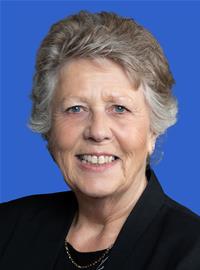


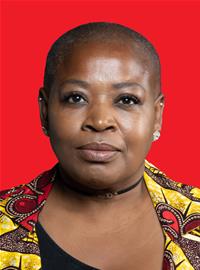

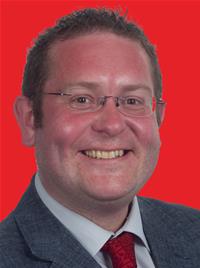
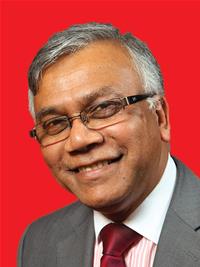



























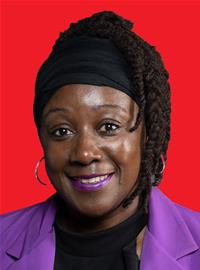


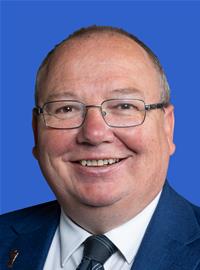
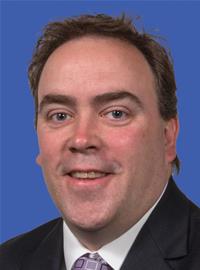
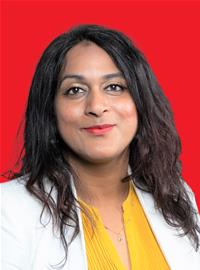


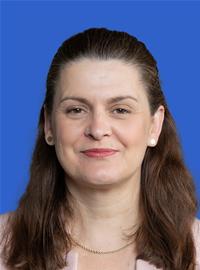


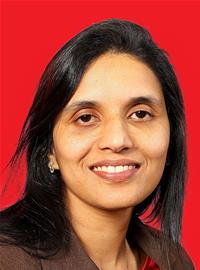


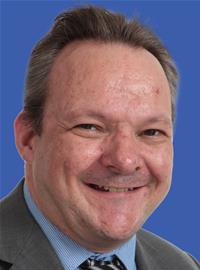

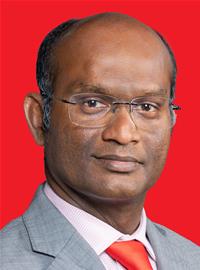


Topics
No topics have been identified for this meeting yet.
Meeting Documents
Agenda
Reports Pack
Additional Documents